

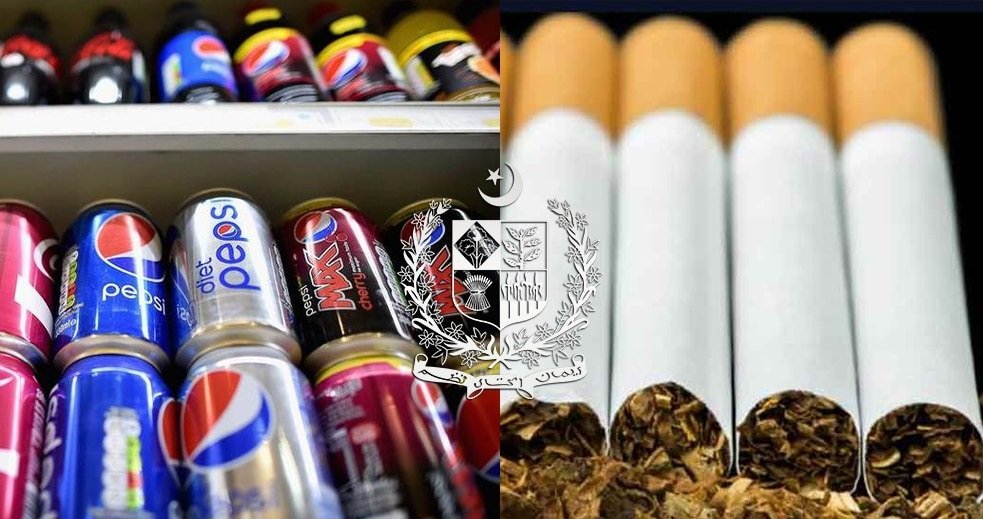

ISLAMABAD: The World Health Organization (WHO) has asked governments to implement a 50% tax-driven price increase on sugary drinks, alcohol, and tobacco over the next decade—its strongest call yet to combat chronic diseases and generate vital public revenue.
Unveiled at the UN Finance for Development conference in Seville, the initiative, titled “3 by 35”, aims to significantly reduce the consumption of products linked to major health issues such as diabetes, heart disease, and certain cancers. At the same time, it seeks to help countries raise funds amid growing public debt and declining development aid.
“Health taxes are one of the most effective tools we have,” said Jeremy Farrar, WHO Assistant Director-General for Health Promotion, Disease Prevention, and Control. “It’s time to act.”
According to WHO estimates, the tax hikes could generate as much as $1 trillion by 2035, citing successful examples from countries like Colombia and South Africa. While the WHO has long supported tobacco taxes, this marks the first time it is setting a unified target for alcohol, sugary drinks, and tobacco alike.
WHO Director-General Dr. Tedros Adhanom Ghebreyesus emphasized that these taxes would not only deter unhealthy consumption but also strengthen national health systems through increased domestic revenue. “This is about adjusting to a new global reality,” he said.
An example presented by WHO health economist Guillermo Sandoval suggested that a $4 product today could see its price rise to $10 by 2035, accounting for inflation and tax increments.
Between 2012 and 2022, nearly 140 countries increased tobacco taxes and prices by more than 50%, setting a precedent for broader action. Sandoval also noted that the WHO is considering tax proposals for ultra-processed foods once an official definition is finalized—though he acknowledged likely resistance from the food and beverage industry.
The initiative is being supported by Bloomberg Philanthropies, the World Bank, and the Organisation for Economic Co-operation and Development (OECD), and includes technical assistance for countries seeking to adopt the policy.
While the campaign gains momentum globally, the United States—which is currently disengaging from the WHO—is notably absent from the Seville conference. Nonetheless, the WHO hopes the “3 by 35” strategy will serve as a blueprint for sustainable public health financing and disease prevention worldwide.
