


Cigarette Production
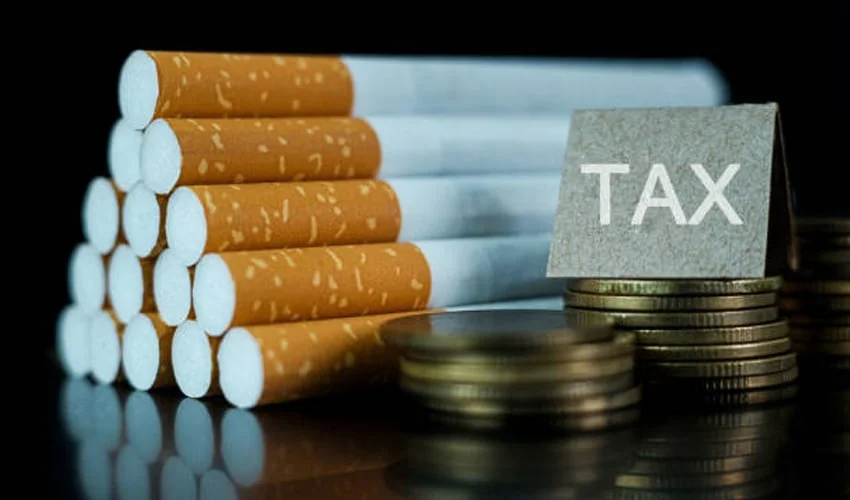
ISLAMABAD: In 2024, Pakistan reached a significant milestone by generating approximately Rs298 billion (around $1.1 billion) in tobacco tax revenue, as detailed in the World Health Organization’s (WHO) Global Tobacco Epidemic Report 2025.
This surge in revenue came as a direct result of aggressive tax policy reforms aimed at reducing tobacco use across the country. These changes also led to a notable decline of over 28% in cigarette production, marking a considerable step forward in Pakistan’s ongoing tobacco control efforts.
The WHO praised Pakistan’s recent tax increases, implemented between 2022 and 2023, as exemplary evidence-based policymaking. Key measures included tripling cigarette taxes, doubling the minimum cigarette price from PKR 63 to PKR 127, and increasing the tax share in retail prices.
These policies caused a significant reduction in legal cigarette manufacturing and contributed to a sharp rise in government revenue. The success of these reforms was supported by close technical collaboration between the Federal Board of Revenue and WHO.
Despite this progress, the WHO report highlights that Pakistan still falls behind in adopting the full range of recommended tobacco control policies. Globally, over 6.1 billion people—more than 75% of the world’s population—benefit from at least one of WHO’s MPOWER measures at best-practice levels.
These measures include monitoring tobacco use, protecting people from tobacco smoke, offering help to quit, warning about the dangers of tobacco, enforcing advertising bans, and raising taxes.
In Pakistan, only the “Raise” component—raising taxes—has been effectively implemented, reversing years of ineffective policies. Previous reforms, such as the introduction of a third tax tier in 2017 that lowered taxes on cheaper cigarettes, backfired badly, causing the government to lose an estimated PKR 42.4 billion (approximately $353 million) in 2018 alone.
However, renewed political determination and WHO’s technical guidance helped the government abandon this regressive policy. The Minister of Finance publicly credited WHO during the 2023 budget speech for aiding in resisting tobacco industry pressures.
Nevertheless, Pakistan’s performance remains insufficient in other vital areas. While 110 countries have implemented graphic health warnings on tobacco packaging at best-practice levels, Pakistan has yet to meet the minimum standards regarding the size, placement, or imagery of such warnings.
Additionally, anti-tobacco mass media campaigns, which are essential for preventing youth smoking and encouraging cessation, have not been rolled out effectively in Pakistan.
Comparatively, South Asian neighbors like India, Bangladesh, and Sri Lanka have made more progress in these domains. India mandates graphic warnings covering 85% of cigarette packs and has banned most tobacco advertising. Sri Lanka has implemented plain packaging laws, while Bangladesh has strengthened enforcement and public education efforts.
Emerging tobacco products such as e-cigarettes and nicotine pouches present additional challenges. Despite WHO warnings about their aggressive marketing to youth, Pakistan has no regulatory framework for these products.
Globally, 133 countries regulate electronic nicotine delivery systems (ENDS), and 42 of them have outright bans, but Pakistan remains without clear legislation.
Globally, only four countries—Brazil, Turkey, Mauritius, and the Netherlands—have fully implemented all five MPOWER strategies at best-practice levels. Since the MPOWER initiative began in 2007, an estimated 300 million fewer people smoke today compared to what was projected.
WHO Director-General Dr. Tedros Adhanom Ghebreyesus emphasized the need for comprehensive tobacco control: “Raising tobacco taxes works — it saves lives and raises revenue. But countries must also act on all other fronts, from health warnings to smoke-free laws and education campaigns.”
The WHO’s 2025 report makes it clear that while Pakistan’s recent tax reforms provide a promising blueprint, the country still faces a long road ahead. Without stronger legislation on packaging, advertising restrictions, public education, and support for quitting tobacco, Pakistan remains vulnerable to the tobacco industry’s evolving tactics, and the health of its population remains at risk.
