


Deadly Strikes
The conflict between Israel and Iran intensified late Saturday as both sides launched new waves of attacks against each other, heightening global fears of a broader Middle Eastern war. The escalation comes after Israel expanded its military offensive, including a significant strike on Iran’s South Pars gas field — the largest in the world — marking a shift toward targeting critical infrastructure.
In response to the Israeli strikes, Iran retaliated by launching missiles and drones toward Israeli territory. Israeli officials confirmed they were actively intercepting incoming Iranian projectiles while simultaneously targeting military assets in Tehran. Iranian state media confirmed that Iranian forces had responded with their own barrage.
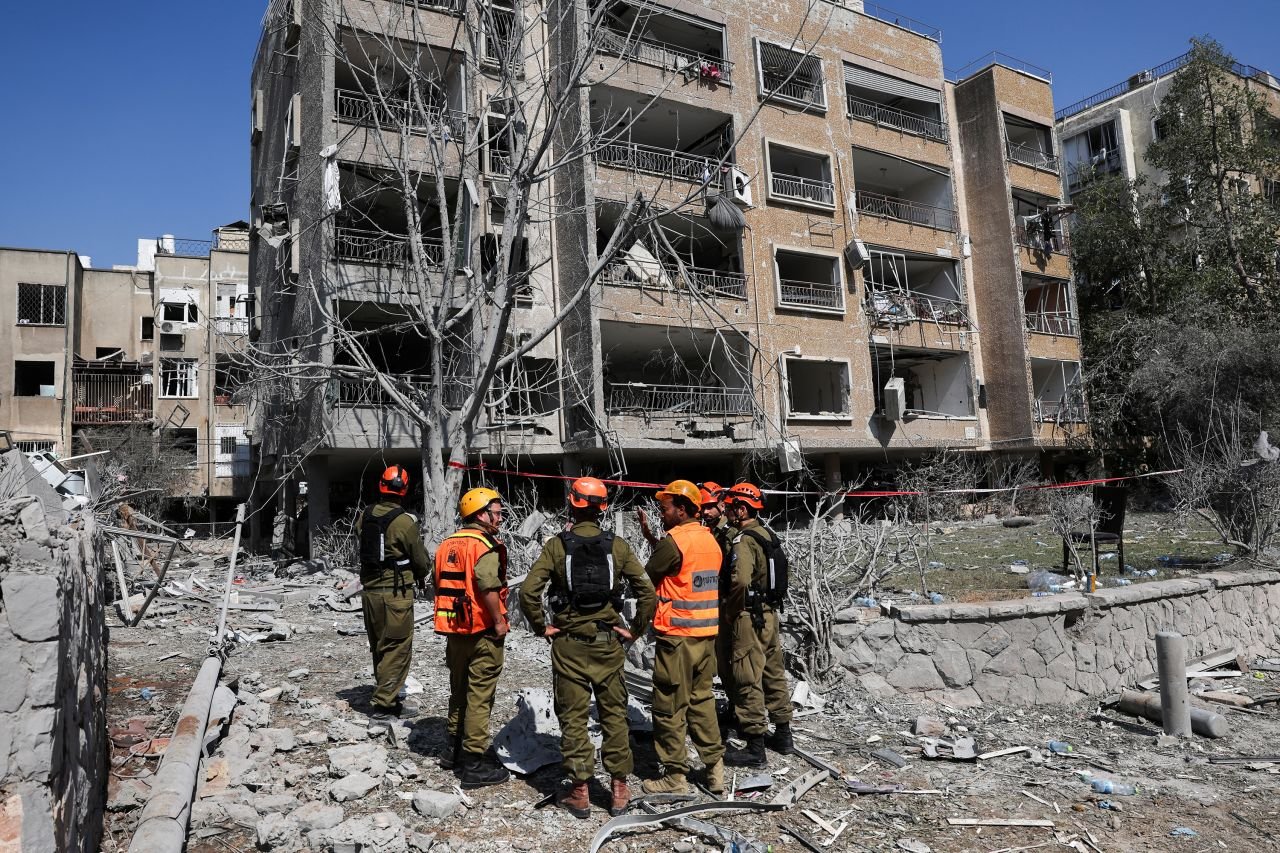
The skies over Jerusalem lit up with visible projectiles late Saturday night, although no air raid sirens sounded in the capital. Sirens did ring in Haifa, a city in northern Israel. The Israeli ambulance service reported 14 injuries, including one person critically wounded after a missile strike on a residential building. Local media claimed that at least one person was killed in the attack.
In a sharp diplomatic setback, Iran called off nuclear talks with the United States, which had been scheduled for Sunday in Oman. These discussions were seen by Washington as the last viable path to halting Israeli aggression.
Iranian Foreign Minister Abbas Araqchi stated that meaningful dialogue was impossible while Iran continued to suffer from what he called “barbarous” Israeli attacks.
Meanwhile, Israeli Prime Minister Benjamin Netanyahu vowed further escalation, saying that the recent strikes were “nothing compared to what Iran will face in the coming days.” U.S. President Donald Trump also issued a stark warning to Iran, suggesting that harsher consequences could follow but left the door open for de-escalation if Tehran agreed to scale back its nuclear program significantly.
Saturday’s Israeli strike on Iran’s South Pars gas field — located in the Bushehr province — caused a fire and forced a partial suspension of gas production, marking the first apparent attack on Iran’s energy infrastructure.
Oil markets reacted swiftly, with prices surging 9% on Friday over fears of disruption to Gulf energy exports. Iranian military officials, including General Esmail Kosari, indicated that Tehran was reviewing whether to close the Strait of Hormuz — a vital chokepoint for global oil shipments.
Iran reported devastating losses from Israel’s opening day of strikes, with at least 78 people killed. On the second day, another 60 were reportedly killed when an Israeli missile struck a 14-storey residential building in Tehran. Among the dead were 29 children. Iran also claimed responsibility for Friday night’s retaliatory missile strikes that killed three people in Israel.
With Israeli officials warning that the military campaign could last for weeks and Netanyahu publicly urging Iranian citizens to oppose their government, concerns are growing about a prolonged regional conflict. Israeli human rights group B’Tselem criticized the government for choosing war over diplomacy, warning that the escalation jeopardizes regional stability.
Tehran has cautioned that any foreign military bases assisting Israel or helping intercept Iranian missiles could also become targets. However, Iran’s ability to retaliate through its regional proxies appears limited. Prolonged conflicts in Gaza and Lebanon have significantly weakened Tehran’s allies, Hamas and Hezbollah.
Israel has long viewed Iran’s nuclear ambitions as a direct existential threat. Israeli officials maintain that the current bombardment aims to prevent Iran from reaching the final stages of nuclear weapons development. Iran insists its nuclear activities are solely for peaceful purposes.
However, the International Atomic Energy Agency (IAEA) recently reported that Iran is in breach of its commitments under the global non-proliferation treaty, further fueling tensions.
