


Honorariums
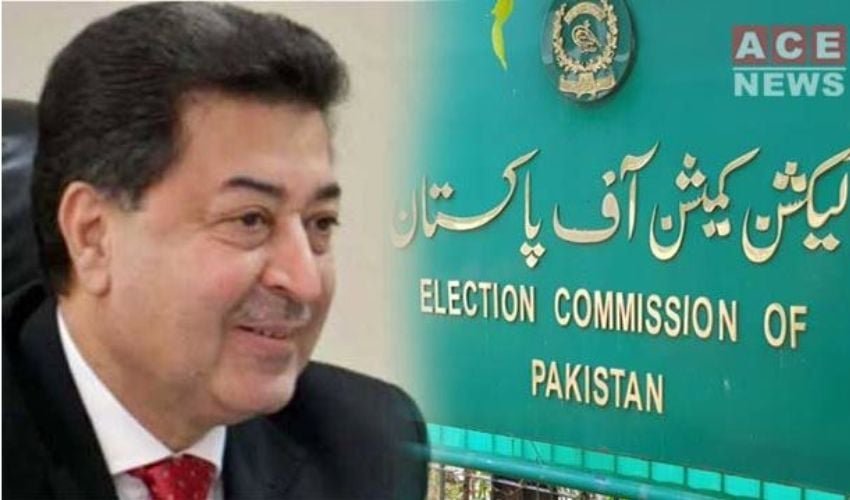
Chief Election Commissioner Sikandar Sultan Raja has approved the distribution of substantial honorariums to employees of the Election Commission of Pakistan (ECP), amounting to crores of rupees over a span of five months.
This revelation, based on official documents, has triggered new concerns regarding the Commission’s financial practices and the transparency of internal reward mechanisms.
The honorariums were disbursed in four separate phases, with payments made during the months of January, February, March, and May 2025. These disbursements were drawn from the ECP’s allocated annual budget, a move that has raised eyebrows among observers who question the justification for such large-scale financial rewards, especially in a time of economic constraints.
According to the details, the honorarium payments varied based on the grade of the employee. Staff members in the lower grades (2 to 9) received honorariums equivalent to four months of their basic salary.
Mid-level employees, categorized under grades 11 to 17, were granted amounts equivalent to three months of their basic salary. Senior officers, those serving above grade 18, received honorariums equal to two months of their basic salary. This structured disbursement approach highlights a tiered incentive system within the ECP.
However, the documents also disclose a notable condition attached to these benefits: employees who had gone on leave before January 30, 2025, were excluded from the honorarium distribution, regardless of their regular service status.
This criterion has led to concerns about fairness and inclusivity in the award process, as it penalized employees for availing legitimate leave.
The revelation of such large-scale payouts has sparked debate, particularly regarding the use of public funds for internal bonuses. While some argue that the honorariums serve as motivation and recognition of hard work, others view the move as excessive, especially in the absence of clearly defined performance-based criteria or public disclosure.
As scrutiny over fiscal accountability in public institutions intensifies, the ECP’s spending decisions may come under further examination in the days ahead.
