

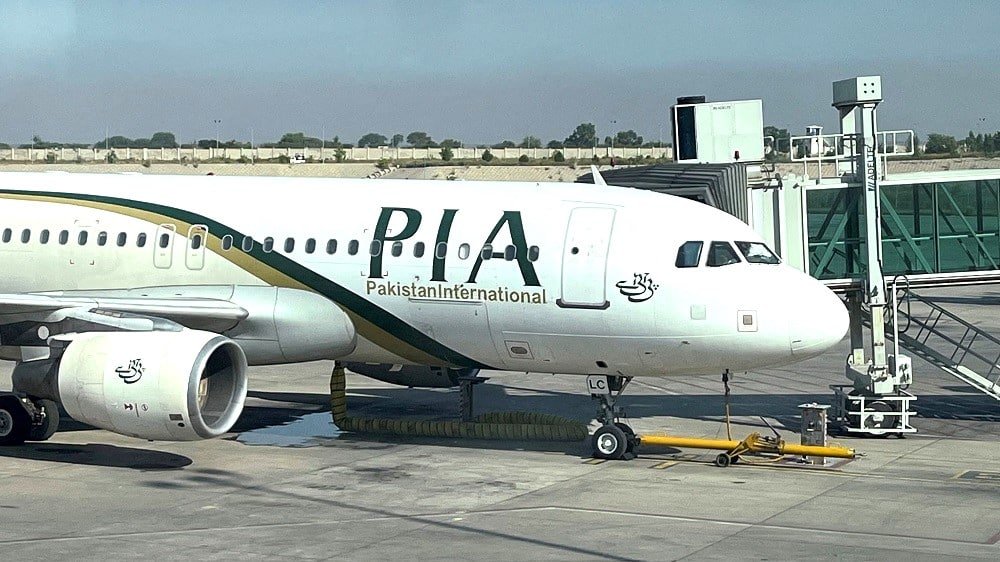

ISLAMABAD: After a failed attempt at privatizing Pakistan International Airlines (PIA), the government has moved its focus to the second phase of privatization, now prioritizing the sale of power distribution companies (Discos) in the first phase. Despite concerns over preparedness, this plan was shared with a delegation of World Bank executive directors visiting Pakistan to discuss the country’s economic reforms and the privatization agenda.
The World Bank delegation, which is currently in Pakistan to follow up on the Country Framework Programme (CPF), was informed that the government’s current privatization strategy involves a phased approach. Minister for Economic Affairs, Ahad Khan Cheema, explained that the government aims to prioritize the sale of Discos in the first phase, while PIA and other state-owned enterprises (SOEs) will be addressed in the second phase.
The government’s initial attempt to privatize PIA was unsuccessful, forcing them to cancel the process. Since then, the government has been working on a new plan for the sale of the national carrier.
The World Bank delegation raised concerns over the sale of Discos, questioning whether challenges like circular debt and the complex structure of the power sector would hinder progress. Additionally, they expressed concerns about the broader issue of SOEs draining public resources.
Cheema clarified that while one-third of SOEs are considered strategic assets, the government plans to privatize the remaining SOEs in phases, targeting the sale of up to 50 SOEs over the next 3 to 4 years.
Circular debt, he noted, remains a critical challenge, with high electricity tariffs and technical losses making energy unaffordable for consumers. However, Cheema assured the delegation that efforts to reduce circular debt were underway.
Pakistan’s power sector faces numerous challenges, including significant losses in line efficiency and the need for full cost recovery. The government’s energy strategy is focusing on renewable energy and addressing line losses as key priorities.
The World Bank delegation also acknowledged Pakistan’s ongoing digital transformation and efforts in youth employment and women’s empowerment. Cheema highlighted the government’s commitment to digitalizing its institutions, while also expanding initiatives for training youth and empowering women.
The visit marks the third time the World Bank has engaged with the government in a short span, reflecting confidence in Pakistan’s ongoing economic reforms and the strong partnership between the two parties. The CPF 2026-2035 aims to enhance Pakistan’s development prospects with continued support from the World Bank.
