

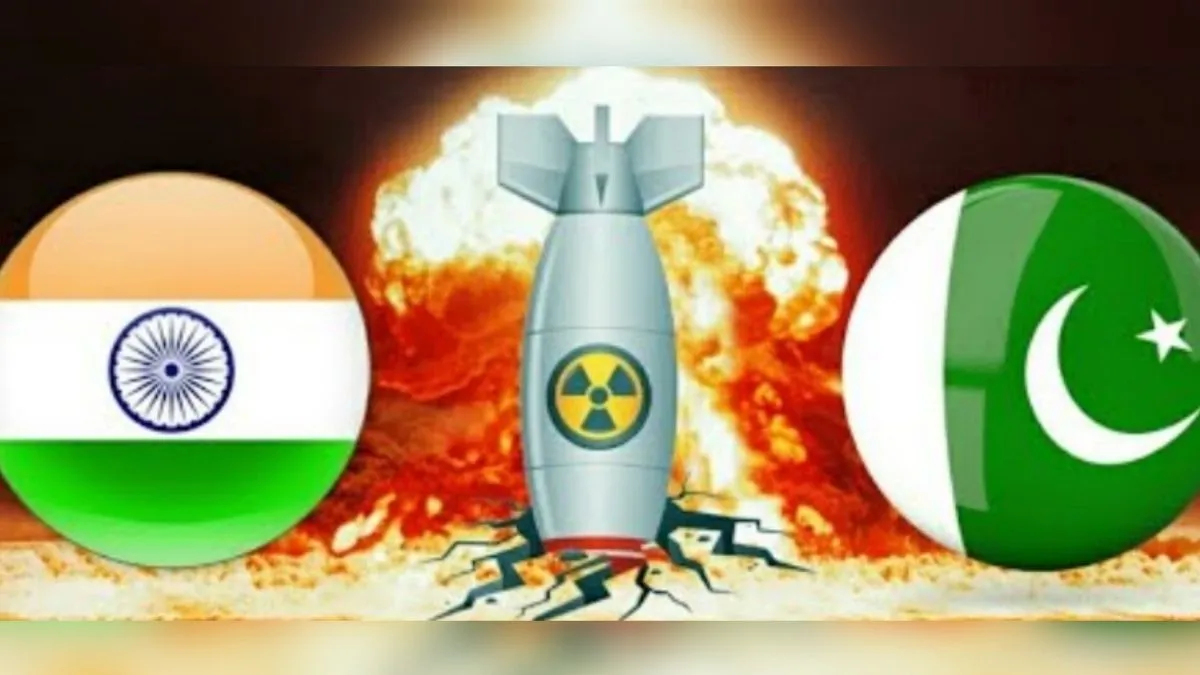

Nuclear Installations List
ISLAMABAD: Pakistan and India have exchanged lists of their nuclear installations and facilities as part of the Agreement on Prohibition of Attacks against Nuclear Installations and Facilities, on Wednesday.
This annual practice, which has been in place for over three decades, is aimed at promoting transparency and confidence-building between the two neighboring countries.
A spokesperson for Pakistan’s Foreign Office confirmed that the exchange was conducted in accordance with the agreement, which was signed on December 31, 1988, and ratified on January 27, 1991.
The agreement obliges both countries to provide each other with an updated list of their nuclear installations and facilities on the first day of every calendar year.
The agreement specifically aims to prevent attacks on nuclear installations and facilities and underscores the commitment of both nations to uphold measures for regional peace and stability.
This initiative has been consistently carried out since 1991, making it a longstanding tradition despite ongoing tensions between the two nations.
Under the terms of the agreement, Pakistan’s list of nuclear installations and facilities was officially handed over to a representative of the Indian High Commission in Islamabad at the Ministry of Foreign Affairs.
In a parallel process, India’s Ministry of External Affairs delivered its corresponding list to a representative of the Pakistan High Commission in New Delhi.
The exchange highlights the importance of maintaining dialogue and mutual understanding in a region often fraught with geopolitical challenges.
While the broader political relationship between Pakistan and India remains strained, such confidence-building measures serve as a reminder of the need for continued cooperation on critical issues like nuclear security.
Experts believe this practice reinforces the idea that even amid hostilities, mechanisms like the 1988 agreement play a crucial role in ensuring stability and preventing escalatory actions in the region.
It remains a significant example of diplomacy at work, demonstrating that structured agreements can foster a level of trust and predictability in sensitive areas like nuclear safety.
