

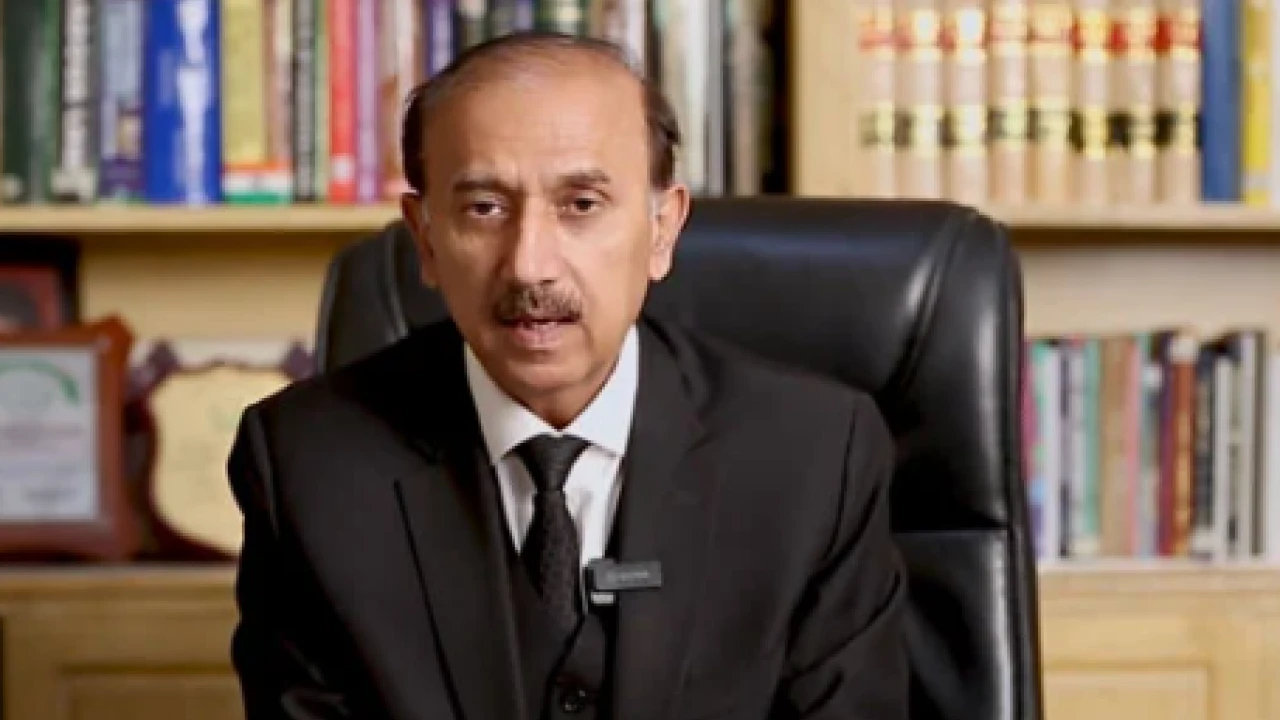

Reports circulating on social media suggest that the Islamabad police have been conducting random mobile phone checks to identify PTI supporters. Shoaib Shaheen, a senior lawyer and PTI leader, has labeled this action “extremely dangerous.” This follows allegations from Khyber Pakhtunkhwa Chief Minister Ali Amin Gandapur, who has accused police of discriminating against Pakhtuns. He raised the matter in a letter to Prime Minister Shehbaz Sharif.
As of November 28, over 1,400 individuals had been arrested by police in Islamabad and Rawalpindi during a crackdown on PTI protesters. The protests, which began on November 27, led to at least four security personnel deaths, including a policeman and three Rangers officials in a vehicle accident. PTI, however, claims that 12 of its supporters died due to alleged police shootings, a claim denied by the government.
Shaheen told reporters outside Rawalpindi’s Adiala Jail that the police were indiscriminately checking CNICs and detaining anyone with a Khyber Pakhtunkhwa ID. He further claimed that mobile phones were being searched, and individuals found with any content linked to PTI leader Imran Khan were arrested. He also noted that even family members visiting detainees were being detained, calling it a dangerous act that could harm national unity.
The Islamabad police spokesperson denied the allegations of phone checks, claiming checkpoints were set up as part of routine security measures. However, two Dawn correspondents confirmed that such checks were happening on the Islamabad Expressway, with police searching for individuals linked to recent PTI protests.
Attock’s District Police Officer (DPO) Dr. Sardar Ghias Gul Khan confirmed that mobile phones were checked during arrests as part of a four-step verification process. He argued that mobile phones were vital in identifying suspects, presenting a case where a person was arrested after evidence from a mobile phone linked him to violent actions.
There have also been accusations that Pakhtuns are being unfairly targeted during the crackdown. Azhar Leghari, a former PTI media member, claimed that Pakhtuns were being profiled based on their ethnicity, with their mobile phones being checked and identity cards scrutinized.
Legal experts, including rights activists Nighat Dad and Ayman Zafar, have criticized the mobile phone checks as unconstitutional, highlighting violations of privacy rights guaranteed under Pakistan’s Constitution and the Prevention of Electronic Crimes Act (PECA) 2016. They argue that the police actions lack legal authority, especially without court warrants, and could set a dangerous precedent for targeting dissent and violating democratic principles.
Activist Imaan Zainab Mazari-Hazir also warned citizens that police had no right to demand access to their mobile phones without a court order and advised refusing such requests at checkpoints.
