


Verdict Reserved
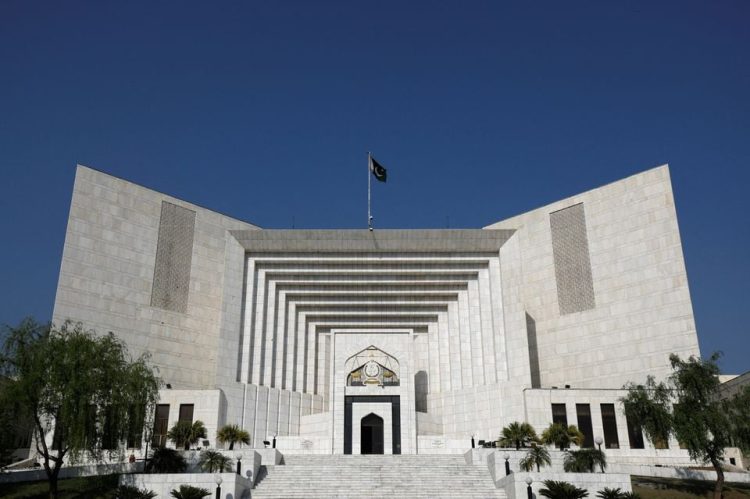
ISLAMABAD: During the hearing of the National Accountability Bureau (NAB) amendments case, the Supreme Court reserved its verdict, allowing a week for further written arguments from the involved parties.
The case revolves around challenges to the amendments made to the NAB Ordinance by the Pakistan Democratic Movement (PDM) government in 2022.
The amendments prompted PTI founder Imran Khan to challenge them in court, arguing that they would essentially eliminate accountability for white-collar crimes committed by public office holders.
In September 2023, the Supreme Court, led by former Chief Justice Umar Ata Bandial, delivered a majority 2-1 verdict overturning the amendments.
This decision mandated that corruption cases closed due to the amendments must be reopened, reinstating accountability for public officials.
In response, the government filed a petition in October 2023, contesting the procedural integrity of the majority judgment and seeking its annulment.
Throughout the hearings, Imran Khan, appearing via video link from Adiala jail, raised concerns about his conditions of imprisonment, alleging solitary confinement.
However, the government submitted evidence, including photographs, detailing the facilities provided to Khan during his incarceration, refuting his claims.
The bench, comprising Chief Justice Qazi Faez Isa and Justices Athar Minallah, Aminuddin Khan, Jamal Khan Mandokhail, and Hasan Azhar Rizvi, reserved the verdict after hearing arguments from all sides.
The government’s submission included documentation of the amenities available to Khan, such as exercise equipment, a separate kitchen, and access to visitors.
During the proceedings, questions arose about the legality and implications of the NAB amendments, with the court scrutinizing the intentions behind their implementation.
Counsel Khawaja Haris, assisting the court, addressed concerns regarding the arrest procedures and the broader scope of NAB’s jurisdiction.
Ultimately, the Supreme Court’s reserved verdict holds significant implications for the accountability landscape in Pakistan, potentially impacting corruption cases against prominent political figures and public office holders.
