
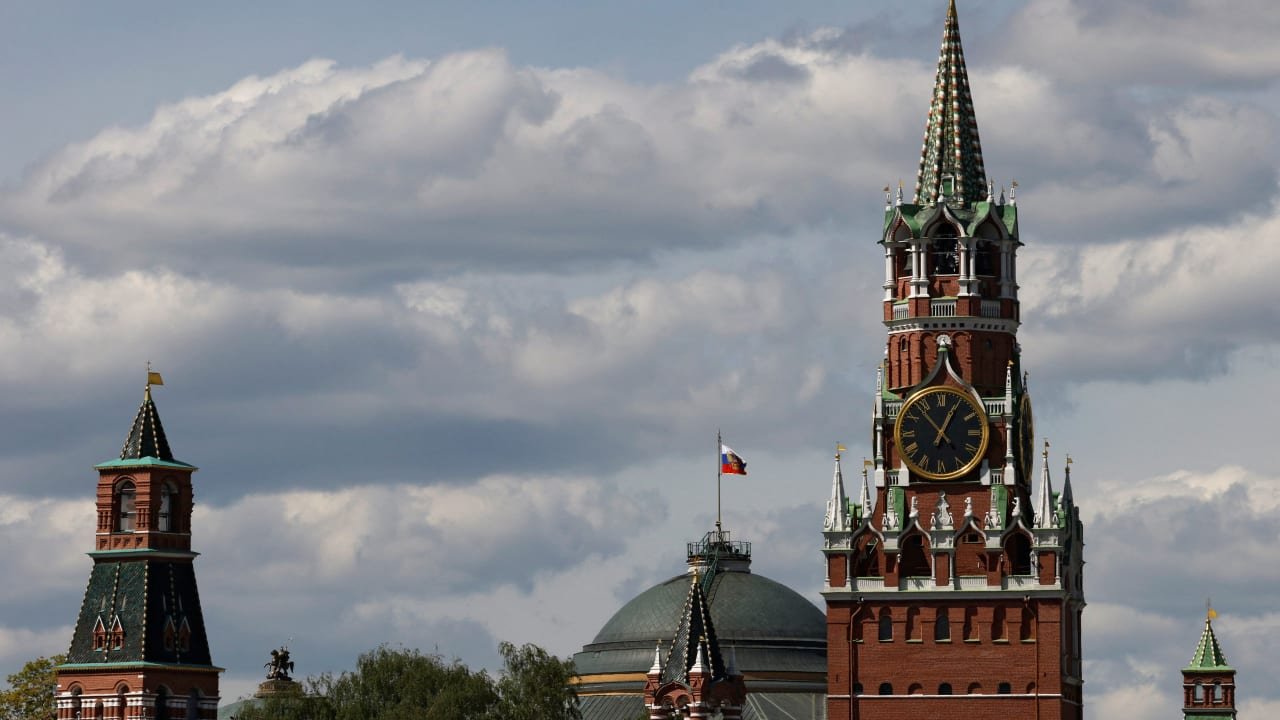

MOSCOW: The Kremlin on Thursday condemned the European Union’s decision to transfer revenue generated from frozen Russian assets to Ukraine, describing the move as illegal and accusing the bloc of effectively taking Russian funds.
The criticism follows an announcement by the European Commission in August that the EU would provide Kyiv with $1.6 billion generated from interest on cash balances linked to frozen Russian central bank assets.
The European Union froze Russian central bank assets under sanctions imposed in response to the war in Ukraine. However, Moscow has consistently challenged Western measures targeting its state assets and disputes the legality of using proceeds connected with them.
Moscow Rejects EU’s Use of Frozen Asset Revenue
The Kremlin said it regarded the transfer of revenue generated by the immobilised assets as unlawful and characterised the action as a form of theft.
The EU measure concerns earnings generated from frozen Russian central bank assets rather than a direct transfer of the underlying assets themselves.
Nevertheless, Moscow rejects the distinction and maintains that revenues arising from Russian assets should not be redirected to Ukraine without Russia’s consent.
The supplied report did not provide details about any additional legal or financial action Moscow might take in response.
EU Says $1.6 Billion Will Go to Kyiv
Meanwhile, the European Commission said in August that it planned to transfer $1.6 billion to Ukraine using interest generated from cash balances associated with the frozen Russian assets.
The measure forms part of the EU’s continuing financial support for Kyiv during the war.
Furthermore, the dispute highlights continuing disagreements between Russia and Western governments over the treatment of Russian sovereign assets immobilised under sanctions.
While the EU has moved to use revenues generated by those assets to support Ukraine, Moscow continues to challenge such measures.
The latest Kremlin statement therefore signals that the issue remains a significant financial and legal point of contention between Russia and the European Union.

