


The night sky is set to dazzle in 2026 with some of the year’s most spectacular astronomical events.
Astronomers can predict eclipses, meteor showers, and planetary alignments decades in advance. This predictability makes skywatching easier than ever.
Total Solar Eclipse: August 12, 2026
The first highlight is a total solar eclipse on August 12. The moon will fully block the sun across parts of Greenland, Iceland, Spain, Russia, and a small section of Portugal.
Elsewhere in Europe, Africa, North America, and the surrounding oceans, observers can witness a partial eclipse, covering about 90% of the sun.
Traveling to dark, unobstructed areas is key. Locations like Iceland’s Westfjords, Snæfellsnes Peninsula, and Reykjavík area offer optimal viewing conditions. Látrabjarg cliffs provide the longest totality on land.
Blood Moon: March 3, 2026
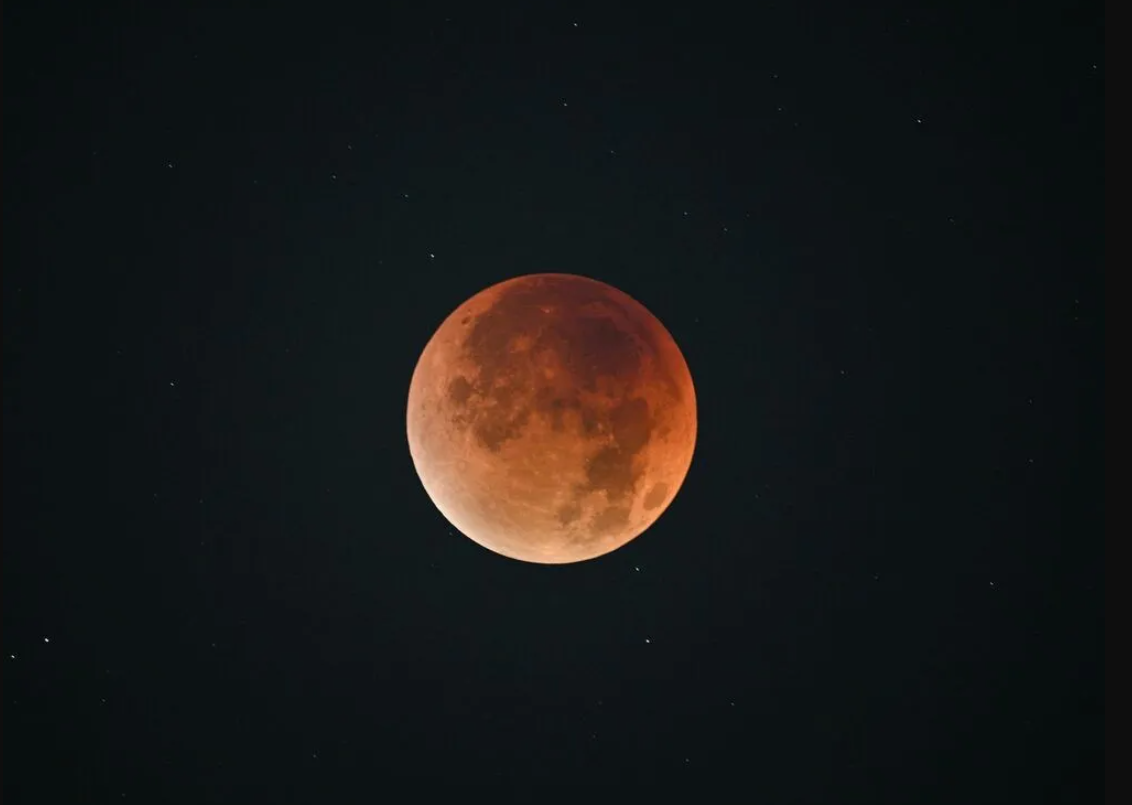
The year also features a total lunar eclipse, known as a Blood Moon, on March 3.
During this eclipse, Earth will fully shadow the moon, giving it a red or orange hue. Best visibility occurs in East Asia, Australia, Pacific Islands, and the Americas.
North Americans should look west from Northern California to Alaska. Observers in Asia and Australia can see the full eclipse just after sunset.
Partial Lunar Eclipse: August 27-28, 2026
A partial lunar eclipse will follow on August 27-28. Approximately 96% of the moon will be covered. Atmospheric conditions may shift the color from deep rust to bright copper.
This eclipse offers another excellent opportunity for casual stargazers and photographers alike.
Annular Solar Eclipse: February 17, 2026
On February 17, an annular solar eclipse occurs near Antarctica.
During this event, the moon partially covers the sun, creating a “ring of fire” effect. Observers on cruises or in remote locations can enjoy a stunning spectacle.
Planet Parades: February & Spring 2026
Planet parades, or alignments, occur throughout the year.
In late February, six planets plus the moon will line up across the sky. Venus, Mercury, Jupiter, and Mars are visible to the naked eye, while Uranus and Neptune require telescopes.
Spring features another parade with five planets in formation. These alignments last for days, making them ideal for multiple viewing opportunities.
Meteor Showers: Perseids and Geminids
Summer brings the Perseid meteor shower, peaking from mid-July to late August. Avoid light-polluted areas for the best views.
The Geminid meteor shower peaks on December 14, with up to 120 meteors per hour possible in dark skies. Evening viewing is convenient, no all-nighter required.
Space Missions: Artemis II Lunar Mission
Astronomy enthusiasts can also watch Artemis II, NASA’s upcoming lunar mission.
Scheduled between February and April 2026, four astronauts, including a Canadian, will orbit the moon. Launch occurs from Kennedy Space Center, Florida, with public viewing packages available.
Skywatching Tips for 2026
-
Choose Dark Locations: National parks or dark-sky preserves are ideal.
-
Avoid Light Pollution: Turn off phones to protect night vision.
-
Check Local Astronomy Events: Clubs and science institutions often organize star parties.
-
Plan Early: Popular eclipses, especially in Iceland, may sell out quickly.
Conclusion
2026 offers eclipses, Blood Moons, meteor showers, and planetary parades for skywatchers worldwide.
Observers should prepare in advance, choose dark locations, and track local timing for each event. With careful planning, anyone can enjoy these rare celestial spectacles.
