

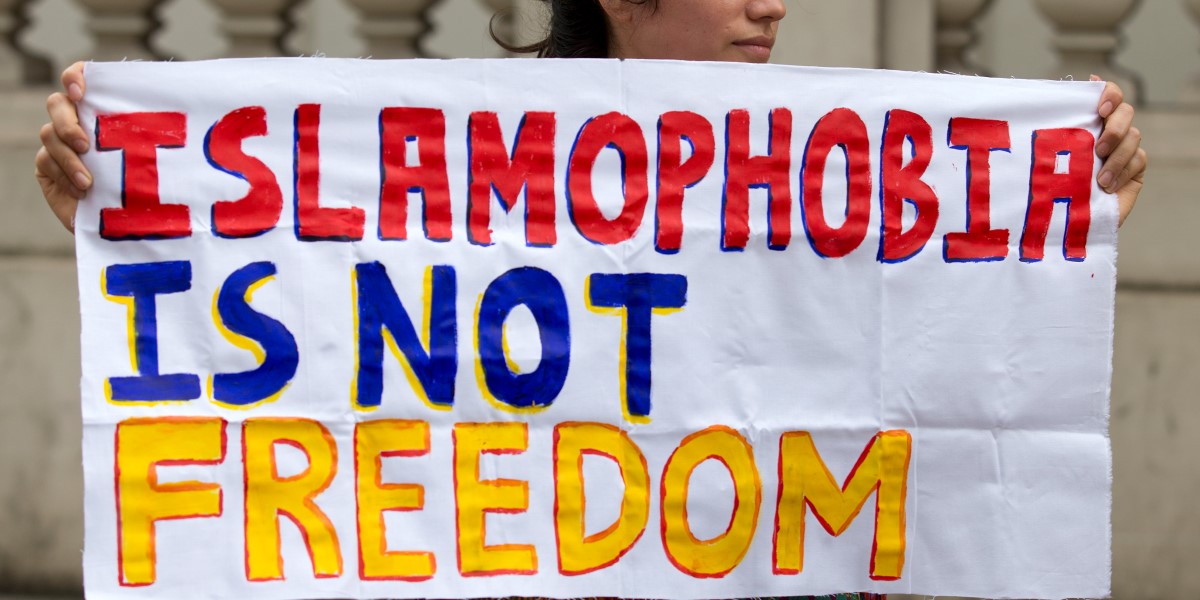

15 ways to curb Islamophobia
ISLAMABAD: Islamophobia is a form of prejudice or discrimination against Islam or Muslims. It can be expressed in a number of ways, including verbal abuse, physical assault, and discrimination in employment or housing. Islamophobia can have a devastating impact on the lives of Muslims, leading to fear, isolation, and even violence.
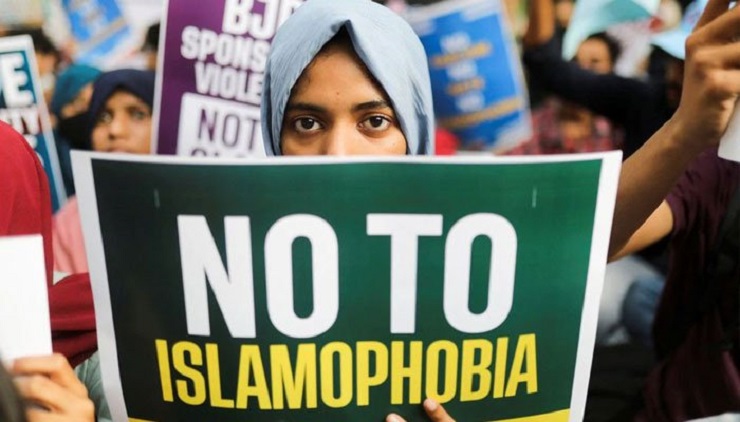
There are a number of things that can be done to overcome Islamophobia in the West. These include:
- Education: One of the best ways to combat Islamophobia is to educate people about Islam and Muslims. This can be done through school programs, community events, and online resources. By learning about Islam, people can come to understand that it is a peaceful religion that teaches tolerance and compassion.
- Interfaith dialogue: Another important way to overcome Islamophobia is to foster interfaith dialogue. This involves building relationships and understanding between people of different faiths. When people get to know each other, they are less likely to fear or discriminate against each other.
- Challenging stereotypes: It is also important to challenge stereotypes about Islam and Muslims. These stereotypes are often based on misinformation and prejudice. By challenging stereotypes, we can help to create a more accurate and positive image of Islam and Muslims.
- Standing up against discrimination: When we see Islamophobia, it is important to speak up and stand up against it. This can be done by challenging discriminatory comments and actions, and by supporting organizations that are working to combat Islamophobia.
Overcoming Islamophobia is a complex challenge, but it is one that is worth fighting for. By working together, we can create a more inclusive and tolerant society where everyone feels safe and respected, regardless of their religion or beliefs.
Human trafficking is a complex issue with no easy solutions. However, there are a number of things that can be done to overcome it in the future. These include:
- Raising awareness: One of the most important things that can be done to combat human trafficking is to raise awareness of the issue. People need to know what human trafficking is, how it works, and who is at risk. This can be done through education, public awareness campaigns, and media coverage.
- Strengthening laws and enforcement: Strong laws and effective enforcement are essential to combating human trafficking. Governments need to enact laws that criminalize human trafficking and provide for the protection of victims. They also need to invest in law enforcement agencies so that they have the resources to investigate and prosecute trafficking cases.
- Supporting victims: Victims of human trafficking need access to support services, such as housing, food, medical care, and counseling. These services can help victims recover from their experiences and rebuild their lives.
- Addressing the root causes: Human trafficking is often rooted in poverty, inequality, and lack of opportunity. Addressing these root causes can help to prevent trafficking from happening in the first place.
By working together, we can overcome human trafficking and create a world where everyone is free from exploitation.
Here are some specific actions that you can take to help overcome human trafficking:
- Learn about human trafficking: The more you know about the issue, the better equipped you will be to help. There are many resources available online and in libraries.
- Talk to your friends and family about human trafficking: The more people who are aware of the issue, the more likely we are to be able to prevent it.
- Support organizations that are working to combat human trafficking: There are many organizations working to end human trafficking. You can donate your time, money, or skills to help them in their work.
- Report suspected cases of human trafficking: If you suspect that someone is being trafficked, report it to the authorities. You can also call the National Human Trafficking Hotline at 1-888-373-7888.
By taking these actions, we can make a difference in the fight against human trafficking.
Causes of Islamophobia in western countries
Islamophobia, or the fear, prejudice, or discrimination against Islam and Muslims, is a complex issue with multiple causes in Western countries. While it’s important to recognize that Islamophobia is not universally present, the following factors contribute to its existence:
Misinformation and Stereotyping: Lack of accurate knowledge about Islam and Muslims often leads to misconceptions, stereotypes, and generalizations. Media portrayal, biased reporting, and limited personal interactions can reinforce negative stereotypes, portraying Islam and Muslims as inherently violent, oppressive, or incompatible with Western values.
Extremist Acts and Terrorism: Acts of terrorism carried out by individuals or groups who claim to be motivated by Islam have contributed to the negative perception of Islam and Muslims. These acts receive significant media attention, which can reinforce existing biases and create a link between Islam and violence in the public consciousness.
Political Factors: Political events, such as conflicts involving Muslim-majority countries, wars, and geopolitical tensions, can fuel Islamophobia. Public discourse, political rhetoric, and policies targeting Muslims or communities perceived as Muslim can contribute to a climate of fear and hostility.
Cultural Differences and Integration Challenges: Cultural differences between Muslim communities and the majority culture can sometimes create tensions. Issues related to dress, religious practices, language, and social norms can be perceived as threats to national identity or values. Difficulties in the integration process can exacerbate these tensions.
Economic Insecurity and Social Factors: Economic anxieties and social insecurities can contribute to the scapegoating of minority groups, including Muslims. Muslims, particularly those of immigrant backgrounds, may face discrimination in employment, housing, and education, leading to marginalization and a sense of alienation.
Lack of Interfaith Dialogue and Understanding: Limited opportunities for meaningful interfaith dialogue and understanding can perpetuate stereotypes and divisions. Increased interaction, education, and exposure to diverse perspectives can foster greater empathy and reduce prejudice.
Islamophobic Discourse: Certain individuals, media outlets, and extremist groups propagate Islamophobic narratives, contributing to the spread of fear, hostility, and discrimination. This can be done through hate speech, online platforms, or extremist ideologies. In recent years, there have been instances of hate crimes, vandalism of religious institutions, verbal abuse, and discrimination targeting religious minorities. These incidents are not limited to a single religion but affect various communities, including Muslims, Jews, Sikhs, and others.
It’s crucial to address these causes through education, interfaith dialogue, media literacy, policy interventions, and community engagement to promote tolerance, understanding, and acceptance of diversity.
End
