

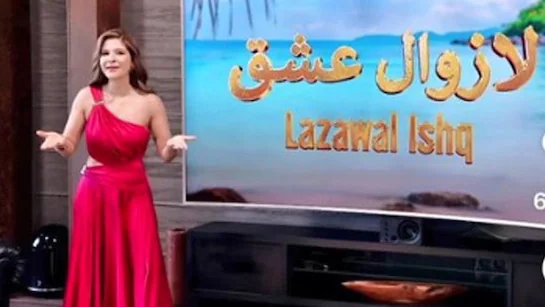

YouTube has taken down the popular Urdu reality show Lazawal Ishq in Pakistan, sparking debate over digital content and cultural boundaries. The show, also known as Eternal Love, had already aired around 50 episodes before becoming inaccessible to viewers inside the country. However, it remains available to audiences in other regions.
The producers confirmed the restriction through a post on the show’s official Instagram page. They stated that the programme might not be watchable in Pakistan due to “political reasons.” The team also advised Pakistani viewers to use virtual private networks, or VPNs, to continue watching the series online.
Reality Show That Challenged Local Norms
Lazawal Ishq marked a milestone as Pakistan’s first Urdu-language reality dating show. Its format closely resembled the British hit Love Island. The show placed unmarried men and women together in a villa, where they were encouraged to form romantic connections and test compatibility over an extended series of episodes.
The trailer featured actor and host Ayesha Omer entering a luxury villa dressed in white, greeting contestants who were ready to find love. The concept pushed boundaries rarely explored in Pakistan’s mainstream entertainment industry.
Despite the controversy, the show gained strong online traction. Its debut trailer crossed two million views, highlighting strong interest among younger, digitally connected viewers.
Complaints, Petitions, and Regulatory Gaps
The show also faced backlash from conservative circles. A formal petition was filed with the Pakistan Electronic Media Regulatory Authority (Pemra). The petition argued that the programme violated religious and social values by portraying unmarried couples living together.
Pemra acknowledged receiving numerous complaints. However, the regulator clarified that it does not oversee digital platforms like YouTube. It advised complainants to approach the Pakistan Telecommunication Authority, which monitors online content. The PTA has not issued any public response so far.
YouTube also did not immediately comment on the reasons behind the restriction.
The episode highlights the growing tension between evolving digital content trends and traditional oversight in Pakistan’s media landscape.
