

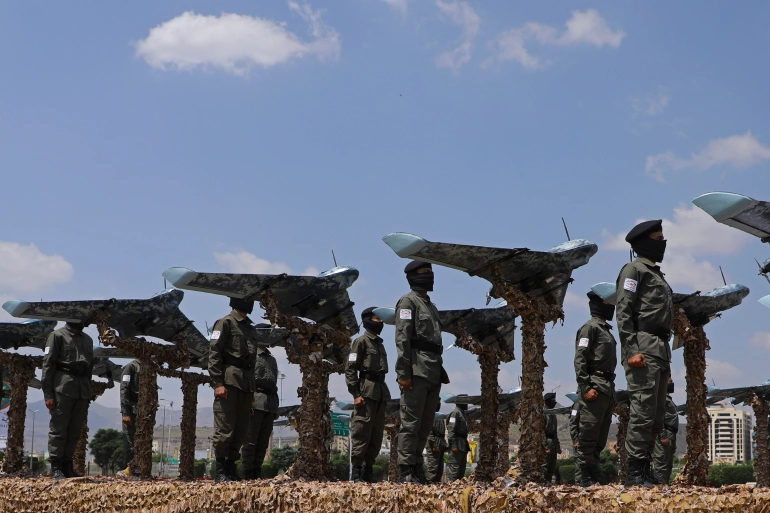

The United Nations has reported that negotiations between Yemen’s warring parties to extend a national truce have failed.
Following the expiration of the deadline for extending the agreement on October 2, the UN envoy to Yemen issued a statement urging all parties to avoid provocative actions while the negotiations are ongoing.
The UN-backed cease-fire first went into place in April, which inspired optimism for a protracted lull in hostilities.
When the Houthis, who are backed by Iran, took control of Sanaa and parts of northern Yemen in 2014 and drove the government into exile, the terrible conflict got under way. United Arab Emirates and a coalition led by Saudi Arabia intervened in 2015 in an effort to reinstate the country’s internationally recognized government.
UN Envoy for Yemen Hans Grundberg issued a statement expressing his “regret that an agreement has not today been reached.” He commended the internationally recognized administration for “engaging positively” in negotiations to extend the cease-fire but avoided naming the Houthis in his praise for their refusal to accept his proposal. He urged decision-makers to keep attempting to come to a consensus.
He said: “I implore them to uphold their responsibility to the Yemeni people to pursue every path for peace.”
The Houthis were held accountable by Yemen’s internationally recognised government, according to the foreign ministry. Ahmed Awad Bin Mubarak claimed that the Houthis had thwarted the truce and acted against the interests of the Yemeni people in statements made to the pan-Arab satellite channel Al-Hadath.
He remarked, “The government made several compromises to maintain the cease-fire.
The Houthis did not immediately respond to a request for comment, but on Saturday they claimed that negotiations for a cease-fire had come to a “dead-end” and that they were still pushing for the full opening of the Sanaa airport and the easing of the embargo on the vital port city of Hodeida.
