

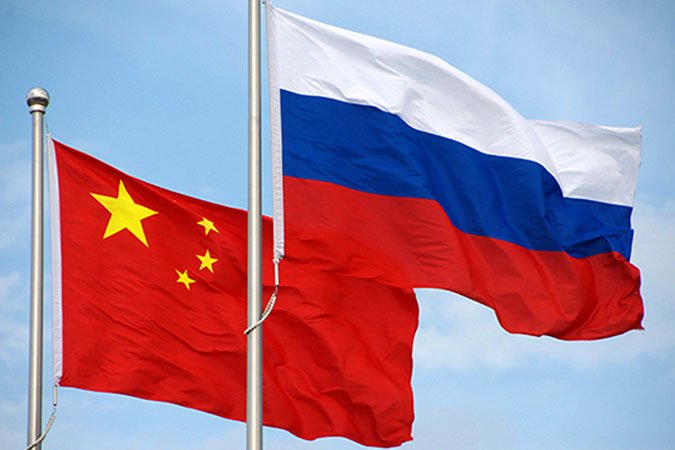

Chinese President Xi Jinping landed in Moscow on Wednesday, marking the start of a pivotal three-day visit aimed at reinforcing his strategic partnership with Russian President Vladimir Putin. The trip coincides with Russia’s Victory Day celebrations, where Xi will be the guest of honor at Friday’s military parade commemorating the 80th anniversary of the defeat of Nazi Germany.
Xi’s visit underscores the deepening ties between Beijing and Moscow, which declared a “no-limits partnership” just weeks before Russia launched its invasion of Ukraine in February 2022. Since then, their growing military and economic cooperation has raised alarms in Western capitals.
In a message published in Rossiyskaya Gazeta, Xi praised the resilience of China-Russia relations and urged other nations not to interfere. He called for both countries to resist external pressures and continue advancing a multipolar world order.
The Kremlin, touting bilateral ties as being at their “highest point,” confirmed that Xi and Putin will hold one-on-one talks to discuss the war in Ukraine and Russia’s deteriorating relations with the United States. China’s Foreign Ministry added that the leaders would also aim to rally the Global South and push back against “unilateralism and bullying.”
Xi’s visit comes amid escalating U.S.-China tensions over trade and global influence. Former U.S. President Donald Trump has also attempted to position himself as a potential mediator in the Ukraine conflict.
Putin has ordered a three-day ceasefire along the front lines in Ukraine to align with Victory Day festivities. However, Kyiv has dismissed this as a ploy to secure the event and instead called for a broader, month-long truce. Ukraine has also voiced strong opposition to the participation of foreign troops in the Moscow parade, calling it a move that helps Russia “whitewash war crimes.”
China has sent 102 troops — the largest foreign contingent among 13 countries participating in the parade. The presence of foreign leaders, including some from partially recognized states, has drawn further criticism from Ukraine, which noted that several countries had requested assurances about their safety while attending.
Though China maintains it is neutral in the conflict, Western leaders accuse Beijing of offering critical support to Moscow. Ukrainian President Volodymyr Zelensky recently accused China of indirectly backing Russia’s war effort, including allowing its citizens to fight alongside Russian troops — a claim Beijing has denied.
Despite the geopolitical controversy, China has emerged as a key economic lifeline for Russia, filling market gaps left by departing Western firms and becoming Moscow’s top trade partner. However, Russia remains only China’s fifth-largest trading partner, with its value to Beijing rooted mainly in energy exports.
Putin continues to link his war in Ukraine to Russia’s World War II legacy, portraying it as a struggle against modern fascism. Victory Day remains Russia’s most significant public holiday, serving as both a remembrance of past sacrifices and a rallying cry for national unity.
