


Elvis Nghobo, a 34-year-old resident of Cameroon’s capital, tried four times to enter professional schools but failed each attempt. Frustrated by what he calls a corrupt education system favoring elites, Nghobo now sells food in a busy market in Yaoundé. As the country heads toward Sunday’s presidential election, he says he will not cast his vote.
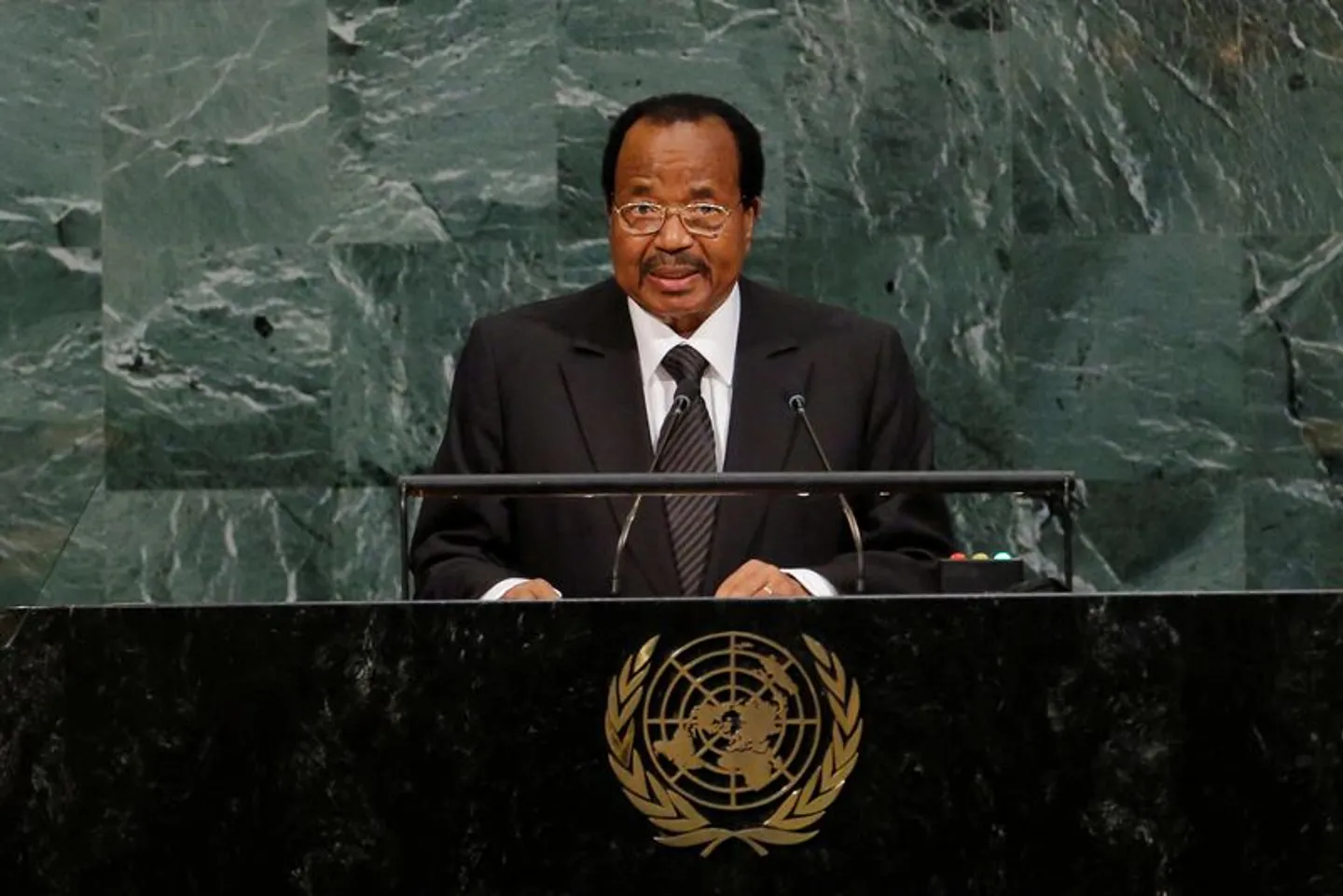
Nghobo believes the result is already determined in favor of Paul Biya, the 92-year-old president who has ruled Cameroon for his entire life. “He is already too old to govern, and it’s boring knowing only him as president,” Nghobo said.
A Youth Disconnected from Power
His disillusionment mirrors the sentiment of millions of young Cameroonians, whose median age is just 18. Many feel alienated from the country’s ageing leadership, which they believe has failed to deliver jobs and opportunities.
Biya, Africa’s longest-serving president, is seeking an eighth term in a single-round election where 8.2 million voters are registered. He first took power in 1982, following the resignation of Ahmadou Ahidjo, and has won seven subsequent elections. Since independence in 1960, Cameroon has had only two leaders.
In announcing his candidacy, Biya said, “In the face of an increasingly difficult international environment, our challenges are pressing. I cannot shirk my mission.” However, he provided no clear policy direction.
Unemployment and Inequality Persist
Despite Cameroon’s oil wealth and moderate economic growth, its youth unemployment crisis continues. According to World Bank data, the unemployment rate stands at 3.5 percent, yet 57 percent of workers aged 18–35 remain trapped in informal employment.
Many young citizens complain that economic gains favor the elite, leaving the rest struggling to survive in what locals describe as “belly politics”—a system where loyalty is rewarded with resources, while dissent is punished.
Security Challenges Compound the Crisis
Cameroon also faces multiple security threats. In the western regions, separatist groups continue their armed struggle against the French-speaking majority government, demanding independence for English-speaking areas. In the north, Boko Haram militants carry out cross-border attacks from Nigeria, destabilizing border communities.
Opposition Faces Tight Restrictions
Biya faces nine opposition candidates, including Issa Tchiroma Bakary, a former employment minister, and Bello Bouba Maigari, a former tourism minister. However, prominent opposition leader Maurice Kamto, who finished second in 2018 with 14 percent of votes, has been barred from running.
The electoral commission claimed Kamto’s party supported another candidate, a charge his lawyers deny. Kamto was arrested after the 2018 election for demanding fair results, a move widely condemned by rights groups.
As the vote nears, many young Cameroonians, like Nghobo, feel disillusioned and excluded, seeing little hope for change under a leader who has ruled for more than four decades.
About The Truth International
The Truth International (TTI), headquartered in Islamabad, is a dynamic private organization engaged in research, analysis, and media production. TTI undertakes diverse research projects and operates a comprehensive media network that includes a fortnightly magazine, an interactive news website, an informative YouTube channel, and active social media pages across all major platforms.
Stay informed, stay engaged — stay connected with The Truth International
