

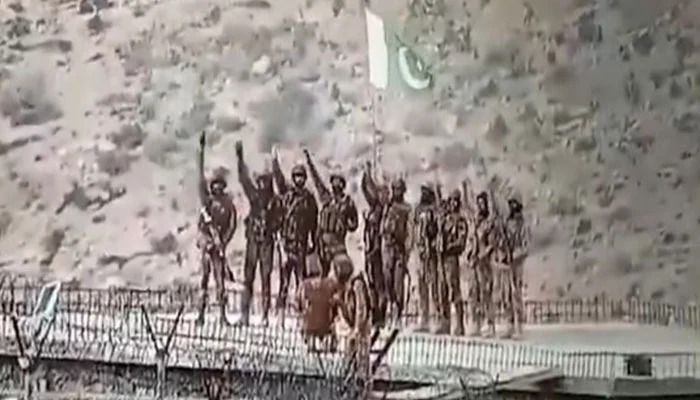

Rising violence along the Pakistan-Afghanistan border has triggered global concern. Major world powers are urging restraint and immediate de-escalation. Cross-border attacks have intensified in recent days. Diplomatic efforts are now underway to prevent further conflict.
Pakistan confirmed a large-scale military response. The operation followed what officials described as unprovoked aggression by the Afghan Taliban regime. The situation remains tense. International leaders are closely monitoring developments.
Pakistan Launches Operation Ghazab lil-Haq After Border Clashes
Pakistan launched Operation Ghazab lil-Haq after clashes erupted along the frontier. Federal Minister for Information Atta Tarar said security forces delivered a strong and comprehensive response. He confirmed that 133 militants were killed. More than 200 others were injured during the operation.
Security sources stated that several key Afghan Taliban posts were destroyed. Pakistan’s armed forces carried out targeted air operations. Officials said the strikes aimed to safeguard national sovereignty and territorial integrity.
According to security officials, Afghan Taliban fighters raised white flags at multiple positions after Pakistan’s response. The development signaled a possible halt in immediate hostilities. However, tensions remain high along the border.
The clashes began after the Taliban launched what it called retaliatory strikes on Pakistani installations. Islamabad rejected that claim. It described the Taliban’s actions as unprovoked aggression. Officials stressed that Pakistan would respond decisively to protect its territory.
China, Russia and Iran Call for Immediate Ceasefire
Global powers have called for urgent restraint. China expressed deep concern over the escalation. Foreign ministry spokesperson Mao Ning said Beijing was mediating through its own diplomatic channels. She added that China was willing to play a constructive role in easing tensions.
Russia also urged both sides to stop attacks immediately. Moscow called for differences to be resolved through diplomacy. Russian officials said they would consider offering mediation if both parties formally requested it. The message was clear. Military escalation must end.
Iran offered to facilitate dialogue between the two neighbors. Iranian Foreign Minister Abbas Araghchi said Tehran stands ready to assist in promoting understanding and cooperation. Iran emphasized the importance of regional stability.
United Nations, Turkey and Malaysia Stress Civilian Protection
The United Nations is closely monitoring the situation. Secretary-General Antonio Guterres expressed deep concern over the violence. His spokesperson said both countries must fulfill their obligations under international law. Protecting civilians must remain a priority.
Turkey has also engaged diplomatically. Pakistan’s Deputy Prime Minister and Foreign Minister Ishaq Dar held a phone call with Turkish Foreign Minister Hakan Fidan. Both leaders discussed regional developments. They emphasized peace and stability. They agreed to stay closely engaged as the situation evolves.
Malaysia voiced concern as well. Prime Minister Anwar Ibrahim expressed regret over the loss of life on both sides. He urged maximum restraint. He called for an immediate halt to military operations. He also stressed that reconciliation is only possible through dialogue.
The international community continues to press for calm. Diplomacy is being prioritized over further confrontation. With multiple powers offering mediation, the focus now shifts to whether Islamabad and Kabul will choose negotiation over escalation.
