

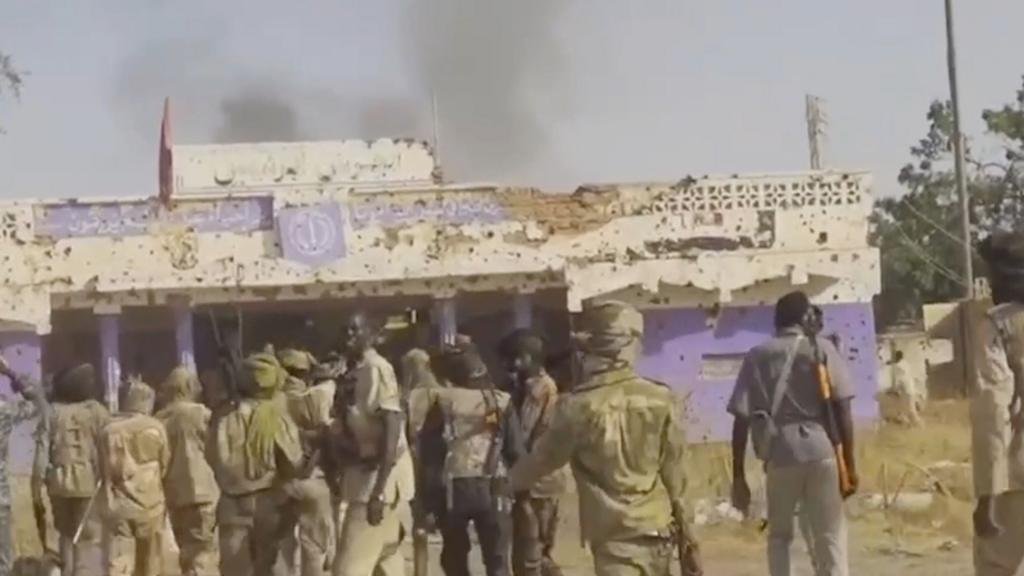

AL-FASHIR, Sudan — Survivors and aid workers have accused Sudan’s Rapid Support Forces (RSF) of carrying out mass executions near al-Fashir after capturing the city — the Sudanese army’s last stronghold in Darfur. The RSF denies the allegations, dismissing them as “media exaggeration.”
According to eyewitness accounts gathered by Reuters, fighters on camels rounded up hundreds of unarmed men near al-Fashir over the weekend, took them to a reservoir, and opened fire after hurling racial insults. One survivor, Alkheir Ismail, said he escaped only because one of the captors recognized him from school.
“He told them, ‘Don’t kill him,’” Ismail recounted in a video interview from Tawila, a nearby town. “Even after they killed everyone else — my friends and everyone else.”
Four witnesses and six aid workers told Reuters that men fleeing al-Fashir were separated from women in nearby villages before gunfire erupted. Reuters could not independently verify the accounts.
The UN human rights office said Friday it had received similar reports, estimating that hundreds of civilians and unarmed fighters may have been executed — acts it classified as potential war crimes.
The RSF, whose seizure of al-Fashir marks a turning point in Sudan’s two-and-a-half-year civil war, denied committing abuses. A senior RSF commander claimed the allegations were fabrications spread by the army to “cover up their defeat.” He said several RSF members had been arrested for alleged misconduct and that the group had assisted civilians in leaving the city.
“There were no killings as claimed,” the commander told Reuters, adding that some detainees were soldiers disguised as civilians taken for interrogation.
Reuters verified at least three videos circulating on social media that appeared to show men in RSF uniforms shooting unarmed captives, along with others depicting clusters of bodies.
In a speech Wednesday, RSF leader Mohamed Hamdan Dagalo urged his fighters to protect civilians and promised accountability for any violations, while ordering the release of detainees.
Ethnic Tensions Resurface
Most troops resisting the RSF in al-Fashir came from the Zaghawa ethnic group, which has a long-standing conflict with the largely Arab RSF. Analysts warn the latest violence echoes atrocities from the early 2000s, when RSF’s predecessors, the Janjaweed militias, were accused of ethnic massacres in Darfur.
Genocide expert Alex de Waal said reports from al-Fashir were “very similar to what they did in Geneina and elsewhere,” referring to another Darfur city where U.S. officials have accused the RSF of committing genocide — a charge under investigation by the International Criminal Court.
Civilians Trapped and Missing
Aid agencies estimate that of the 260,000 residents in al-Fashir before the assault, only about 62,000 have been located elsewhere, mostly in RSF-controlled towns like Garney and Tawila. Thousands remain unaccounted for.
Mary Brace of Nonviolent Peaceforce, an NGO operating in Tawila, said most new arrivals were “women, children, and older men.” She added that RSF trucks had transported some displaced people, possibly in a bid to attract foreign aid.
RSF-released footage on Thursday showed fighters distributing food and medical aid in Garney, though aid workers questioned the motives behind such efforts.
Among those who fled was Tahani Hassan, a former hospital cleaner. She told Reuters she escaped after relatives were killed by stray bullets, but was later detained by RSF fighters who beat and searched her family.
“They hit us hard. They threw our clothes on the ground,” she said. “Even I, as a woman, was searched.”
Hassan said her brothers and other men taken by the fighters never returned. “We can’t say they are alive,” she said. “If they don’t kill you, hunger or thirst will.”
