

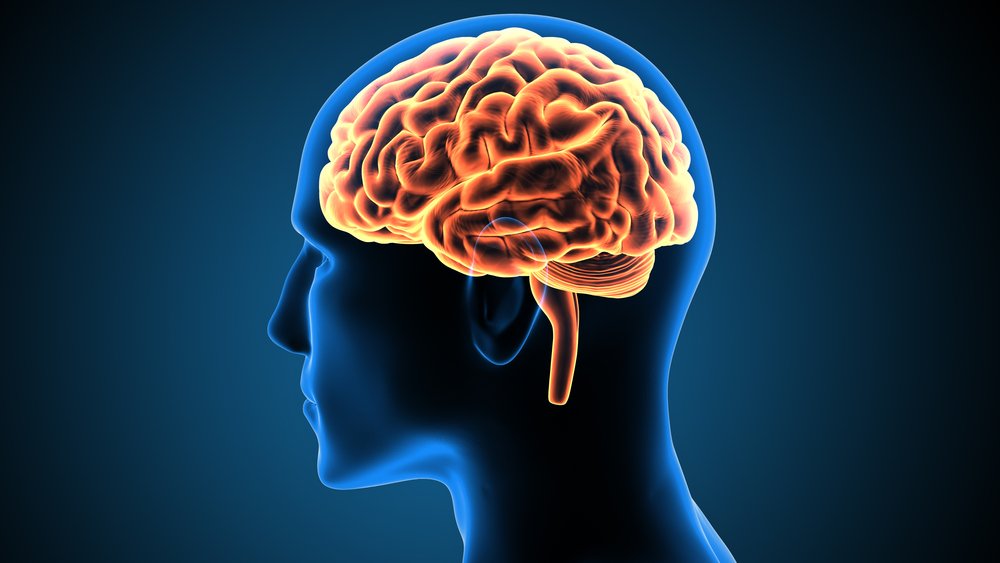

A new study has revealed why humans tend to fear loss more than they pursue gain, offering insight into the brain’s decision-making mechanisms. The research, published on a leading medical platform, highlights that the amygdala—a key region of the brain—plays a central role in this behavior.
Acting like an internal alarm system, the amygdala becomes highly active when individuals sense potential harm, immediately signaling danger and prompting caution.
The study shows that when faced with potential losses, neurons in the brain alter their activity, encouraging more careful and deliberate decision-making. Rather than acting impulsively, people are likely to pause, assess the situation, and minimize risk.
In contrast, potential rewards trigger a weaker neural response, which helps explain why individuals often miss out on opportunities but work hard to avoid setbacks. This phenomenon, commonly referred to as “loss aversion,” demonstrates that the brain prioritizes avoiding harm over seeking gain.
Beyond individual decision-making, the findings have broader implications for economic, social, and behavioral contexts. Many people avoid financial investments or business ventures due to fear of loss, even when potential gains outweigh risks.
Similarly, in social and professional situations, individuals may prioritize avoiding mistakes over pursuing ambitious opportunities. Psychologists also suggest that understanding this mechanism could enhance mental health treatments, educational strategies, and training programs, where cautious behavior is often encouraged.
Researchers believe these insights could assist policymakers, educators, and healthcare professionals in understanding human behavior under pressure. By recognizing why fear often outweighs opportunity, interventions can be designed to help individuals balance caution with calculated risk-taking.
Overall, the study underscores the powerful influence of the brain’s internal alarm system, demonstrating how the threat of loss consistently shapes choices and actions in daily life, both personally and societally.
