

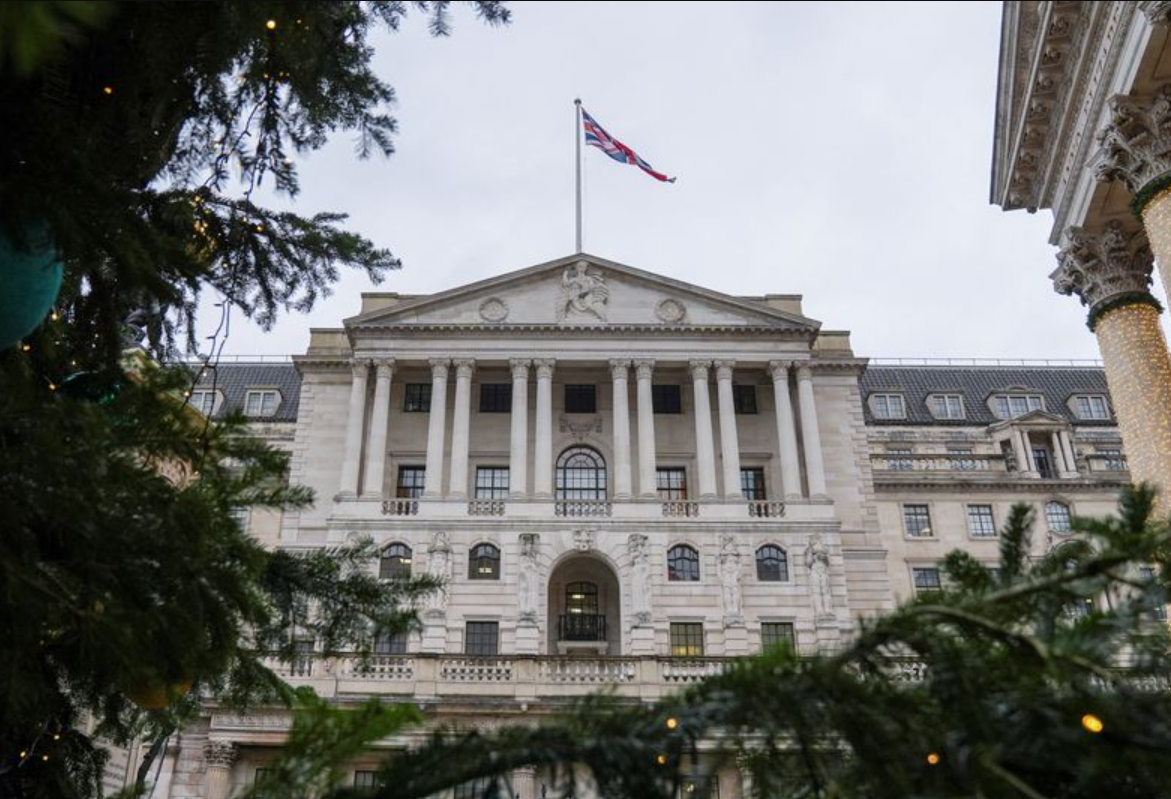

The Bank of England has cut its main interest rate to 3.75 percent in an effort to support a slowing UK economy. The decision comes ahead of Christmas and reflects easing inflation alongside weakening economic conditions. Borrowers are expected to see immediate relief, while policymakers remain cautious about future risks.
Bank of England Reduces Interest Rate to 3.75 Percent
The Bank of England lowered the Bank Rate from 4 percent to 3.75 percent following a decision by the Monetary Policy Committee announced at 12:00 GMT. This marks the second consecutive rate cut this year, following a reduction in August. Borrowing costs have now reached their lowest level since January 2023. Financial markets had widely anticipated a quarter-point cut, given the recent economic data pointing toward slowing momentum.
Cooling Inflation Supports Policy Shift
The decision was strongly influenced by recent inflation figures. Consumer Prices Index inflation fell sharply to 3.2 percent in November, moving closer to the Bank’s 2 percent target. This decline signaled easing price pressures and provided policymakers with greater confidence. As inflation softened, the case for a more supportive monetary stance strengthened.
Economic Weakness Intensifies Pressure
Economic indicators have also shown signs of strain. Output contracted in October, raising concerns about near-term growth prospects. Meanwhile, unemployment climbed to a five-year high, highlighting growing stress in the labour market. Together, these developments increased pressure on the central bank to act and prevent further economic slowdown.
Immediate Relief for Borrowers
The rate cut is expected to benefit around 500,000 homeowners with tracker mortgages. Monthly repayments could fall by approximately £29, offering timely relief during the cost-of-living squeeze. Variable-rate borrowers are also likely to see lower costs, while new loans should become more affordable. These changes may help ease household financial pressure in the short term.
Outlook Remains Uncertain
Despite the move, uncertainty surrounds the future path of interest rates. Analysts remain divided, particularly due to persistent inflation in the services sector. The Bank of England must continue balancing its inflation mandate with signs of economic weakness. Policymakers are expected to proceed cautiously as conditions evolve.
