

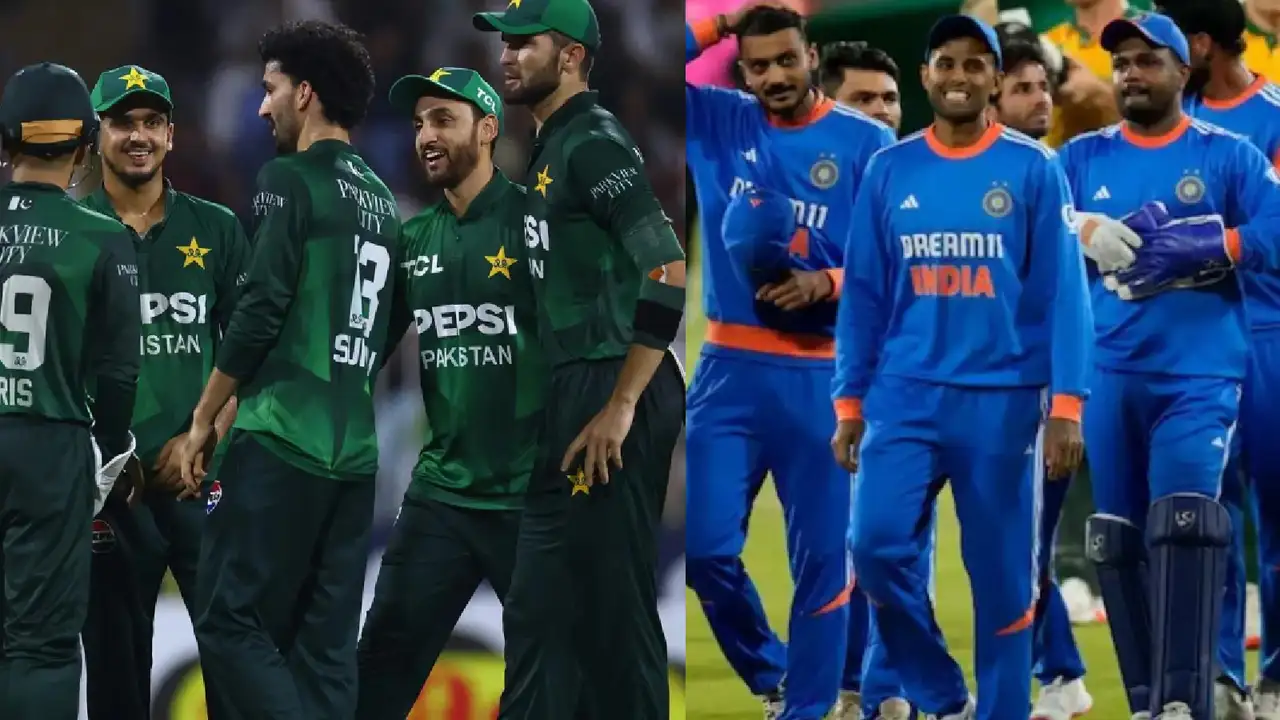

Pakistan’s decision to boycott its high-profile match against India in the ICC Men’s T20 World Cup 2026 has sparked intense debate across the cricketing world. While the Pakistan team will participate in the tournament, it has been officially barred from playing the February 15 fixture against India. The move was approved at the highest level of government and is being described as a protest against alleged bias within the International Cricket Council (ICC).
The decision followed a key meeting in Islamabad between Prime Minister Shehbaz Sharif and Pakistan Cricket Board (PCB) Chairman Mohsin Naqvi. Government sources say the step was taken after careful consideration of recent developments involving the ICC, India, and Bangladesh cricket.
Government Approval and PCB Consultation
According to sources, the federal government granted permission for Pakistan to take part in the T20 World Cup 2026. However, it clearly instructed that the national team would not face India in the scheduled group-stage match. Officials described the decision as political in nature but rooted in concerns over fairness and equality in international cricket governance.
Sources said the government wanted to send a strong message without withdrawing from the entire tournament. By allowing participation but skipping one match, Pakistan aimed to register its protest while avoiding isolation from global cricket.
Officials also confirmed that the PCB was consulted throughout the process. The board reportedly conveyed concerns over the ICC’s recent conduct and its handling of disputes involving member boards.
Bangladesh Controversy Sparks Solidarity
Sources revealed that the main trigger behind Pakistan’s move was the ICC’s treatment of Bangladesh. Tensions escalated after Bangladesh fast bowler Mustafizur Rahman was removed from the Indian Premier League. The decision was reportedly made on the direction of the Board of Control for Cricket in India (BCCI).
The move angered Bangladesh cricket officials and fans. The Bangladesh Cricket Board (BCB) later approached the ICC, requesting that its T20 World Cup matches be shifted outside India due to growing concerns. The ICC rejected the request.
Sources said matters worsened when Bangladesh was replaced by Scotland in the marquee event. The ICC cited scheduling difficulties, stating it was not feasible to make changes so close to the tournament’s February 7 start.
Pakistan viewed these developments as unfair and discriminatory. Government insiders said Islamabad decided to stand in solidarity with Bangladesh. They added that remaining silent would have signaled acceptance of what they called double standards.
“The Pakistan team has been instructed not to play the February 15 match against India as a protest,” sources confirmed.
Allegations of Bias Against ICC Leadership
Government sources also leveled strong allegations against ICC Chairman Jay Shah. Shah, who was elected unopposed in August 2024, was accused of turning the ICC into an “Indian Cricket Council.” Sources claimed that recent decisions clearly favored Indian interests.
They said the principles of justice and equality had been undermined. According to officials, similar situations involving other boards were handled differently. This, they argued, reflected a pattern of bias rather than isolated incidents.
Sources stressed that Pakistan’s move was not against cricket or sportsmanship. Instead, it was aimed at highlighting what they called structural injustice within the global governing body.
The government believes that registering a protest was necessary under the circumstances. Officials said international forums should operate transparently and treat all member nations equally, regardless of political or economic influence.
The ICC has yet to issue a detailed response to Pakistan’s reasoning. Meanwhile, cricket fans remain divided. Some support the decision as a stand for fairness. Others fear it could further strain Pakistan’s cricketing ties.
As the T20 World Cup 2026 approaches, the controversy is expected to remain in focus. All eyes are now on how the ICC responds and whether dialogue can ease tensions before the tournament begins.
