

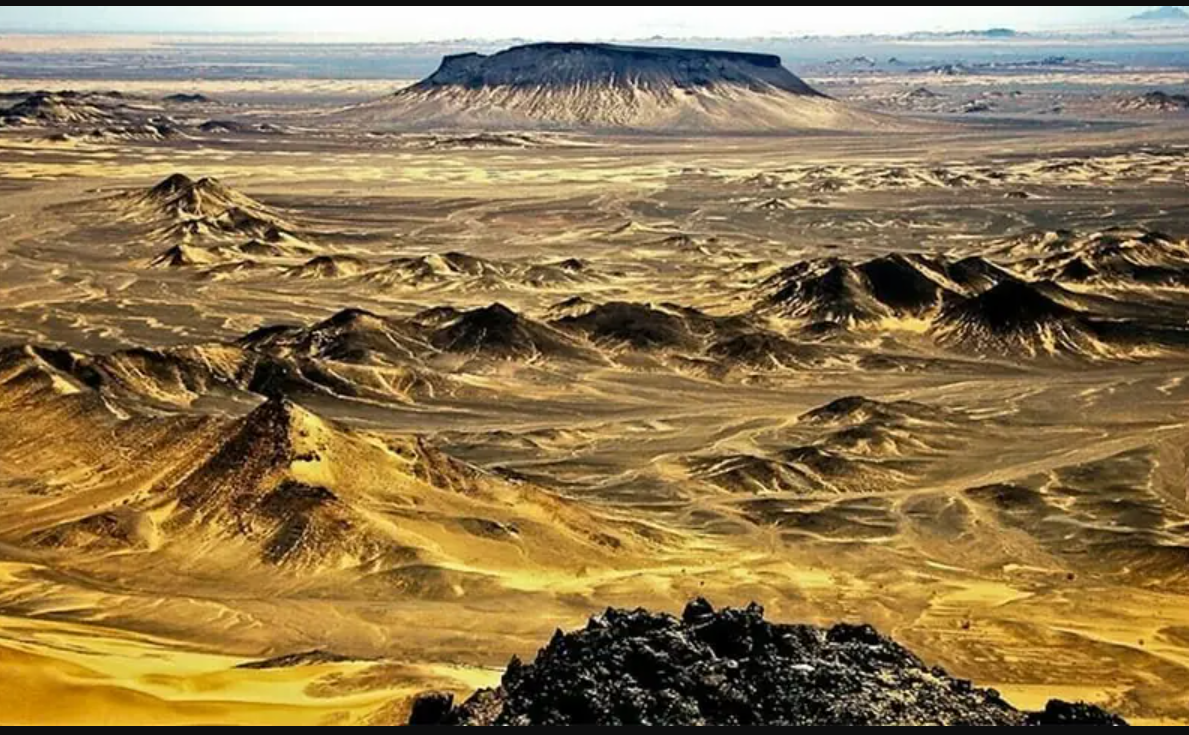

The United States Export-Import Bank has announced a major financial commitment for Pakistan’s Reko Diq project. The institution plans to extend a $1.25 billion loan to support the large-scale mining development. This commitment is part of a broader global strategy aimed at strengthening supply chains for essential minerals and energy resources.
The bank’s leadership explained that the initiative forms a key element of a larger investment plan. This plan aims to deploy nearly $100 billion to reinforce supply chains that the West considers increasingly vulnerable. Therefore, the Reko Diq project stands among the first group of major ventures included in this funding effort.
A Strategic Move to Strengthen Critical Mineral Supply Chains
Reko Diq holds significant deposits of copper and gold. These minerals are vital for global industries. The bank’s decision aligns with a wider strategy to reduce dependence on unstable or non-transparent suppliers. The leadership stressed that the world cannot progress with fragile supply chains. It highlighted the need for stable and fair access to essential raw materials.
According to the bank’s chief, the West has long relied on sources that no longer provide dependable access. This over-dependence creates risks for industries that rely on critical minerals. With the global shift toward clean energy and advanced technologies, these materials have become even more important.
The new funding plan seeks to secure alternative supply routes. Therefore, investments in projects like Reko Diq fit directly into this strategic vision.
Part of a Broader $100bn Global Investment Package
The bank has nearly $100 billion left to deploy from the amount approved by Congress. The initial set of deals covers multiple regions. These include Pakistan, Egypt, and several European locations. This marks a shift toward diversified global investments that support allied economies.
In addition to the Reko Diq loan, other deals involve credit insurance guarantees. One of these guarantees will support the delivery of natural gas to Egypt. A US-based commodities firm is leading that project. This indicates that energy security is another priority within the bank’s global plan.
The bank’s leadership explained that these early deals demonstrate the direction of future investments. Each project is chosen with long-term supply chain stability in mind. Therefore, the selection of Reko Diq highlights its importance in global mineral networks.
Why Reko Diq Matters in the Global Minerals Landscape
Reko Diq is one of the world’s largest undeveloped copper and gold deposits. Its long-term potential has attracted global attention. The project can support industries such as electronics, construction, renewable energy, and advanced manufacturing.
The growing demand for copper, in particular, has increased the strategic value of such deposits. The metal is essential for power grids, electric vehicles, and other clean-energy infrastructure. Therefore, countries are racing to secure future supplies.
The US Exim Bank’s involvement signals confidence in the project’s economic potential. It also reflects a desire to diversify global mineral sources. Moreover, such investments foster stronger ties with participating countries.
Global Energy Links Also Strengthened Through New Projects
Besides minerals, the broader investment plan includes energy-sector deals. The early-stage natural gas project in Egypt demonstrates this approach. Energy security remains a major concern for many nations. Therefore, the bank is supporting diversification in both minerals and energy markets.
This combined strategy aims to stabilise supply chains across multiple sectors. It also reflects a shift toward stronger cooperation with partner nations. As the global economic landscape evolves, such alliances become increasingly important.
Looking Ahead: What This Means for Pakistan
The $1.25bn loan will play a key role in advancing Reko Diq’s development. It also signals international confidence in the project’s long-term sustainability. Additionally, this investment is likely to attract further global interest in Pakistan’s resource sector.
As the project progresses, it may strengthen the country’s position in the global minerals market. With rising demand for copper and gold, Reko Diq’s future appears promising.
