
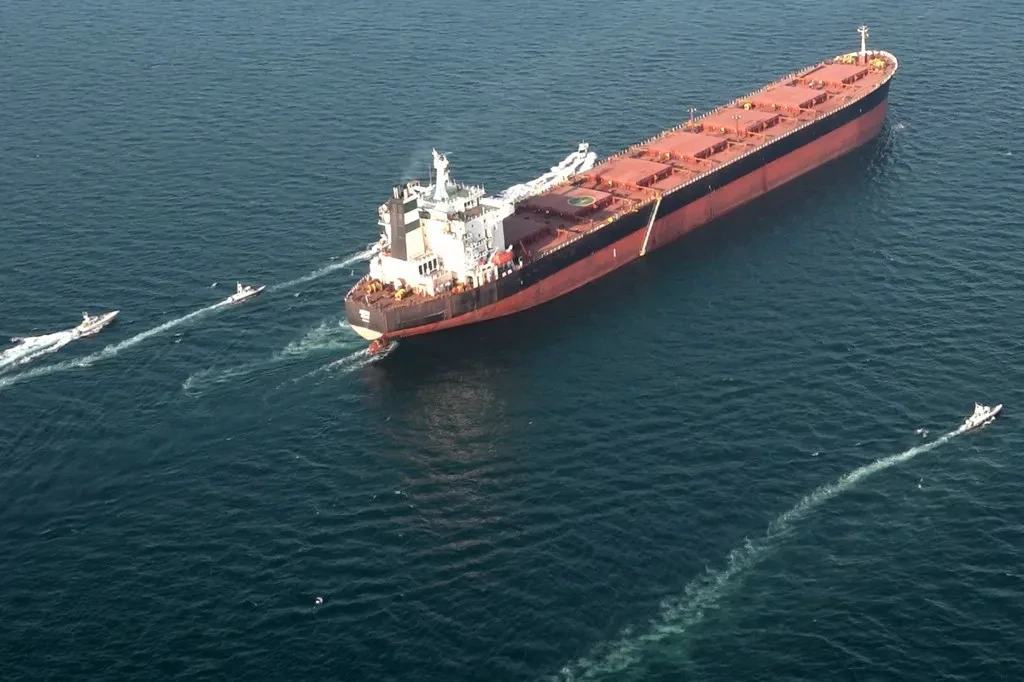

Iran has begun collecting transit fees from vessels passing through the Strait of Hormuz, with an Iranian lawmaker claiming the country has generated about $2 million from selected ships. The move signals a major shift in Tehran’s approach to one of the world’s most critical energy corridors.
Alaeddin Boroujerdi, a member of parliament’s National Security and Foreign Policy Committee, said on Sunday that Iran has established what he described as a “new concept of sovereignty” over the strait after 47 years. Consequently, authorities now charge certain vessels $2 million for passage, reflecting what he called the country’s growing strategic leverage.
Moreover, Boroujerdi stated during a televised program, cited by Iranian media, that the fee collection demonstrates Iran’s strength and control over regional maritime routes. However, officials did not clarify which vessels are subject to the charges or the criteria for enforcement.
Since early March, Iran has effectively restricted access to the strait for most ships. Notably, the waterway typically handles around 20 million barrels of oil per day and nearly 20 percent of global liquefied natural gas trade, making it vital for international energy markets.
As a result, the disruption has sharply increased shipping and insurance costs while pushing global oil prices higher. In addition, analysts warn that prolonged restrictions could trigger wider economic instability and supply chain disruptions worldwide.
Meanwhile, regional tensions have continued to intensify following the US-Israeli military campaign against Iran launched on February 28. The conflict has reportedly resulted in more than 1,300 deaths, including Iran’s Supreme Leader, Ali Khamenei.
In response, Iran has carried out drone and missile strikes targeting Israel as well as locations in Jordan, Iraq, and Gulf countries. Tehran maintains these operations are aimed at US military assets, although they have caused casualties, infrastructure damage, and further disruptions to global markets and aviation.

