

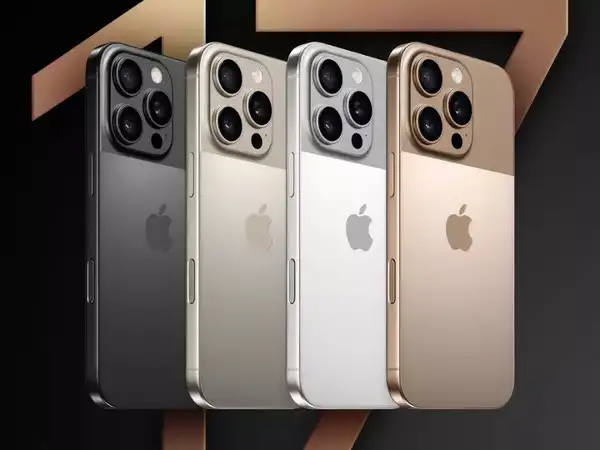

Apple’s latest iPhone 17 launch, expected to set new standards, has instead sparked concerns among buyers and investors. The unveiling triggered a stock market reaction that erased more than $112 billion in market value within two days.
Shares slipped 1.5% immediately after the September 9 reveal and then fell another 3.2% the following day. The decline reflected not just profit-taking but deeper worries about Apple’s innovation pace, margin pressures, and its lag in artificial intelligence.
Incremental Changes Instead of Breakthroughs
Investors had been anticipating a transformative upgrade cycle. However, the iPhone 17 lineup delivered slimmer bodies and modest hardware improvements. This lack of groundbreaking features left many feeling underwhelmed.
Delayed AI Strategy
A key point of disappointment was Apple’s decision to postpone a major Siri overhaul until 2026. Competitors such as Samsung and Google have already integrated advanced AI features. Investors expecting Apple to catch up quickly on this front were left frustrated.
“Sell-the-News” Impact
Several features, including the ultra-thin iPhone Air, were leaked in advance. As a result, traders who had bought early on speculation sold after the official reveal. The absence of surprise dampened excitement.
Margin Concerns From Tariffs
Apple confirmed it would absorb over $1 billion in tariffs rather than passing the cost to customers. While consumer-friendly, this raised fears about shrinking profit margins. Investors became cautious, questioning whether this approach could weigh on long-term earnings.
Stock Market Impact
Before the launch, Apple’s market capitalization stood at nearly $3.52 trillion. A 3.2% drop erased $112.6 billion in value—roughly equal to Nike’s market size. Even the smaller 1.5% dip translated into a staggering $52.8 billion loss.
By Thursday, shares attempted a modest recovery of 0.3% in pre-market trading. Still, the sharp decline highlighted Wall Street’s growing concerns.
Analysts Grow Cautious
Following the lukewarm reception, several brokerages revised their outlooks. Analysts cut ratings, citing overvaluation, tariff headwinds, and the lack of innovative breakthroughs. Forecasts suggested limited upside potential in the near term. Many agreed that the iPhone 17 family would not trigger the kind of upgrade cycle once associated with Apple launches.
Style Over Substance?
CEO Tim Cook highlighted the ultra-thin iPhone Air, measuring just 5.6 mm—slimmer than competing models. The device featured a titanium frame, an upgraded A19 Pro chip, and improved Ceramic Shield glass. Tech fans appreciated the sleek design. Influencers praised its durability and pricing, which undercut rivals.
Despite this, many investors saw only incremental design improvements. The Air shipped with a single camera and lacked significant AI integration. For Wall Street, style without substance failed to justify long-term growth optimism.
Falling Behind Rivals
Apple shares are now down 6.4% this year, even before the post-launch decline. Meanwhile, rivals like Microsoft and Nvidia have surged, largely due to AI leadership. If Apple continues to delay AI innovation, analysts warn it risks losing its competitive edge.
What Lies Ahead
For everyday consumers, the iPhone 17 lineup may still perform well during the holiday season. However, for investors, the outlook is uncertain. Apple must prove that it can still reshape product categories, not just refine them.
The company that once defined innovation now faces growing pressure to show it can lead again. Without decisive action, its dominance may not be enough to satisfy Wall Street.
