


Health authorities have issued a fresh warning as the risk of seasonal influenza H3N2 continues to rise. The National Institute of Health has highlighted an increase in reported cases within Pakistan and several global regions. The advisory signals growing concern as the 2025–26 influenza season progresses.
According to health officials, influenza A(H3N2) subclade K has emerged as a dominant strain worldwide. Since August 2025, many regions have recorded a sharp upward trend in infections. As a result, public health monitoring has been intensified.
Global and Regional Trends Show Significant Increase
South Asia has experienced a noticeable surge in influenza cases. Data from May to November 2025 shows a sustained rise in infections. During this period, H3N2 accounted for nearly two-thirds of reported influenza cases in the region.
Similarly, Australia and New Zealand have reported increased H3N2 activity. These trends suggest wider circulation of the virus across different climates. Consequently, health authorities remain on high alert.
Situation in Pakistan Raises Red Flags
In Pakistan, surveillance systems have detected an increase in influenza-like illness and severe respiratory infections. During epidemiological weeks 44 to 49, more than 340,000 suspected cases were reported nationwide.
Laboratory testing confirmed that 12 percent of analyzed samples were positive for H3N2. This rise indicates active community transmission. Therefore, authorities have urged healthcare providers to remain vigilant.
High-Risk Groups Face Greater Threat
Health experts have emphasized that certain groups face a higher risk of severe illness. Older adults remain particularly vulnerable to complications. Pregnant women and young children also face increased health risks.
People living with chronic medical conditions may experience more serious outcomes. Therefore, early detection and timely medical care remain critical for these groups.
Vaccination Remains the Strongest Defense
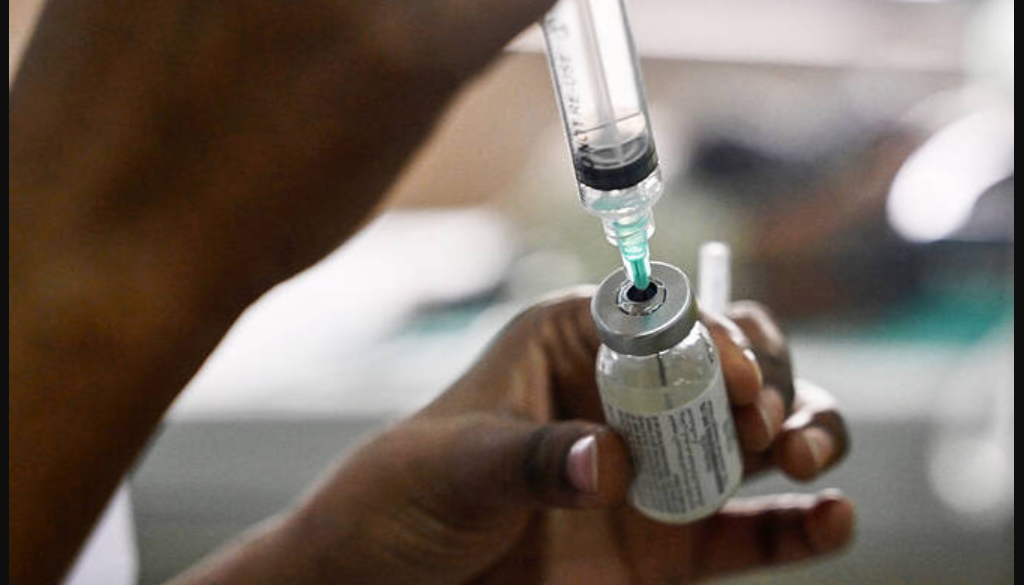
The advisory describes influenza vaccination as the most effective preventive measure. Vaccination helps reduce severe illness, hospital admissions, and related complications. Health authorities recommend timely vaccination for eligible individuals.
In addition, preventive habits play a vital role. Regular handwashing helps reduce virus spread. Observing proper cough and sneeze etiquette further limits transmission.
Simple Measures Can Reduce Spread
Avoiding unnecessary crowding can significantly lower infection risk. People experiencing flu-like symptoms are encouraged to limit social contact. Seeking medical advice early can help prevent complications.
Public awareness remains essential during the influenza season. Clear communication and responsible behavior can reduce the overall burden on healthcare systems.
Staying Prepared During Flu Season
Health officials continue to monitor influenza activity closely. Surveillance data will guide future public health responses. Meanwhile, citizens are urged to remain cautious and informed.
As H3N2 cases rise, timely vaccination and preventive measures remain key. These steps can protect vulnerable populations and limit wider transmission.
