
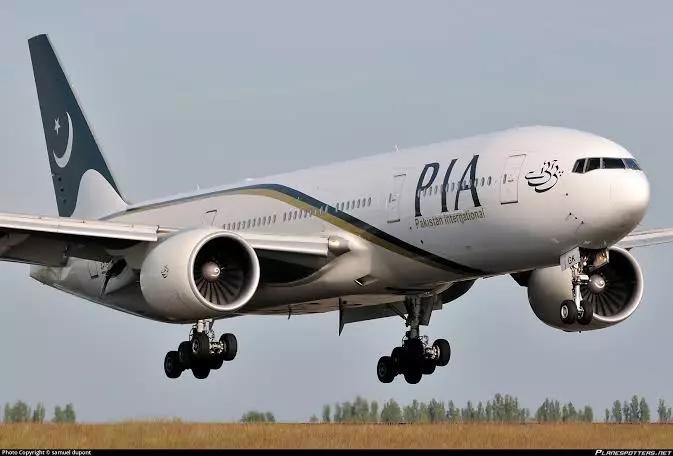

Commercial flights from Pakistan have begun taking longer routes and incurring higher operational costs after carriers stopped using the airspace of the United Arab Emirates. The decision follows recent attacks by Iran on U.S. military installations in the region, raising safety concerns for aviation.
According to aviation and media reports, flights departing from Saudi cities such as Dammam, Jeddah, Riyadh, and Medina are now following extended paths. Instead of crossing UAE airspace, aircraft are flying east across Saudi Arabia before diverting southward and westward to reach Pakistan.
As a result, airlines are experiencing increased fuel consumption and longer flight durations. Industry sources indicate that these changes are significantly raising operational expenses, which could eventually impact ticket prices.
Meanwhile, aviation authorities and airlines continue to monitor the evolving security situation across the Gulf. The rerouting reflects broader regional instability triggered by escalating tensions between Iran and the United States.
Although no direct threats to civilian aircraft have been reported, carriers are opting for precautionary measures to ensure passenger safety. Consequently, avoiding high-risk airspace has become a priority for flight operators.
Officials have not indicated how long the revised routes will remain in place. However, experts suggest that normal flight paths may only resume once regional security conditions stabilize.
Overall, the disruption highlights how geopolitical conflicts can quickly affect global aviation, forcing airlines to adapt routes while balancing safety and rising operational costs.

