
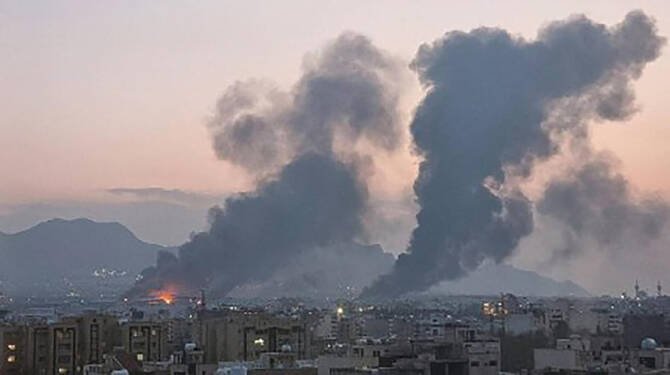

Military Realities Make War Unwinnable
A U.S. invasion of Iran would be overwhelming and likely unwinnable. Iran is far larger and more fortified than Iraq was in 2003. The country has 90 million people and a professional military hardened by decades of sanctions and asymmetric warfare. Its terrain ranges from the Zagros Mountains to vast deserts, ideal for guerrilla resistance.
The Islamic Revolutionary Guard Corps (IRGC) has prepared extensively. Mine-littered straits, missile barrages, drone swarms, and a network of regional allies from Hezbollah to the Houthis could ignite multiple fronts. Pentagon war games show a U.S. invasion would require hundreds of thousands of troops, years of occupation, and casualties surpassing those in Iraq and Afghanistan combined.
Even military leaders warn that initial victories would be the easiest part. Gen. Stanley McChrystal, former commander in Afghanistan, said, “Everything after this will be harder, because it will be more equal, even though we will have bombed them.”
Global Backlash and Economic Chaos
An invasion would provoke international outrage. Attacking a sovereign nation without a UN mandate would destroy American legitimacy. Russia and China would gain propaganda advantages and may arm Tehran openly.
Oil prices could spike, potentially exceeding $200 per barrel, triggering global inflation and recession. Sunni Arab partners might hedge against U.S. influence, gravitating toward China, India, and Russia. Inside Iran, the population would likely unite behind the regime, strengthening hardliners while silencing reformers. Decades of sanctions and diplomacy could be undone overnight.
The human and fiscal costs would be staggering. Iraq cost nearly $3 trillion and over 4,400 American lives. Afghanistan added hundreds of thousands of local casualties. An Iran invasion could exceed these wars combined. Every dollar spent occupying Tehran would be a dollar unavailable for domestic priorities like infrastructure, healthcare, or military modernization.
Containment Over Invasion
Diplomacy and containment remain the most practical approach. Iran has not yet weaponized nuclear arms despite sanctions, cyber operations, and assassination attempts. The 2015 nuclear deal, despite flaws, successfully delayed progress. A credible strategy of sanctions, naval patrols, cyber operations, and support for internal dissent can control Tehran without risking thousands of lives.
History shows that regimes like Iran’s collapse internally when their citizens see hope, not when foreign armies intervene. Invading Iran would betray American traditions of restraint, treaty compliance, and measured use of force. Occupation would not protect U.S. interests—it would gamble American credibility and security.
The choice is clear: the United States must avoid sending troops to Iran. Diplomacy, containment, and strategic patience offer a far safer path than war.

