

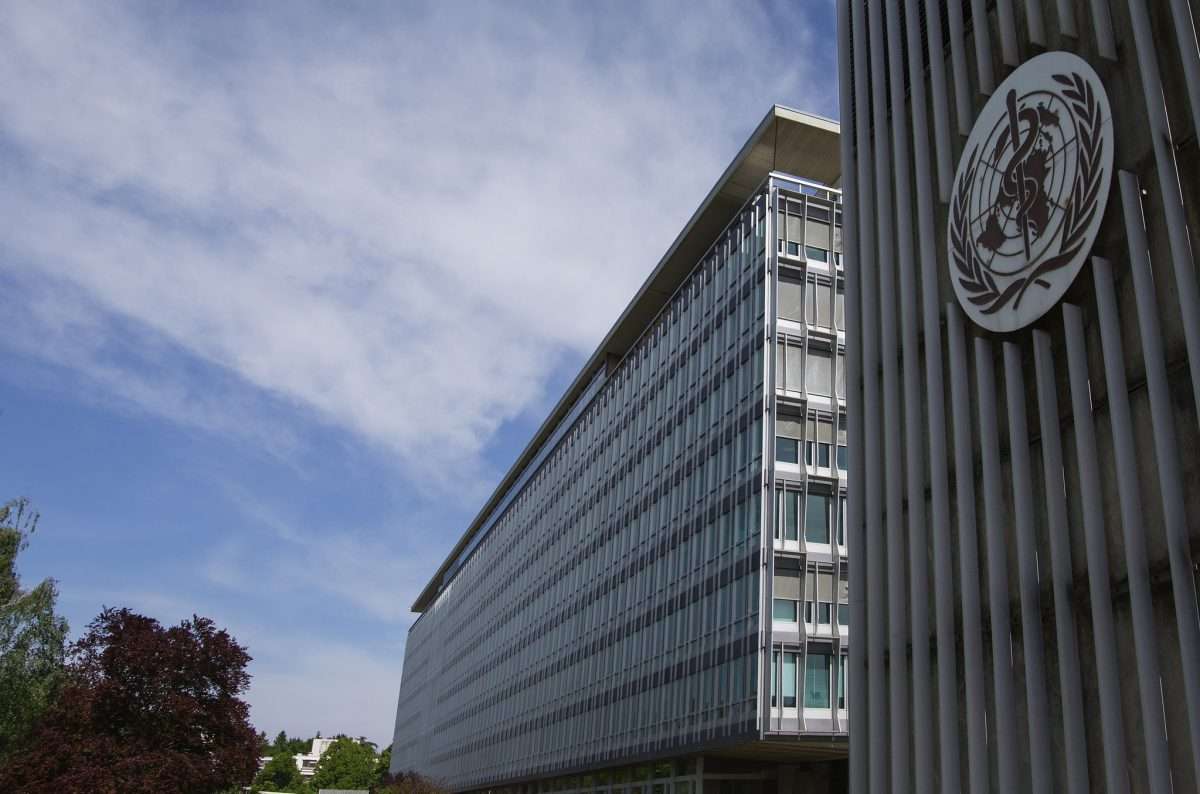

Geneva — The World Health Organization (WHO) has adopted a groundbreaking international agreement aimed at enhancing the world’s capacity to detect and respond to future pandemics, with a strong focus on global cooperation, real-time surveillance, and equitable access to vaccines, diagnostics, and treatments.
The landmark agreement, finalized after more than three years of negotiation spurred by the global failures exposed during the COVID-19 pandemic, seeks to build a more unified and equitable global health framework. It is designed to address gaps in the international response system and ensure that no country is left behind when facing global health threats.
Focus on Cooperation, Surveillance, and Fair Access
A central aim of the agreement is to foster greater international coordination in pandemic preparedness and response. Member states have committed to strengthening surveillance systems, rapidly sharing outbreak data, and facilitating timely access to life-saving medical tools such as vaccines and therapeutics.
The treaty places special emphasis on eliminating the inequality witnessed during the COVID-19 pandemic, when many low- and middle-income countries were unable to secure timely access to vaccines and critical health supplies.
“Global health security can only be achieved when all countries, regardless of income, have equal access to tools that prevent and respond to pandemics,” said a WHO spokesperson.
Tensions Over Sovereignty and Equity
Negotiations leading to the agreement were complex and, at times, tense. Developing nations voiced frustration over being sidelined during previous global health emergencies, particularly during COVID-19, when wealthier nations secured the bulk of available vaccines early on.
This imbalance prompted strong calls for a more equitable distribution framework, which the agreement now aims to address. However, several wealthier countries expressed concerns that the treaty could infringe upon their national sovereignty and decision-making in public health matters.
These tensions led to extended deliberations, but negotiators ultimately reached consensus on the framework of the agreement while preserving the right of countries to manage domestic health policies within agreed international norms.
PABS Mechanism: The Next Major Step
A key component of the treaty is the proposed Pathogen Access and Benefit-Sharing (PABS) mechanism, which is still under development. The PABS system is designed to ensure that countries share access to pathogens with pandemic potential in real time and, in return, receive fair and equitable access to the benefits derived from them, such as vaccines, diagnostics, and treatments.
This mechanism aims to establish a transparent and balanced process where scientific information and medical countermeasures are shared globally, especially with countries that might otherwise struggle to secure them.
Countries have been given until May 2026 to finalize the technical and legal details of the PABS system. Once completed, the broader pandemic agreement can be formally ratified. At least 60 countries must ratify the treaty for it to enter into force and become binding under international law.
Leaders of the Negotiations Emphasize Unity
The negotiations were co-chaired by Precious Matsoso of South Africa and Anne-Claire Amprou, France’s ambassador for global health. Both played a key role in steering discussions through contentious issues, ultimately guiding the talks to a successful conclusion.
Speaking to the assembly, Matsoso said the agreement reflects a commitment to build a resilient, rules-based framework for managing future health threats.
“It is intended to create a rules-based, future-proof system that will stand the test of time. It does not, and will not, undermine the sovereignty of countries,” she told delegates.
Amprou echoed her sentiment, emphasizing that the treaty represents a powerful symbol of global solidarity during a time of geopolitical uncertainty.
“In a time of growing geopolitical tensions and seismic changes, this agreement is proof that the world is still together,” she said.
Looking Ahead
With the agreement now adopted, WHO and its member states are focused on the next critical phase — implementing the commitments made and finalizing the PABS mechanism. International public health experts have lauded the agreement as a crucial step toward ensuring that global pandemic preparedness is not left to chance.
Once ratified and fully implemented, the treaty is expected to offer a more coordinated, transparent, and equitable approach to global health emergencies, ensuring that the world is better prepared for the pandemics of tomorrow.
