

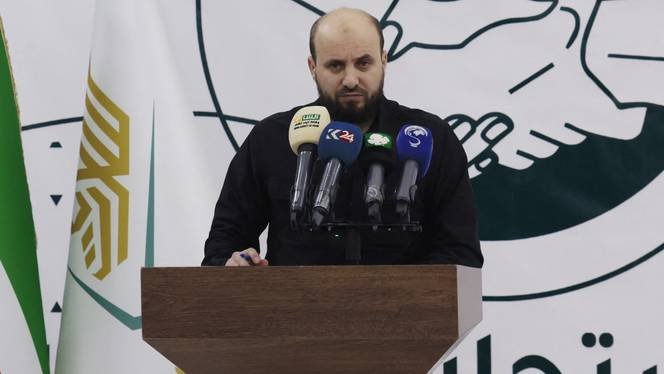

Days after the fall of the Assad regime, Syria finds itself at a critical crossroads, grappling with both the challenges and opportunities of political transformation. At the center of this historic moment stands Mohammed al Bashir, an electrical engineer turned administrator, now entrusted with guiding the nation through its most significant political shift in over half a century.
Appointed as Syria’s caretaker prime minister following a 12-day opposition offensive that toppled Assad’s government, Bashir embodies the swift and dramatic changes reshaping the country’s political landscape. His journey from managing local administration in Idlib to leading a transitional national government reflects the urgency and complexity of Syria’s reconstruction efforts after more than a decade of war.
The Collapse of Assad’s Regime
The Assad regime’s downfall marks the end of five decades of authoritarian rule characterized by repression, including the imprisonment and killing of suspected dissidents. Syrians both within the country and abroad celebrated this long-awaited moment, though uncertainty looms over the nation’s future. The opposition’s 12-day offensive—a coordinated effort by armed anti-regime groups—was pivotal in dismantling Assad’s power, but it left a vacuum that demands immediate and strategic leadership.
Mohammed al Bashir: A Leader Emerges
Born in the mid-1980s in Jabal Zawiya, Idlib, Mohammed al Bashir represents a new breed of Syrian leaders. His career trajectory is a testament to his diverse expertise and adaptability. Educated as an electrical engineer at the University of Aleppo, Bashir later earned degrees in Sharia and law from the University of Idlib, equipping him with a rare blend of technical and legal knowledge. Fluent in English and skilled in administrative planning, Bashir’s qualifications stand out in a nation desperate for effective governance.
Before venturing into politics, Bashir led the precision instruments department at the Syrian Gas Company. However, the escalating conflict prompted him to leave his corporate career in 2021 to join the opposition’s political ranks. By 2022, he was appointed Minister of Development and Humanitarian Affairs in the Syrian Salvation Government (SSG), an administration formed to oversee the Idlib region.
Priorities for the Transition Period
Now serving as caretaker prime minister until March 1, 2025, Bashir’s immediate priorities include stabilizing the nation and laying the groundwork for a constitutional government. “We invited members from the old government and some directors from the administration in Idlib and its surrounding areas to facilitate all necessary works for the next two months,” Bashir explained, emphasizing the importance of continuity and collaboration during the transitional phase.
A cornerstone of Bashir’s leadership is his commitment to inclusivity. Addressing concerns from religious minorities, he stated, “Precisely because we are Islamic, we will guarantee the rights of all people and all sects in Syria.” This pledge aims to foster unity in a nation deeply scarred by sectarian divisions.
Challenges Ahead
Bashir faces an immense task in steering Syria toward recovery. Rebuilding infrastructure destroyed by years of conflict, addressing widespread humanitarian crises, and fostering political reconciliation are just a few of the pressing issues. His technical background, particularly in engineering, could prove invaluable in reconstructing critical systems and utilities, while his legal and administrative expertise positions him to navigate the complexities of governance.
Historical Context and Future Outlook
Syria’s current transition invites comparisons to other nations that have undergone similar upheavals. Drawing lessons from these experiences could guide Bashir and his team in avoiding common pitfalls and ensuring a smoother path to stability. As Syrians look ahead, the success of this transitional period will hinge on effective leadership, international support, and the collective will of the Syrian people.
Mohammed al Bashir’s rise from engineer to national leader underscores the transformative nature of this moment. With a blend of technical acumen and political resolve, he is uniquely positioned to lead Syria into a new era of hope and renewal.
