

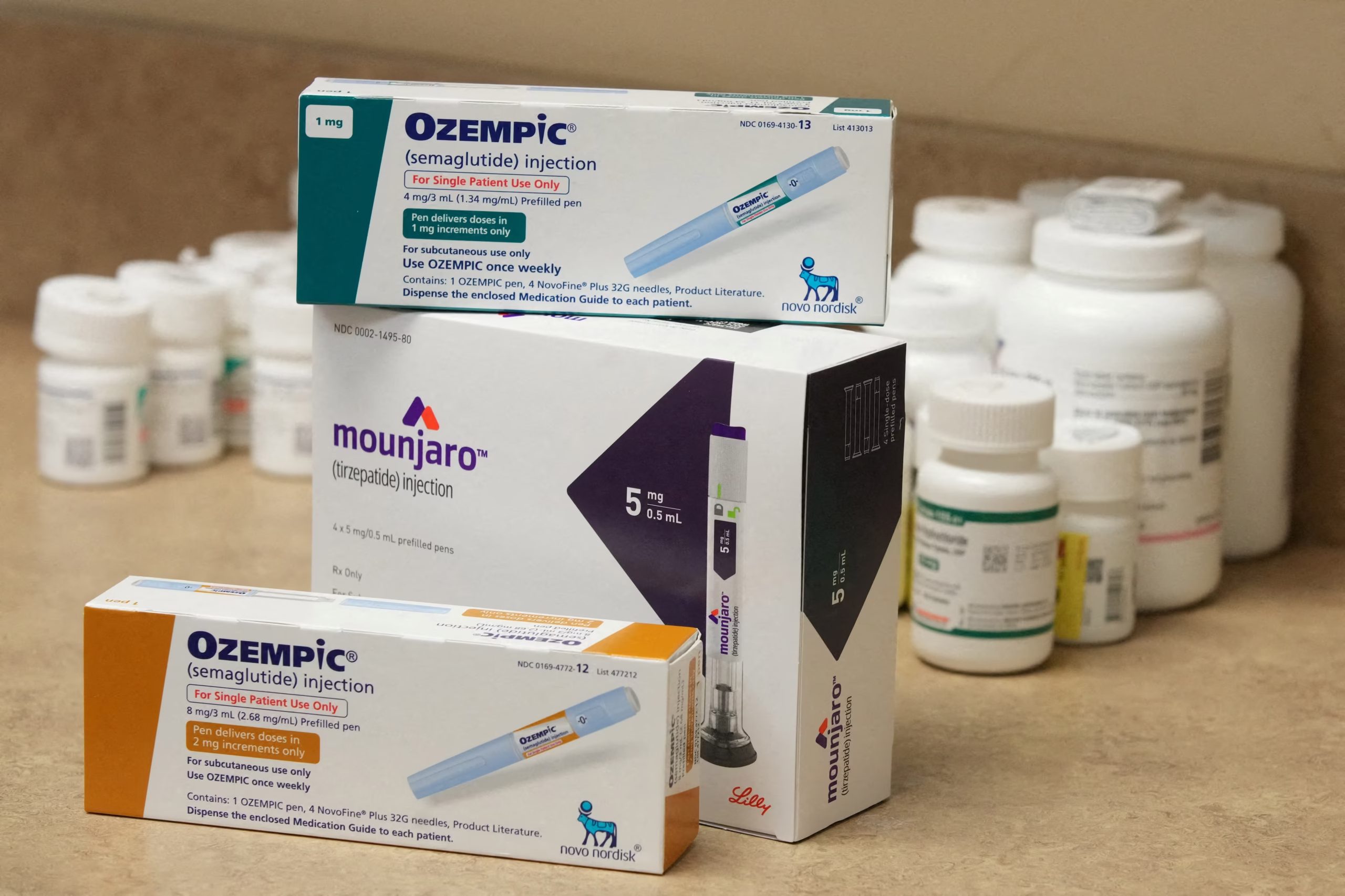

For the first time, the World Health Organization (WHO) has formally recommended the use of popular weight loss drugs to treat both diabetes and obesity, emphasizing the need for urgent measures to make affordable generic versions accessible in developing countries.
The WHO confirmed that semaglutide, marketed as Ozempic and Wegovy, and tirzepatide, sold as Mounjaro, have been added to its Essential Medicines List for adults. These GLP-1 receptor agonists function by suppressing appetite and improving blood sugar control.
Originally developed to manage diabetes, clinical studies have demonstrated that these drugs also lead to significant weight loss and may reduce the risk of heart disease and hospitalisation.
According to WHO data, more than 3.7 million people died from obesity- or overweight-related conditions in 2021, a figure higher than combined deaths from malaria, tuberculosis, and HIV. With one in eight people now classified as obese and over 800 million living with diabetes in 2022, the global burden of these diseases continues to escalate.
Despite their effectiveness, high costs remain a barrier to access in low- and middle-income countries. In the United States, monthly treatment costs can exceed $1,000, raising concerns that patients in poorer regions will be excluded.
To address this, WHO has urged pharmaceutical companies and regulators to accelerate production of low-cost generic versions. Once patents expire next year in markets such as India, China, and Canada, experts estimate these medicines could be manufactured locally for as little as $4 per month.
Beyond weight management, early research suggests these drugs may have wider health benefits, including potential treatment for addiction. A recent study in the Journal of the American Medical Association (JAMA) found that heart disease patients taking GLP-1 drugs had a 40% lower risk of hospitalisation or premature death.
Alongside weight loss medications, WHO has also added several cancer treatments to its Essential Medicines List this year, underlining the organization’s commitment to expanding access to life-saving therapies worldwide.
This landmark recommendation marks a significant step toward making effective treatments for obesity and diabetes more equitable and widely available.
