
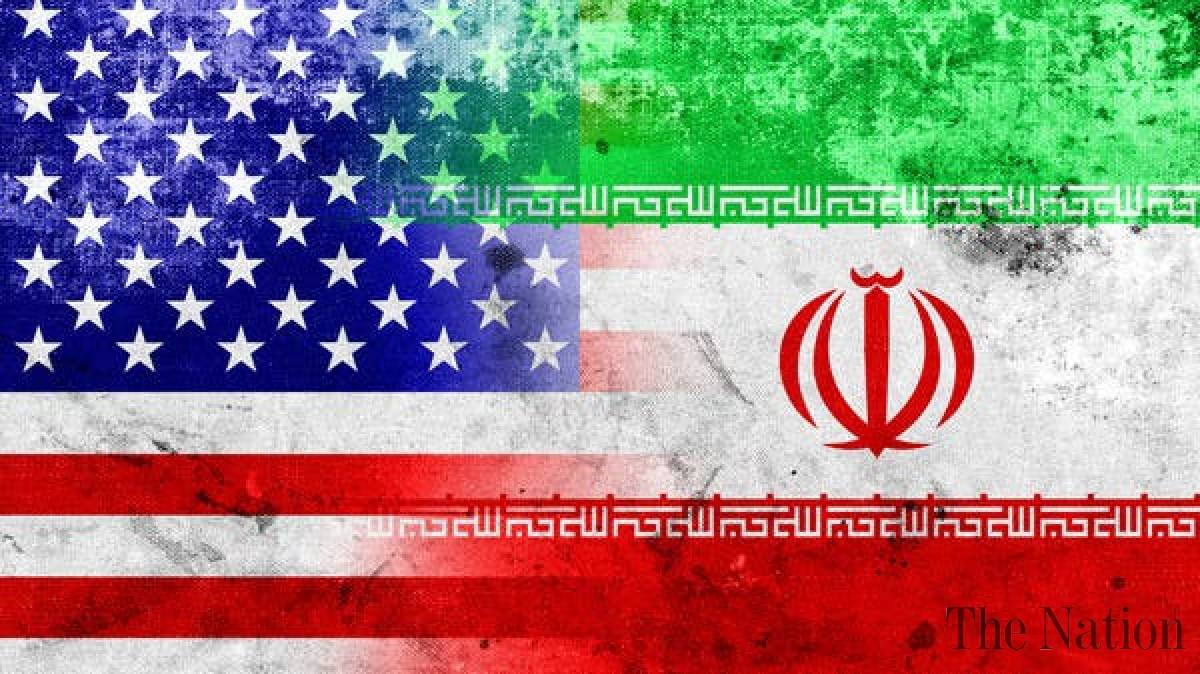

US Dismisses Reports of Nuclear Options
The White House has denied reports that it is considering nuclear strikes against Iran. Officials clarified that such claims are not under discussion. The statement comes at a time of growing tensions between the two countries.
Speculation had increased after recent remarks by JD Vance. He stated that the United States has “tools in our toolkit” that have not yet been used. His comments triggered debate over possible military options. However, the White House quickly moved to calm concerns.
Officials emphasized that the US is not planning nuclear action. They reiterated that current policy focuses on strategic and measured responses. The denial aims to reduce fears of escalation in the region.
Iran Signals No Flexibility Under Pressure
According to a Reuters report, an Iranian source has taken a firm stance. The source said Iran will not show flexibility as long as US demands remain unchanged. Tehran views current demands as unacceptable.
Iran’s leadership believes negotiations cannot proceed under pressure. Officials argue that any talks must be based on mutual respect. This position complicates diplomatic efforts. It also increases uncertainty in the region.
Tensions between Washington and Tehran have been rising steadily. Military and political developments have added to the strain. Both sides continue to exchange strong statements.
Growing Concerns Over Regional Stability
The situation has raised global concerns about stability in the Middle East. Analysts warn that misunderstandings could lead to further escalation. Diplomatic channels remain critical at this stage.
The White House has stressed the importance of avoiding conflict. It continues to monitor developments closely. Officials say all decisions will prioritize national and global security.
Meanwhile, Iran’s position signals a hardening stance. The lack of flexibility may delay any potential negotiations. This increases the risk of prolonged tensions.
Experts believe clear communication is essential. Both countries must avoid actions that could worsen the situation. The international community is also urging restraint from all sides.
As the situation evolves, attention remains focused on Washington and Tehran. Future developments will depend on diplomatic efforts and policy decisions. The coming weeks could prove critical for regional peace.

