

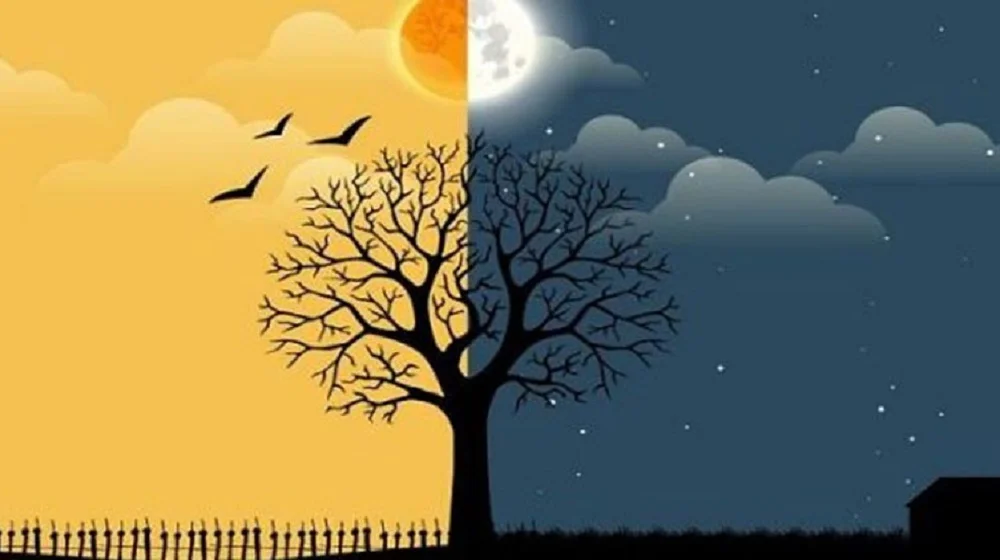

The shortest day of the year in Pakistan occurs during the winter solstice, an astronomical event when the Northern Hemisphere is tilted farthest from the Sun. This results in the longest night and shortest daylight hours of the year. In 2025, the winter solstice in Pakistan is expected to occur on Sunday, December 21, at 8:03 PM PKT .
Key Facts
-
Date: December 21, 2025
-
Time: 8:03 PM PKT
-
Location: All regions in Pakistan
-
Daylight Duration: Approximately 10 hours and 1 minute
-
Sunrise and Sunset Times: Varies by location; for example, in Islamabad, sunrise is at 7:05 AM and sunset at 5:06 PM on December 21, 2022.
Why Does It Happen?
Earth’s axial tilt of 23.5 degrees causes the Sun’s rays to strike the Northern Hemisphere at a more oblique angle during the winter months. On the winter solstice, the Sun reaches its southernmost point in the sky, resulting in the shortest day and longest night of the year for regions north of the equator, including Pakistan.
Cultural Significance in Pakistan
In Pakistan, the winter solstice marks the beginning of longer days. While not widely celebrated nationwide, some communities observe this time with traditional festivals. For instance, the Kalash people of Chitral celebrate Chawmos, a festival that coincides with the winter solstice.
This festival, lasting from December 7 to 22, includes rituals to honor ancestors and deities, celebrating the return of longer days.
| Location | Date and Time (PKT) | Daylight Duration | Sunrise Time | Sunset Time |
|---|---|---|---|---|
| Islamabad | Dec 21, 2025, 8:03 PM | ~10 hours 1 minute | 7:05 AM | 5:06 PM |
| Chak Thirty-nine MB | Dec 21, 2025, 8:03 PM | ~10 hours 1 minute | 7:05 AM | 5:06 PM |
Note: Sunrise and sunset times are approximate and may vary slightly by location.
Frequently Asked Questions (FAQs)
Q1: Why is the winter solstice significant?
A1: It marks the point when the Northern Hemisphere is tilted farthest from the Sun, resulting in the shortest day and longest night of the year.
Q2: Will the days get longer after the winter solstice?
A2: Yes, following the winter solstice, daylight hours gradually increase until the summer solstice in June.
Q3: Is the winter solstice celebrated in Pakistan?
A3: While not a national holiday, some communities, like the Kalash people, observe the winter solstice with traditional festivals such as Chawmos.
Understanding the winter solstice provides insight into Earth’s seasonal changes and the cultural practices that celebrate the return of longer days. Whether you’re in Dera Bugti or any other part of Pakistan, the winter solstice is a reminder of the planet’s dynamic relationship with the Sun.
