
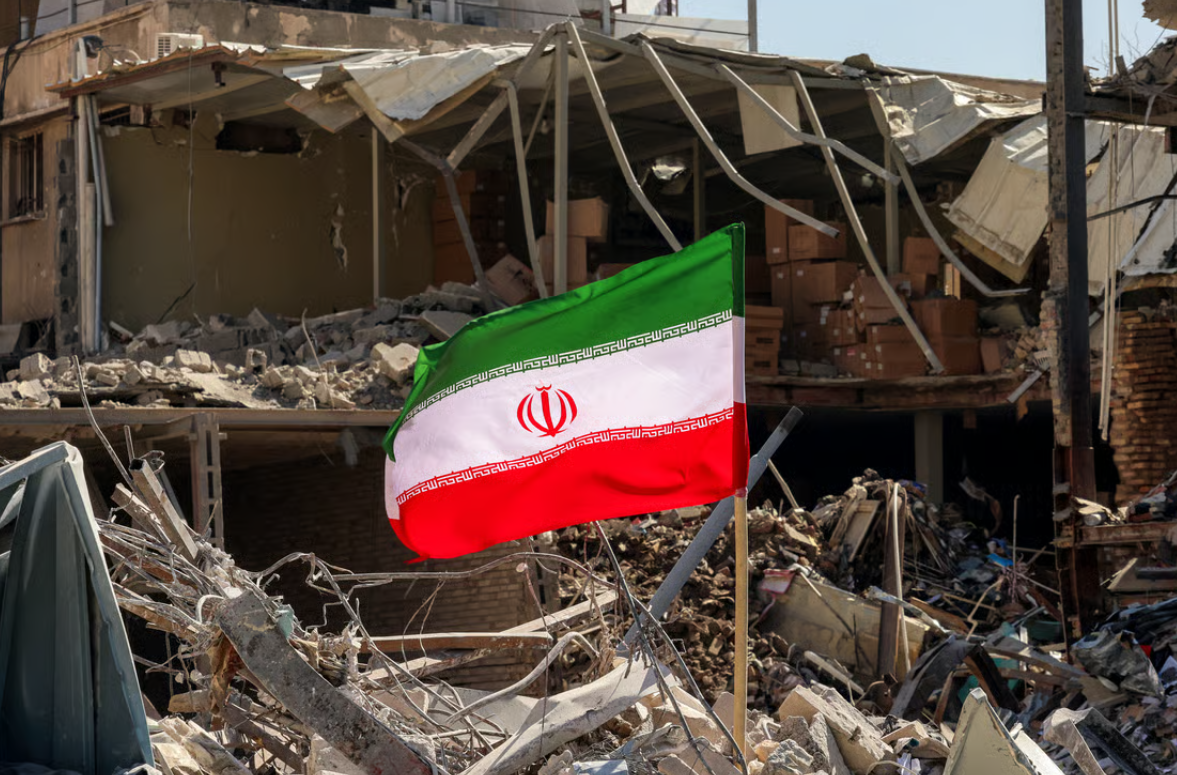

Iran has rejected a United States proposal aimed at ending the ongoing conflict. Officials say any resolution will depend entirely on Tehran’s own timeline and conditions.
A senior political and security official stated that Iran would not allow external powers to determine when hostilities conclude. Instead, the country plans to continue defensive operations until its objectives are achieved.
According to the official, Iran believes battlefield realities must shape diplomacy. Therefore, negotiations cannot move forward unless its demands receive full acceptance.
Tehran Signals Continued Military Response
Iranian authorities stressed that military operations will continue for now. Officials warned that pressure tactics would not force concessions.
They argued that Iran retains the right to respond until it secures guarantees addressing long-term security concerns. Consequently, Tehran expects negotiations to reflect its strategic priorities rather than external expectations.
The official also emphasized that the end of the conflict would occur only when Iran decides conditions are suitable. This position highlights Tehran’s insistence on maintaining control over the negotiation process.
Five Conditions Iran Says Are Non-Negotiable
Iran has presented five key requirements for agreeing to a ceasefire. These conditions form the foundation of its diplomatic position.
First, Tehran demands a complete halt to what it describes as aggression and targeted attacks. Officials argue that trust cannot develop without immediate cessation of hostilities.
Second, Iran seeks binding guarantees preventing the conflict from restarting. Authorities want mechanisms ensuring long-term stability rather than temporary pauses.
Third, Iran calls for compensation covering damages and wartime losses. Officials consider reparations essential for any lasting settlement.
Fourth, Tehran insists that hostilities must end across all regional fronts involving allied groups. According to officials, a partial ceasefire would remain ineffective.
Fifth, Iran demands recognition of its sovereign authority over the Strait of Hormuz. Leaders view this issue as central to enforcing future agreements.
Negotiations Linked to Earlier Diplomatic Positions
Officials noted that these demands build upon positions presented during earlier rounds of diplomatic engagement held before the latest escalation.
Iran believes past negotiations failed because military pressure continued alongside talks. As a result, leaders now approach new proposals with greater caution.
Moreover, Tehran has informed intermediaries that negotiations will not begin unless every condition receives acceptance. This stance reflects growing mistrust between negotiating parties.
Proposal Delivered Through Regional Channels
The peace proposal reached Iran through regional intermediaries acting as communication channels between both sides. Diplomatic exchanges continue indirectly despite disagreements.
Officials described the proposal as excessive and disconnected from developments on the ground. Therefore, Tehran rejected it in its current form.
Iranian leadership also suggested that the proposal could increase tensions rather than reduce them. However, communication channels remain open, leaving room for future diplomacy.
Uncertain Path Toward De-Escalation
Although negotiations remain stalled, diplomatic activity has not completely stopped. Indirect messaging continues as both sides assess possible next steps.
Analysts believe mediation efforts could help prevent further escalation. Still, significant gaps remain between demands and proposed solutions.
For now, Iran’s position appears clear. The country insists the conflict will end only when its conditions are fulfilled and its leadership chooses the timing.
As tensions persist, the future of negotiations depends on whether opposing sides can narrow their differences through sustained diplomatic engagement.

