

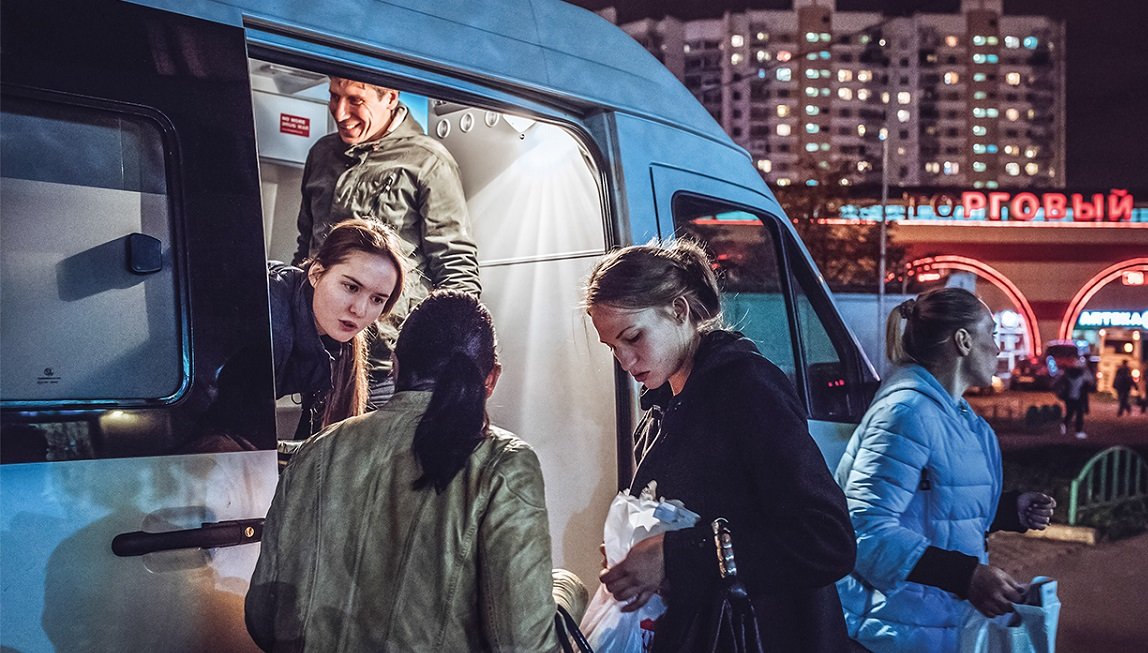

Russia’s HIV epidemic—already critical before the invasion of Ukraine—has sharply worsened due to the war, with new data revealing an alarming surge in infections, especially among military personnel.
According to figures from Russia’s Defense Ministry, HIV incidence among soldiers increased more than 40-fold in the first year of the full-scale war. Experts warn that the long-term demographic and economic consequences of this outbreak could rival—or even surpass—the damage caused by the war itself.
Russia crossed the 1 million mark of HIV-positive individuals in 2016, equating to nearly 1% of the total population, and up to 2% among working-age adults. This figure excludes many undiagnosed cases due to limited or avoided testing.
Even then, the epidemic was not beyond control. Global public health experience has shown that with adequate political commitment, HIV outbreaks can be managed. But Russia chose not to increase healthcare funding or adopt internationally proven prevention methods. Instead, it leaned on outdated rhetoric about morality and family values. The invasion of Ukraine has only deepened the crisis.
Antiretroviral therapy (ART)—lifelong medication essential for suppressing the virus and halting transmission—is costly. Prior to the war, only wealthier Russian regions could afford to treat all patients consistently. The Health Ministry’s push to replace Western medications with cheaper domestic generics was already causing supply disruptions. Now, wartime resource reallocation has worsened the situation, with less than half of HIV-positive individuals in Russia currently receiving treatment—a significant drop from previous years.
The war’s crackdown on civil society has further crippled support systems. The Elton John AIDS Foundation, once a major funder of HIV-related NGOs in Russia, was banned as an “undesirable organization,” halting its partnerships. The government’s designation of LGBTQ+ communities as “extremist” has compounded stigma, isolating many who are most vulnerable to the virus and deterring them from seeking help.
However, the greatest damage comes directly from the battlefield. Frontline conditions—marked by inadequate hygiene, shared needles, and emergency blood transfusions—create fertile ground for HIV transmission. Continuous ART is critical to keeping HIV in check, but soldiers in combat zones often lack consistent access, putting them and others at risk. Medical experts caution that irregular treatment is particularly dangerous, as it fosters drug-resistant strains of the virus, which can be transmitted to others in mutated forms.
In sum, the war has not only derailed HIV prevention and treatment in Russia—it has pushed the country into a full-blown public health emergency, with long-lasting consequences that may extend far beyond the battlefield.
