
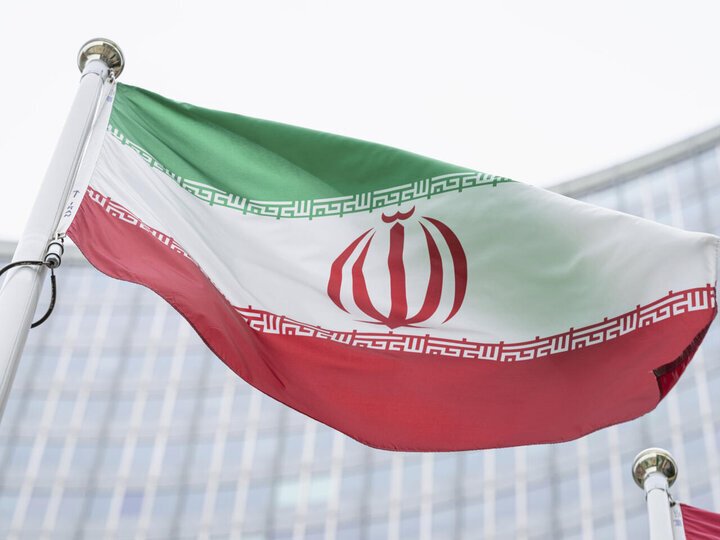

Tehran — Ongoing US and Israeli strikes on Iran are increasingly straining family relationships, exposing deep social and political divides within Iranian society. Accounts from residents reveal emotional confrontations, particularly during gatherings such as Nowruz, the Persian New Year.
One resident described a tense family meeting where disagreements over the war led to silence and early departures. Supporters and opponents of the government clashed openly, reflecting broader national tensions. These divisions persist even among critics of the regime, who remain split over whether the conflict will bring meaningful change.
Personal Stories Highlight Emotional Toll of Conflict
Meanwhile, individuals across Iran continue to share personal experiences despite strict internet restrictions. Some have relied on alternative connectivity methods, including satellite services and virtual private networks, to communicate.
Young Iranians described adapting to daily life amid uncertainty, maintaining routines such as studying, exercising, and limited social outings. However, the war has also intensified personal conflicts. In several cases, disagreements between siblings and parents escalated into arguments, forcing some individuals to leave family gatherings.
Furthermore, differing political views have shaped these disputes. Some believe foreign intervention could weaken the government, while others fear escalating violence and civilian casualties. These contrasting perspectives continue to fuel emotional strain within households.
Growing Casualties Influence Public Sentiment
In addition, rising casualty figures have begun to shift opinions among some citizens. Reports indicate thousands of deaths, including a significant number of civilians, prompting calls for an end to hostilities.
Consequently, even individuals who initially supported military action have started expressing concern over the humanitarian impact. Despite ongoing disagreements, many families continue to stay together, navigating uncertainty while hoping for peace.
The conflict has not only reshaped public discourse but also transformed private lives, revealing the profound human cost of war.

