

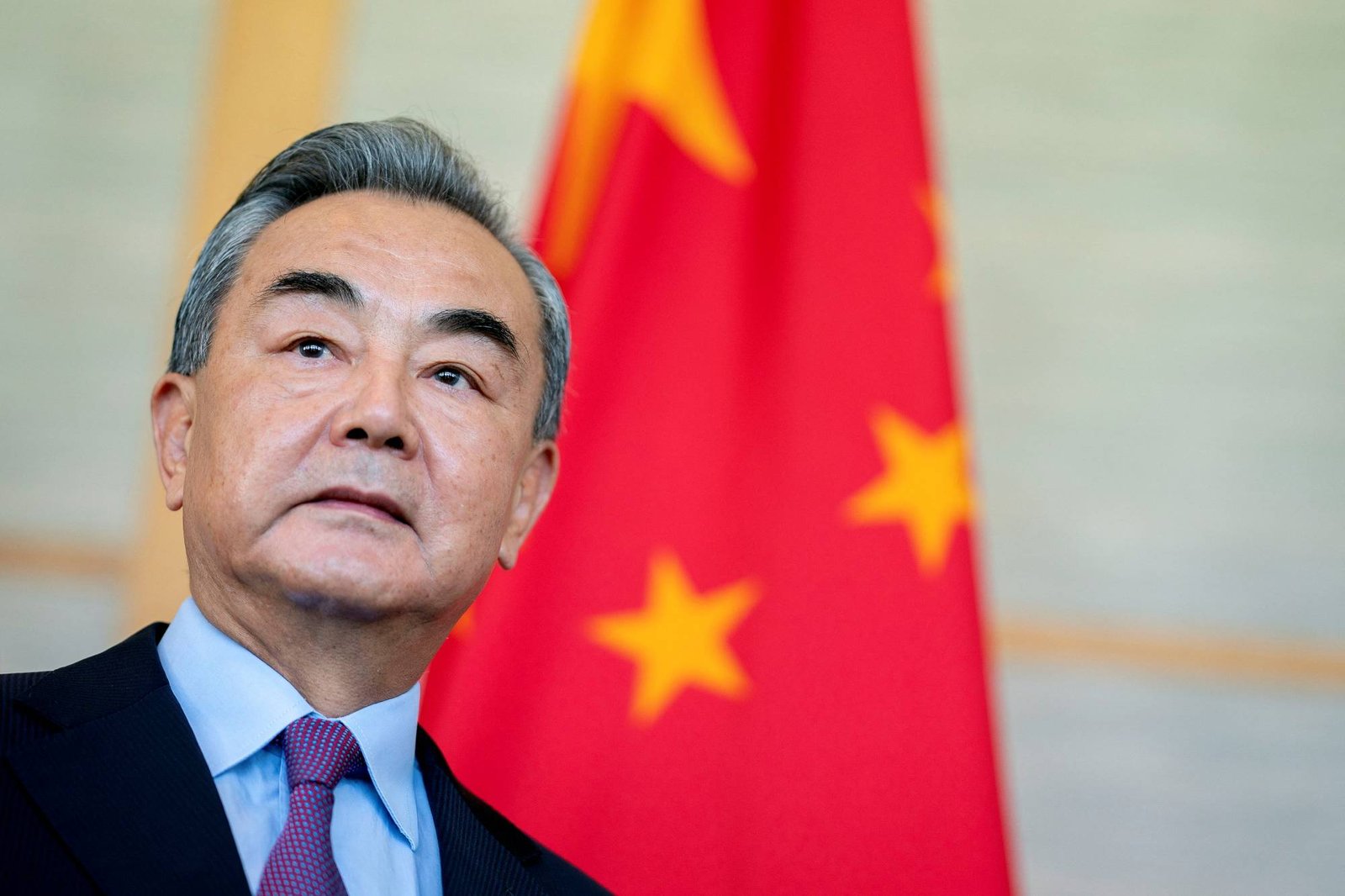

Chinese Foreign Minister Wang Yi arrived in Islamabad on Tuesday to participate in the 6th round of the Foreign Ministers’ Strategic Dialogue, marking his second visit to Pakistan in three years. He was received at the airport by Deputy Prime Minister and Foreign Minister Ishaq Dar, who later co-chaired the dialogue sessions with him.
In a joint press conference, Ishaq Dar revealed that Wang Yi had pledged humanitarian assistance for victims of the recent devastating floods in Pakistan. He described China’s timely support as a reflection of the “all-weather” friendship that the two countries continue to uphold despite challenges.
During the dialogue, both sides held detailed discussions covering the full spectrum of Pakistan-China relations. The talks ranged from advancing the long-stalled China-Pakistan Economic Corridor (CPEC) into its second phase—popularly termed CPEC 2.0—to expanding trade, strengthening economic cooperation, enhancing multilateral collaboration, and boosting people-to-people ties. The two leaders also reviewed regional and global issues of common concern.
The Foreign Office emphasized that both parties reaffirmed their “All-Weather Strategic Cooperative Partnership,” underscoring its importance not only for bilateral progress but also for sustaining regional peace and stability. Both sides also committed to closer coordination and communication at bilateral as well as multilateral platforms.
This high-level engagement serves as a precursor to Prime Minister Shehbaz Sharif’s upcoming visit to Beijing later this month, where he is expected to attend the Shanghai Cooperation Organization (SCO) summit. The visit is anticipated to formally launch CPEC 2.0, a project delayed by nearly five years but viewed as central to Pakistan’s economic revival.
Wang Yi’s itinerary also includes meetings with Prime Minister Shehbaz Sharif and Chief of Army Staff Field Marshal Asim Munir. Before arriving in Islamabad, both Wang Yi and Ishaq Dar were in Kabul for trilateral talks with Afghan officials, reaffirming regional cooperation and exploring avenues to extend CPEC into Afghanistan.
