

Strong Message on Good-Faith Negotiations
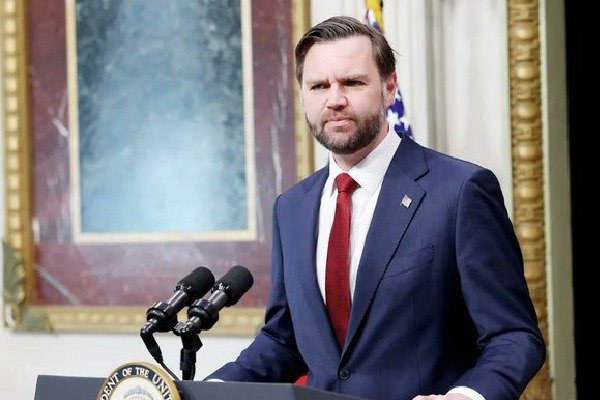
US Vice President JD Vance has delivered a pointed warning to Iranian negotiators, stressing that the United States expects sincerity and transparency in upcoming discussions. Speaking to reporters before departing Washington, Vance made it clear that while the US is open to dialogue, any attempt by Iran to manipulate or mislead during negotiations would be met with resistance.
He emphasized that the US is prepared to “extend an open hand” if Iran demonstrates genuine willingness to engage constructively. However, he cautioned that if Iranian representatives attempt to “play” the US, the American negotiating team would respond firmly and would not remain receptive to such tactics. His remarks underline a cautious but open diplomatic stance, balancing willingness for engagement with a firm insistence on credibility and trust.
Expectations of Progress in Islamabad Talks
Despite the warning, Vance expressed optimism about the upcoming negotiations with Iran, which are scheduled to take place in Islamabad. He stated that he is looking forward to the discussions and expects them to yield positive outcomes, signaling hope for progress in relations that have long been marked by tension and mistrust.
Vance also revealed that Donald Trump has provided him with clear guidance ahead of the talks. While he did not disclose specific details, the statement suggests that the US delegation will approach negotiations with a defined strategy and firm objectives. The involvement of high-level leadership indicates the importance Washington places on these discussions and the potential implications for regional stability.
Diplomatic Stakes and Regional Implications
The upcoming talks carry significant geopolitical weight, particularly as relations between the US and Iran remain complex and often strained. Key issues are expected to include security concerns, regional influence, and broader diplomatic engagement. Hosting the talks in Pakistan also highlights Pakistan’s role as a facilitator in sensitive international dialogues.
Vance’s dual message—combining caution with optimism—reflects a broader US strategy aimed at testing Iran’s intentions while leaving room for constructive outcomes. The success or failure of these negotiations could influence not only bilateral relations but also the wider balance of power and stability in the region.
As both sides prepare to meet, the tone set by US leadership suggests that while diplomacy remains possible, it will depend heavily on mutual trust and adherence to good-faith engagement.

