

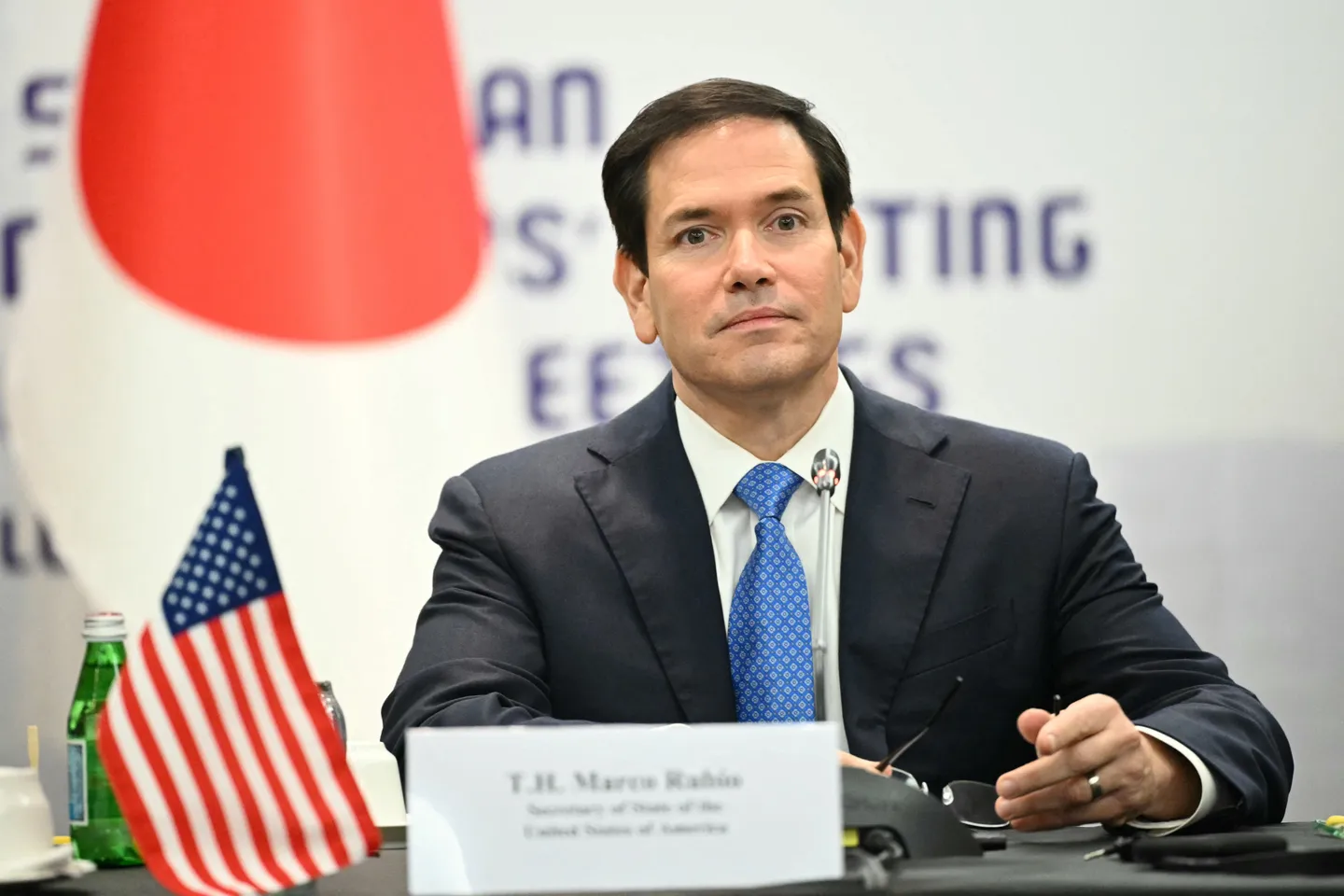

The United States has issued a strong warning to countries considering recognition of a Palestinian state, saying such a move could escalate tensions and complicate ongoing efforts toward peace.
Speaking during his official visit to Ecuador, US Secretary of State Marco Rubio stressed that unilateral recognition of Palestinian statehood would not contribute to resolving the conflict but instead deepen instability in the region.
Washington’s Concerns Over Recognition Moves
Rubio explained that Washington had already communicated its stance to several governments. According to him, the recognition of Palestinian statehood without a negotiated settlement would be symbolic rather than substantive.
“We told all these countries that recognition of this kind is not real and will only create problems,” Rubio said. He further emphasized that such actions could provoke strong reactions, making it harder to establish a ceasefire.
Possible Repercussions in the Middle East
The US official warned that recognition moves could lead to retaliatory actions or at least attempted escalations, undermining fragile efforts to reduce violence. He argued that the timing of such recognition could worsen regional divisions instead of promoting dialogue between Israel and Palestine.
Although Rubio refrained from commenting directly on Israel’s internal discussions regarding the annexation of the West Bank, he noted that no final decisions had yet been made. Still, he implied that premature recognition could complicate matters further.
Broader Context of the Israel-Palestine Conflict
The debate over Palestinian statehood remains one of the most contentious issues in international diplomacy. Several countries have either recognized Palestine or signaled their intention to do so, while others remain cautious due to fears of destabilizing negotiations.
The US has consistently maintained that Palestinian statehood must emerge through direct negotiations between Israel and the Palestinians, not through unilateral recognition. Rubio’s comments reaffirm Washington’s longstanding position that lasting peace requires compromise and dialogue rather than symbolic gestures.
International Reactions and Challenges Ahead
As calls for Palestinian recognition grow louder in some parts of the world, critics argue that the absence of a genuine peace process has left many nations impatient. However, supporters of Washington’s position contend that recognition without agreements on borders, security, and governance risks creating a state without stability.
Diplomatic experts also warn that recognition could fuel political tensions within Israel and Palestine, hardening stances instead of fostering trust. In such a volatile environment, symbolic recognition might unintentionally prolong the conflict rather than resolve it.
