


Bilateral Talks
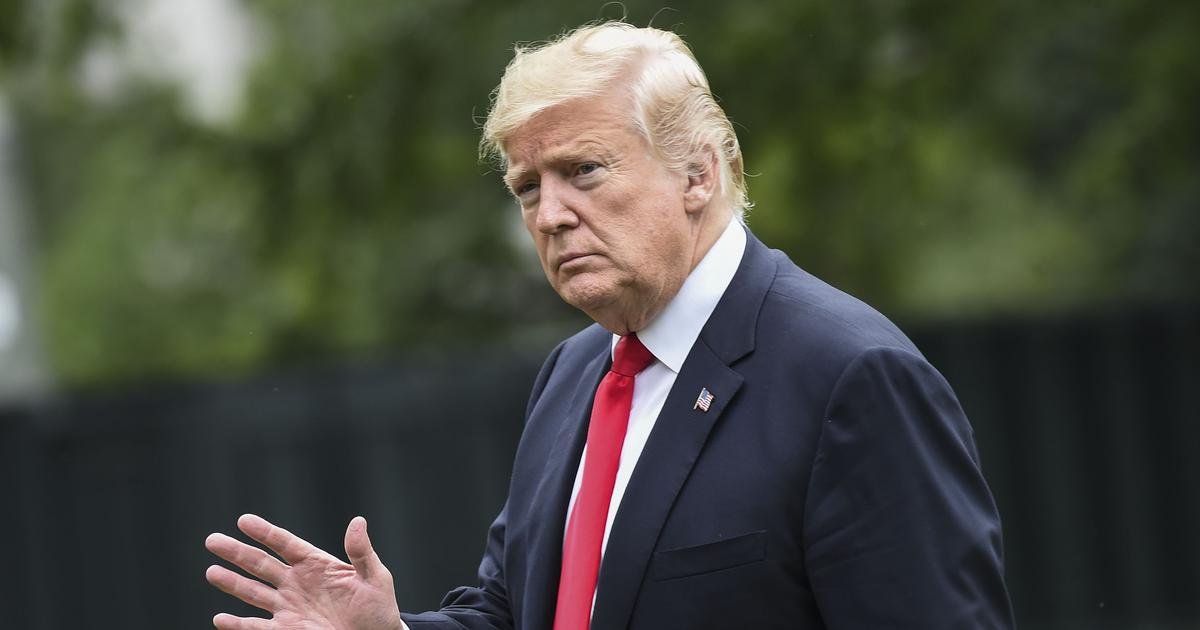
WASHINGTON: In a statement following US President Donald Trump’s remarks at the Saudi-US investment forum in Riyadh, the United States has reaffirmed its commitment to encouraging direct communication between India and Pakistan.
Hours after Trump’s call for both nations to “go out to dinner” to resolve their long-standing disputes, the US State Department echoed the President’s sentiment by emphasizing the importance of fostering dialogue between the two nuclear-armed neighbors.
At the forum, President Trump recounted his role in facilitating a ceasefire between India and Pakistan, highlighting that this breakthrough should be seen as an opportunity to build lasting peace. He humorously suggested to his Secretary of State, Marco Rubio, that a “nice dinner” between the leaders of India and Pakistan could pave the way for further resolution.
However, he did not elaborate on which Indian or Pakistani leaders he had spoken to or when these conversations took place. Trump’s comments were lighthearted but underscored a deeper hope for a shift toward peace.
The US State Department’s Principal Deputy Spokesperson, Tommy Piggott, confirmed that the United States welcomed the ceasefire achieved between the two countries and commended both Prime Ministers for their decisions to pursue peace.
Piggott emphasized that Washington’s primary focus was now on encouraging direct communication between Pakistan and India, noting that the US government was committed to supporting dialogue without taking sides in the longstanding conflict.
He pointed out that while the US had no comment on specific allegations—such as those concerning Pakistan’s alleged involvement in terrorism—Washington remained steadfast in its position of promoting peaceful engagement.
Regarding the US’s role in the peace process, Piggott refrained from commenting directly on India’s refusal to accept the US as a mediator but reiterated that the US continued to urge both countries to engage in direct talks.
He avoided speculation about whether Indian Prime Minister Narendra Modi’s stance was disappointing to Washington, focusing instead on the positive step represented by the ceasefire.
In addition to discussing the potential for dialogue, Piggott was asked about the reports of radiation leaks from secure nuclear facilities in Pakistan. However, he refrained from commenting on whether the US had sent a team to investigate these concerns.
When asked whether President Trump would deserve the Nobel Peace Prize if he successfully helped resolve the Kashmir dispute, Piggott praised the President’s consistent commitment to peace and negotiation, pointing out that Trump had repeatedly shown his dedication to resolving conflicts wherever possible.
The spokesperson concluded by affirming that the US would remain focused on supporting the ceasefire and encouraging direct communication between India and Pakistan, marking it as the cornerstone of US efforts in the region.
This continued push for dialogue comes amidst heightened tensions between the two countries, but the US’s stance represents a hopeful step toward peace and diplomacy in South Asia.
