

Deadly strikes threaten fragile US-Iran ceasefire
WASHINGTON: The United States will host talks between Israel and Lebanon next week, a State Department official confirmed, as rising violence fuels concerns over the stability of the US-Iran ceasefire.
The announcement followed Israel’s heaviest bombardment of Lebanon since early March, which killed more than 300 people and injured over 1,100, according to Lebanese authorities. Notably, the strikes occurred less than 48 hours after a US-Iran truce came into effect, raising fears that the agreement could collapse.
Meanwhile, Israeli Prime Minister Benjamin Netanyahu instructed his ministers to pursue direct negotiations with Lebanon, focusing on Hezbollah’s disarmament. However, a Lebanese government official stated that Beirut would only consider talks after a ceasefire is established.
In addition, Hezbollah rejected the idea of direct negotiations, while clashes continued in southern Lebanon. Israel’s military leadership claimed the group suffered significant losses during recent operations.
Global concern grows as regional tensions intensify
At the same time, international leaders expressed alarm over the escalating situation. Countries including Germany, France, and the United Kingdom urged restraint, warning that continued violence could derail broader peace efforts.
Furthermore, Iran emphasized that Lebanon remains closely tied to the ceasefire framework. Iranian officials criticized Israel’s actions, arguing that ongoing strikes undermine diplomatic progress. Nevertheless, Israeli officials maintained that operations against Hezbollah fall outside the scope of the truce.
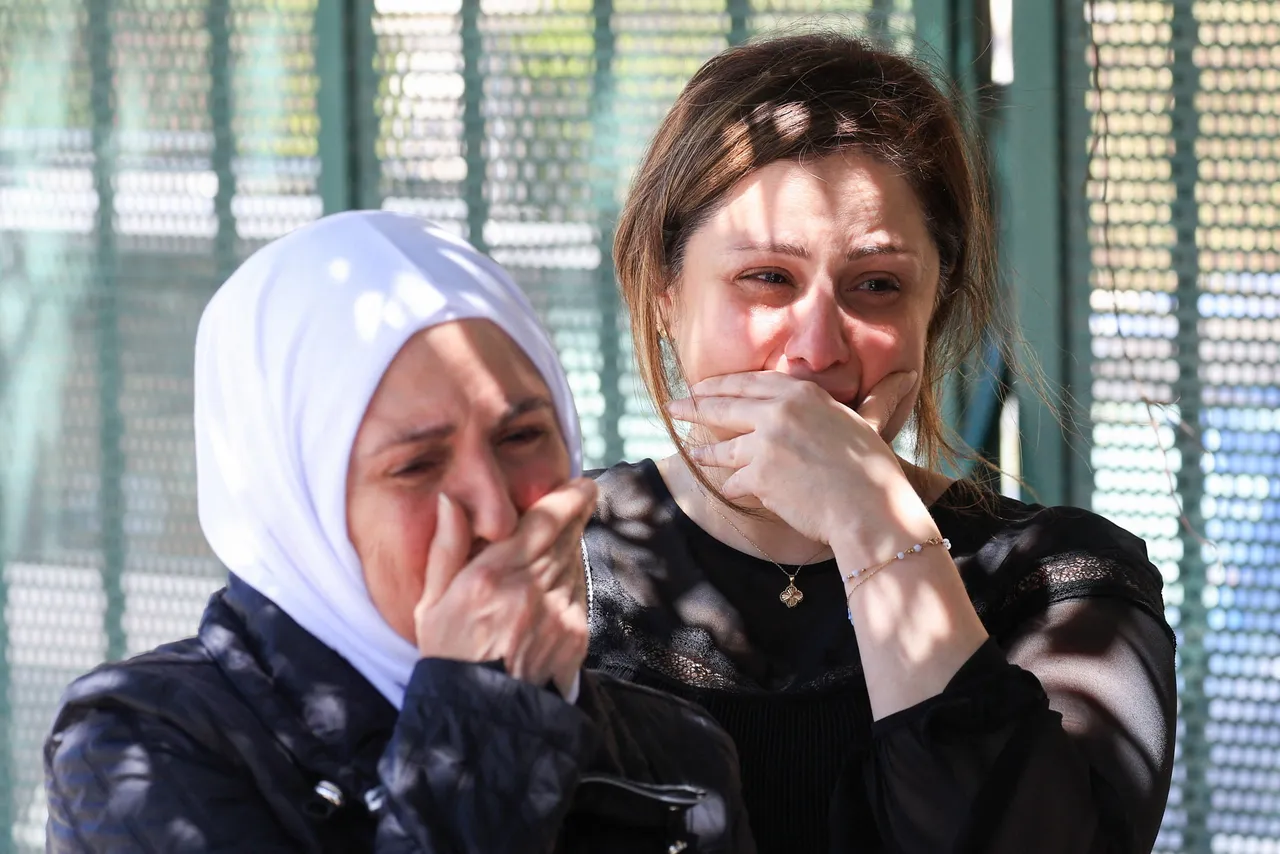
On the ground, humanitarian concerns deepened as rescue teams searched for victims trapped under rubble. Residents in Beirut questioned the scale of the attacks, highlighting civilian suffering.
Looking ahead, the planned talks aim to ease tensions; however, continued hostilities and political divisions present significant challenges to achieving lasting peace.

