

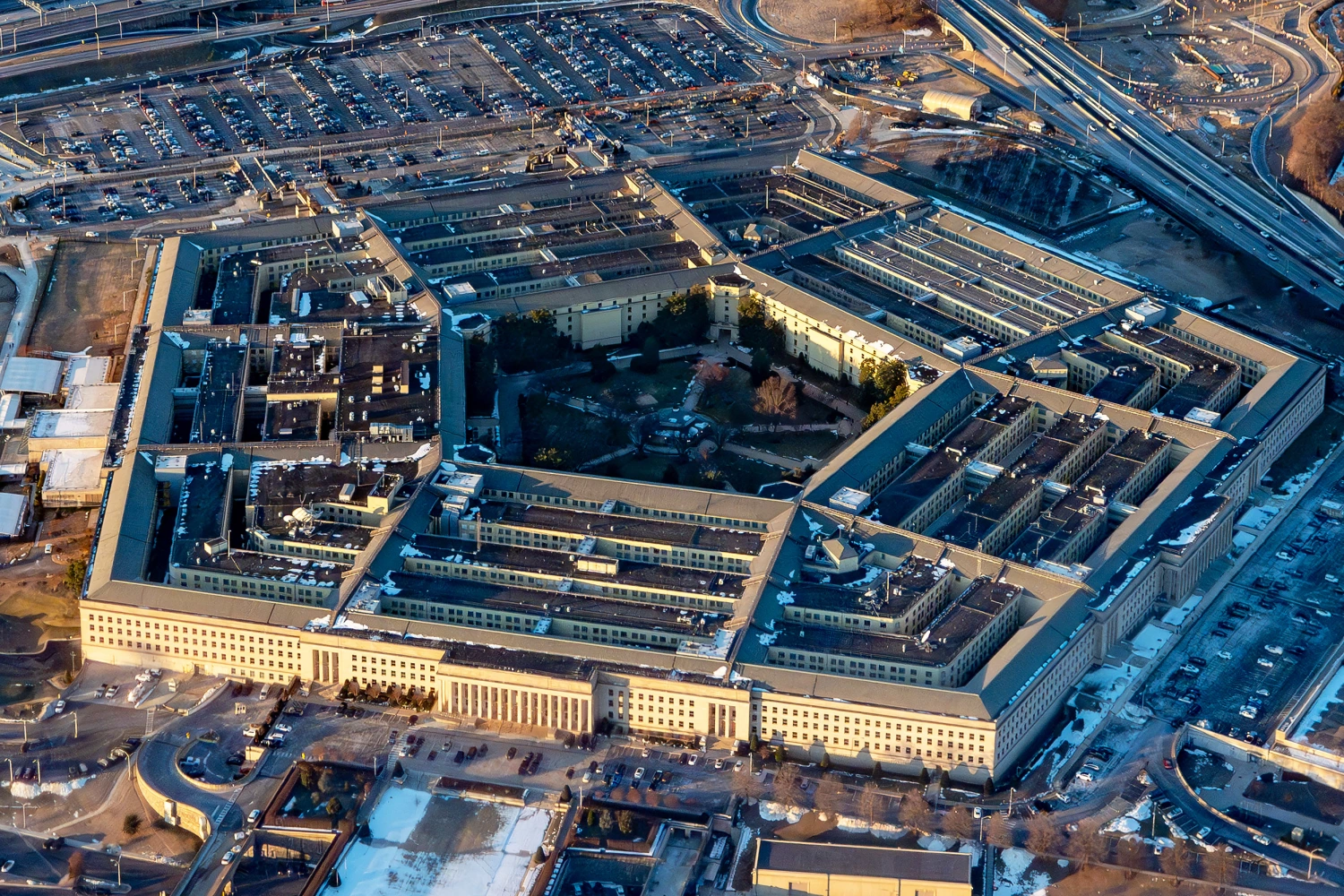

The United States has officially shifted its military priorities, no longer viewing China as its top strategic threat, according to the Pentagon’s newly released 2026 National Defence Strategy.
The quadrennial report marks a major realignment in U.S. defence policy. While China had previously been identified as the primary concern in the 2022 strategy, it is now ranked second. Instead, the U.S. military will prioritize defending the homeland and safeguarding interests across the Western Hemisphere.
The strategy emphasizes upholding the Monroe Doctrine, a centuries-old policy asserting that the U.S. sphere of influence extends throughout the Americas. The Pentagon cites securing unrestricted commercial and military access from the Arctic to South America as a key objective, highlighting critical areas including Greenland, the Panama Canal, and the Gulf of America.
The document underscores the importance of allied burden-sharing, calling on partners in Canada, Europe, and Mexico to take on greater military responsibilities. “We are not pursuing an isolationist agenda,” the Pentagon states, while reiterating its commitment to a robust defence posture.
China remains a significant concern, but the report frames it as the second priority. The strategy also identifies the need to rebuild the U.S. defence industrial base as another major objective.
Russia, by contrast, receives only brief mention. The document notes that U.S. forces are prepared to defend the homeland against Russian threats, but offers minimal guidance on broader engagement with Moscow, signaling a relative deprioritization of European contingencies even amid the ongoing war in Ukraine.
Analysts see the 2026 strategy as a reflection of shifting global realities, including increased security concerns in the Western Hemisphere and a focus on regional infrastructure and maritime access. The document suggests the U.S. intends to rely more on alliances while concentrating resources closer to home, marking a significant departure from recent decades of Asia-centric strategic planning.
This repositioning signals a recalibration of U.S. global defence priorities in the coming years.
