
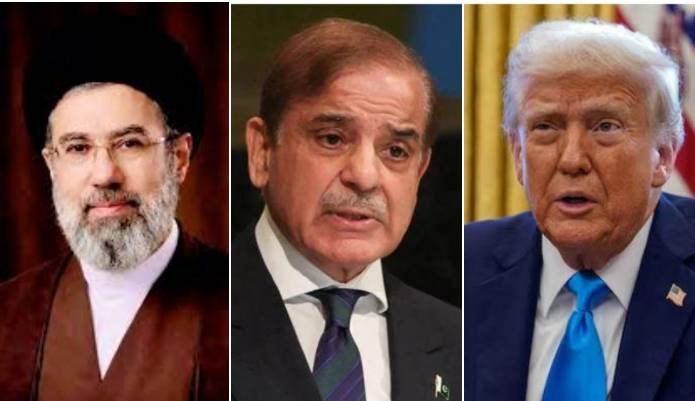

Pakistan’s diplomatic outreach appears to be contributing to tentative progress in efforts to end the ongoing Middle East conflict, as the United States has reportedly shared a comprehensive 15-point proposal with Iran aimed at halting hostilities.
According to media reports, the plan calls on Tehran to stop uranium enrichment and dismantle key nuclear facilities in Natanz, Isfahan and Fordow. In addition, it urges Iran to cease support for regional proxy groups and agree to a free maritime zone in the Strait of Hormuz. Meanwhile, Israeli media indicated that Washington is pushing for a temporary one-month ceasefire to facilitate negotiations.
On the other hand, Iranian officials have outlined six conditions for a ceasefire. These include guarantees against renewed hostilities, a complete end to regional conflict, closure of US military bases, and compensation for damages. Tehran has also demanded a rollback of US and Israeli influence and a new legal framework governing the Strait of Hormuz, along with action against what it calls anti-Iran media operations.
Despite these developments, the White House signalled that military operations remain ongoing. Spokeswoman Caroline Lutet said that while diplomacy is under consideration, operations to achieve military objectives continue.
Earlier, President Donald Trump confirmed that Washington is engaged in negotiations and expressed optimism about a possible resolution. He also linked recent positive signals to Iran’s decision to allow safe passage for “non-hostile” vessels through the Strait of Hormuz, a move later echoed in a message via the International Maritime Organization.
Consequently, global oil prices dropped by nearly six percent, reflecting cautious optimism in markets. However, sporadic violence persists, underscoring the fragile nature of the situation.
Prime Minister Shehbaz Sharif has offered to host talks, reinforcing Pakistan’s role in facilitating dialogue as both sides explore a potential diplomatic breakthrough.

