
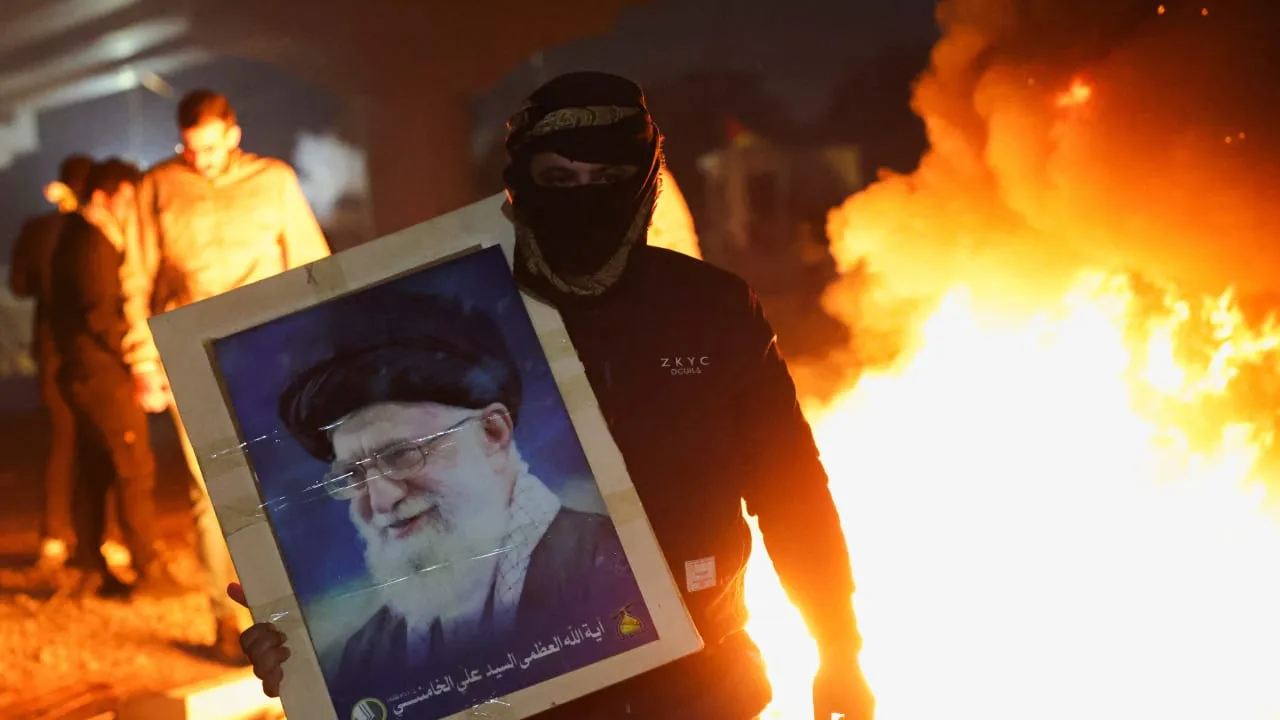

Intelligence Assessments Signal Leadership Continuity
Washington: Senior United States officials remain skeptical that the killing of Iran’s Supreme Leader Ayatollah Ali Khamenei will trigger regime change in the near term, despite ongoing US and Israeli military strikes. Although President Donald Trump previously signaled that toppling Iran’s ruling system formed part of Washington’s objectives, intelligence assessments suggest otherwise.
Before and after the operation began, Trump urged Iranians to “take back your country,” framing the moment as an opportunity for change. However, US intelligence agencies concluded weeks earlier that hard-line figures from the Islamic Revolutionary Guard Corps (IRGC) or conservative clerics could swiftly replace Khamenei if he were killed.
Moreover, officials familiar with internal deliberations said the IRGC’s vast patronage networks reduce the likelihood of defections. Notably, security forces showed no fractures during January’s nationwide protests, which authorities suppressed with force. Analysts believe meaningful defections would be essential for any successful uprising.
Debate Intensifies Over Strategic Fallout
Meanwhile, US agencies continue to debate how Khamenei’s death might affect Iran’s nuclear negotiations and military ambitions. While some officials argue leadership disruption could alter Tehran’s posture, others see little evidence of a fundamental policy shift.
On Sunday, Iranian President Masoud Pezeshkian announced that a temporary leadership council had assumed the Supreme Leader’s duties. At the same time, security chief Ali Larijani accused Washington and Tel Aviv of attempting to destabilize Iran and warned secessionist groups against action.
Although no US official fully ruled out government collapse, most described it as unlikely in the immediate term. In recent weeks, senior policymakers have also grown pessimistic about the opposition’s ability to consolidate control, even with external backing.
Consequently, officials expect the regime’s remaining power centers to retain control unless significant internal fractures emerge.

