

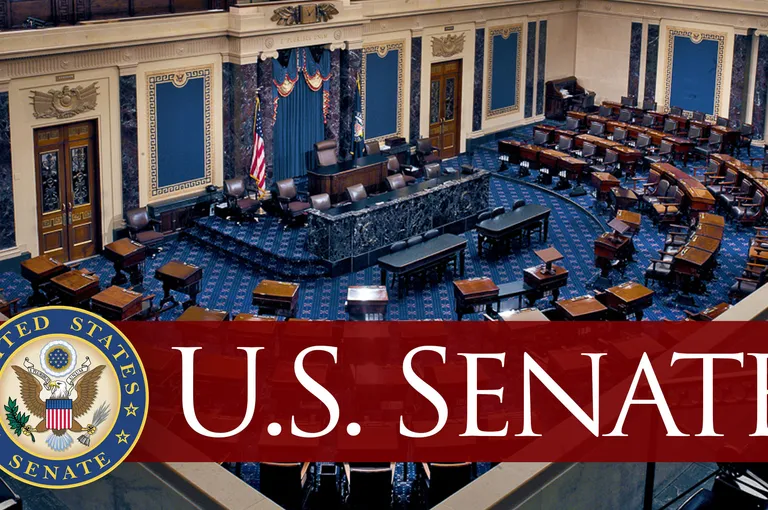

The US lawmakers introduced the Pakistan Freedom and Accountability Act (H.R. 5271). The legislation seeks sanctions on Pakistani officials accused of human rights violations and actions undermining democracy.
Republican Congressman Bill Huizenga and Democrat Sydney Kamlager-Dove co-led the bill, joined by a cross-party group of lawmakers.
Cosponsors include Republicans John Moolenaar, Jefferson Shreve, Rich McCormick, Jack Bergman, and Mike Lawler, alongside Democrats Julie Johnson and Joaquin Castro.
Sanctions Under Global Magnitsky Act
The bill authorizes the US President to impose sanctions using the Global Magnitsky Human Rights Accountability Act.
This law targets individuals involved in serious human rights abuses or corruption worldwide.
In this case, the sanctions would apply to current or former senior Pakistani officials from government, military, or security forces.
The legislation also reaffirms US support for free and fair elections in Pakistan.
Additionally, it stresses the importance of democratic institutions, rule of law, and protection of human rights.
Link to Earlier Resolution
The new bill builds on House Resolution 901, passed in June 2024 with strong bipartisan backing.
That resolution called for free elections, protection of human rights, and safeguarding freedom of speech in Pakistan.
It also urged the US administration to engage constructively with Pakistan’s government to strengthen democratic values.
Lawmakers Stress Democratic Values
Congressman Huizenga stated the US would not ignore abuses committed or excused by Pakistani officials.
He stressed that accountability is essential to protect Pakistan’s people and their democratic process.
Kamlager-Dove said democracy and human rights remain pillars of US foreign policy.
She emphasized that the US must confront global threats to democracy and hold violators accountable.
Democrat Julie Johnson added that consequences must follow when officials attack free elections or commit abuses.
Role of Pakistani-American Diaspora
Pakistani-American advocacy groups played a crucial role in shaping the bill.
Former Pakistan-American Public Affairs Committee president Asad Malik said the law empowers Pakistanis against democracy violators.
Dr Malik Usman of First Pakistan Global described the bill as a landmark step.
He highlighted that diaspora advocacy reflects solidarity with 250 million Pakistanis seeking democracy and release of political prisoners, including Imran Khan.
