
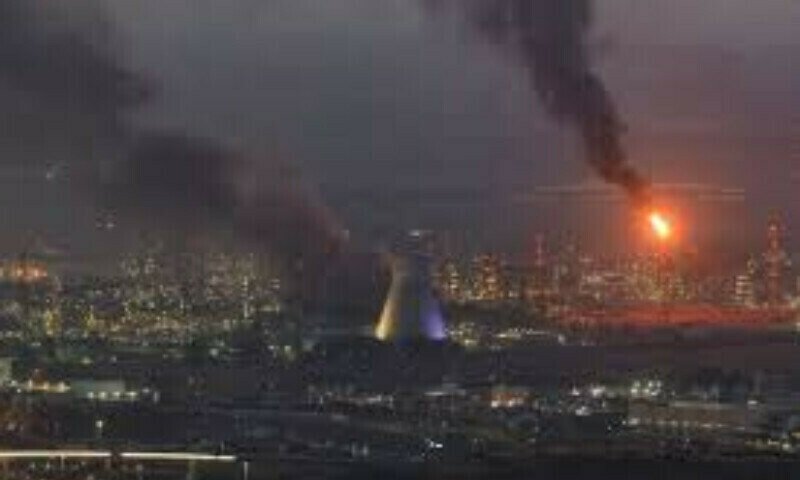

The war between the US and Israel against Iran is now in a critical phase as the 17th day of war is approaching on Monday. The restricted movement in the Strait of Hormuz and the ground offensive by Israel in southern Lebanon have ended any hopes for a quick solution to this war.
What was thought to be a quick coercive war by the US and Israel to achieve a regime change in Iran is now being viewed as a strategic blunder by the US. Analysts now believe that despite possessing overwhelming military power, the US has not been able to restore pre-war order.
Trump’s Diplomatic Push Yields Little
US President Donald Trump has pressed allies, including NATO members and Asian economies dependent on Gulf oil, to provide warships, escorts, or minesweepers to reopen the strait. Washington argues that Hormuz is a global economic lifeline and its closure cannot continue.
However, the diplomatic effort has produced minimal results. European capitals, facing interceptor shortages and domestic political concerns, have shown reluctance. Switzerland even denied overflight clearance. Meanwhile, a Terminal High Altitude Area Defense battery was withdrawn from the region, and China has increased military activity around Taiwan.
Insurance costs for tanker transits through Hormuz have surged more than fivefold, many insurers have stopped coverage, and freight rates for supertankers have skyrocketed after Iran struck 18 vessels in and around the strait. Yet Iran has selectively allowed some ships, particularly those linked to India, Turkey, and China, to pass.
Lebanon Theatre Expands
Israel has started a major ground offensive in southern Lebanon, along with the largest buildup of Israeli reservists in Israeli history. The objective is to contain Hezbollah forces and eliminate any threats to Israeli communities in the north. The initial information indicates that Hezbollah forces are using tunnels, anti-tank positions, and village defenses, as well as continuing rocket attacks into Israeli territory.
Tehran Seeks Sustained Attrition
Iran is coordinating a multi-front campaign. Hezbollah ties down Israeli forces while Iranian missile strikes and allied militia attacks target US positions in Iraq and the Gulf. Tehran appears focused on sustained attrition rather than dramatic escalation.
Washington’s Dilemma
However, oil prices are rising again beyond $100 per barrel, and Gulf economies may contract unless Hormuz is reopened quickly. Opening it by force may invite even greater conflict, but letting Iran control it undermines American influence in the region. Moreover, American intervention in Lebanon with Israel takes military strength away from confronting Iran.
Coming weeks will tell whether America can gain momentum again in this conflict, or it will drag on for a long time.

