

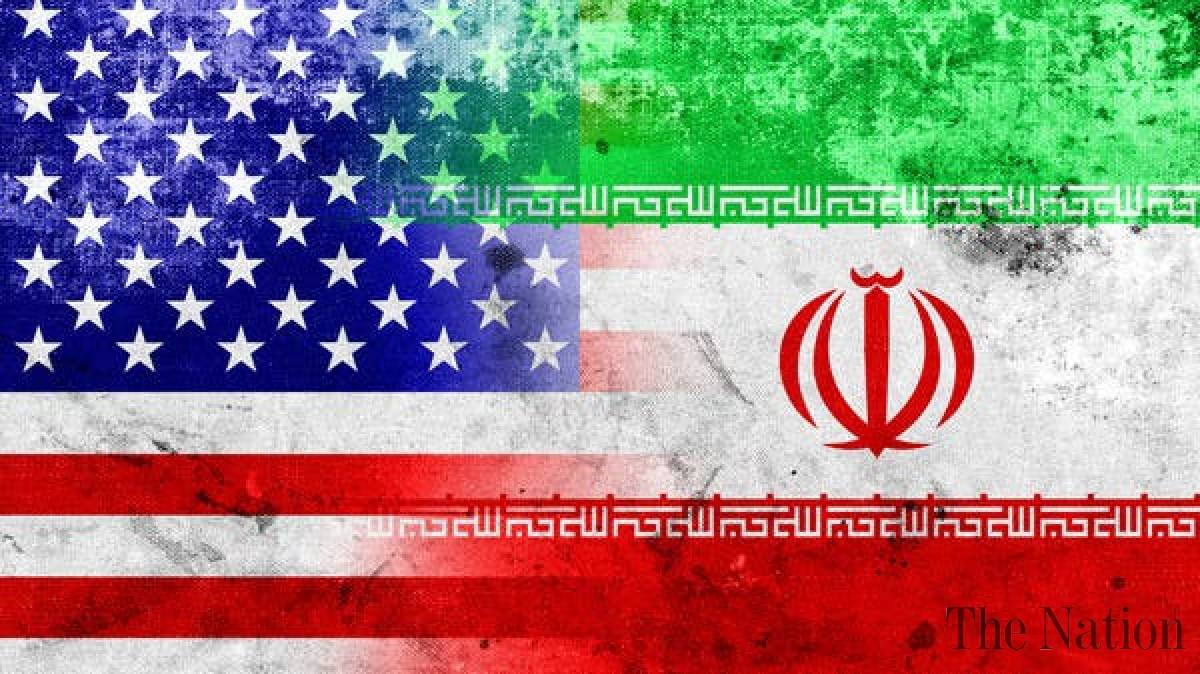

Fresh Diplomatic Push to Resolve Decades-Long Nuclear Dispute
US and Iran are set to resume nuclear talks in Geneva on Thursday. The negotiations come amid rising military tensions in middle east. Both sides aim to resolve their decade long dispute over Tehran’s nuclear program.
The latest round of discussions follows renewed diplomatic engagement earlier this month. Washington and Tehran hope to prevent further escalation. The talks are taking place against the backdrop of a significant US military buildup in the region.
The United States, along with Western allies and Israel, believes Iran’s nuclear program could be aimed at building nuclear weapons. Tehran has repeatedly denied these claims. Iranian officials insist their nuclear activities are for peaceful energy purposes.
The indirect talks will include US Special Envoy Steve Witkoff and Jared Kushner, son-in-law of Donald Trump. Iran will be represented by Foreign Minister Abbas Araqchi. The discussions will be mediated by Badr Albusaidi.
The Geneva meeting follows earlier discussions held last week. Diplomats are seeking a framework that could ease sanctions and reduce the risk of military confrontation.
US Signals Military Option While Pushing Diplomacy
President Donald Trump recently addressed the issue in his State of the Union speech. He said he prefers diplomacy but will not allow Iran to acquire a nuclear weapon. He warned that failure to reach a deal could lead to serious consequences.
Vice President JD Vance reinforced that message in a Fox News interview. He stated that preventing Iran from obtaining nuclear weapons remains the ultimate objective. He added that military action remains an option if diplomacy fails.
The United States has assembled a large military presence in the Middle East. The United States Navy has deployed the Nimitz-class aircraft carrier USS Abraham Lincoln and its strike group to the Arabian Sea. The deployment has raised fears of a broader regional conflict.
Last June, the US joined Israel in striking Iranian nuclear sites. Iran responded with threats of strong retaliation if attacked again. Tensions have remained high since then.
Trump also said on February 19 that Iran has 10 to 15 days to make a deal. He warned that “really bad things” would happen if no agreement is reached.
Internal and External Pressure on Tehran
Foreign Minister Abbas Araqchi said Iran seeks a fair and swift agreement. However, he stressed that Iran will not give up its right to peaceful nuclear technology. Washington views uranium enrichment inside Iran as a potential path to weapons development.
Reports indicate Tehran may be offering new concessions. In return, Iran wants sanctions relief and recognition of its right to enrich uranium. However, major disagreements remain over the scope and timing of lifting US sanctions.
Inside Iran, pressure is mounting. Ali Khamenei faces economic challenges linked to tightened sanctions. The country has also experienced renewed protests following unrest earlier this year.
The head of the International Atomic Energy Agency, Rafael Grossi, is also expected in Geneva. He plans to hold talks with both delegations, as he did during previous discussions.
The Geneva talks are seen as a critical moment. Diplomats hope to avoid another military clash. The outcome could shape Middle East stability and global nuclear policy in the months ahead.
