

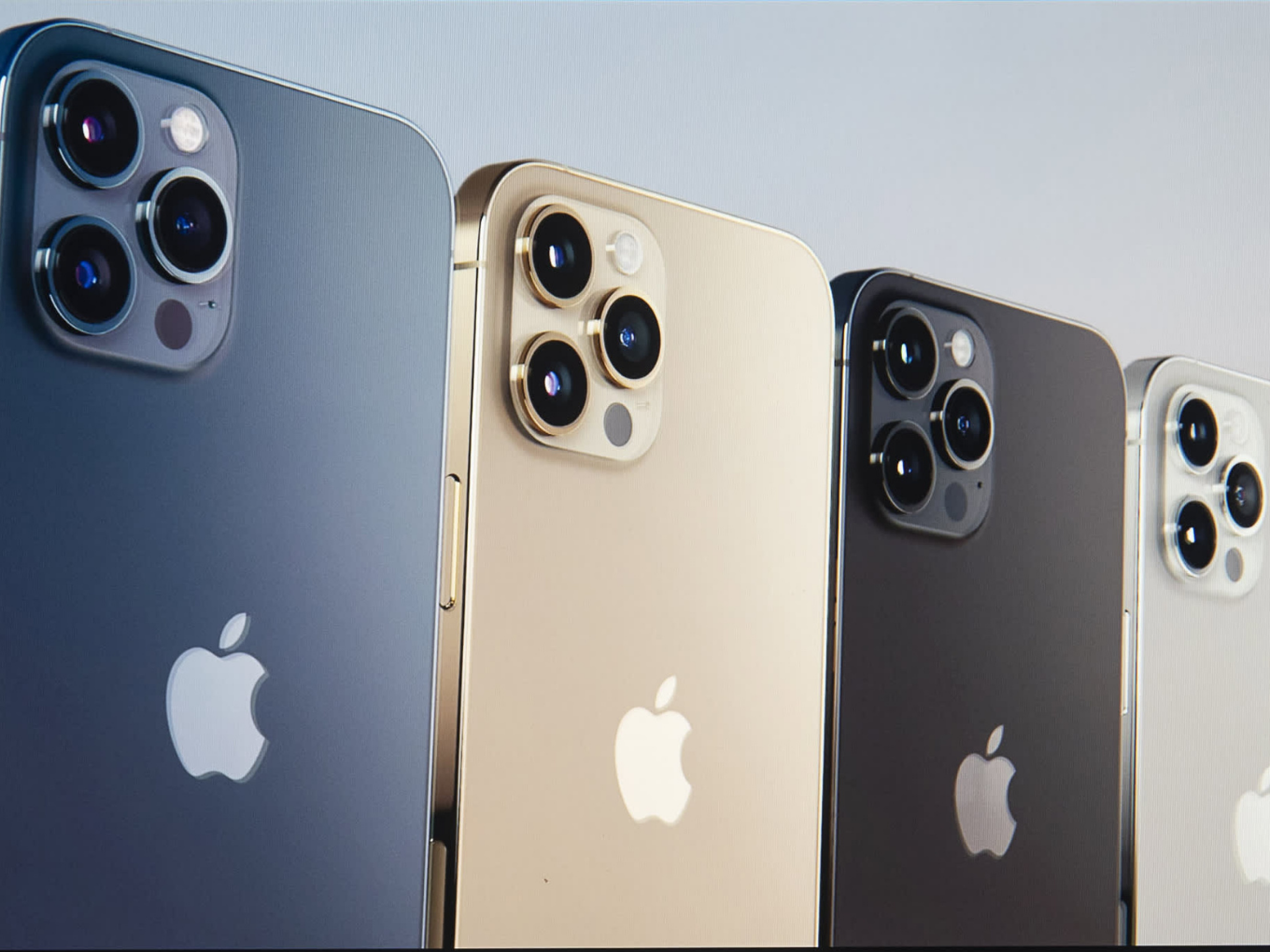

The Trump administration has excluded smartphones, computers, and other popular electronic devices from its steep “reciprocal” tariffs, easing potential cost burdens for American consumers.
The exemptions were quietly announced in a notice from the U.S. Customs and Border Protection office late Friday. They apply to a wide range of electronic products and components imported from China, which had been facing an additional tariff rate of up to 145%.
Semiconductors are also now excluded from the baseline 10% tariff imposed on most U.S. trading partners, as well as the recently introduced 125% surcharge specifically targeting Chinese imports.
These carve-outs significantly narrow the scope of tariffs unveiled by President Donald Trump earlier this month. The latest measures aimed to penalize what Washington describes as unfair trade practices by Beijing, with a new 125% tariff on Chinese goods coming into effect this week.
This new rate builds on a previous 20% tariff imposed over China’s alleged role in supplying fentanyl, along with other long-standing tariffs. For many tech products, the total levies from various rounds now exceed 145%.
Many of the exempted items, including hard drives and computer processors, are not manufactured domestically — highlighting the challenge in reshoring production. Although Trump has promoted tariffs as a tool to boost U.S. manufacturing, analysts say it could take years before meaningful shifts in domestic production capacity are realized.
