

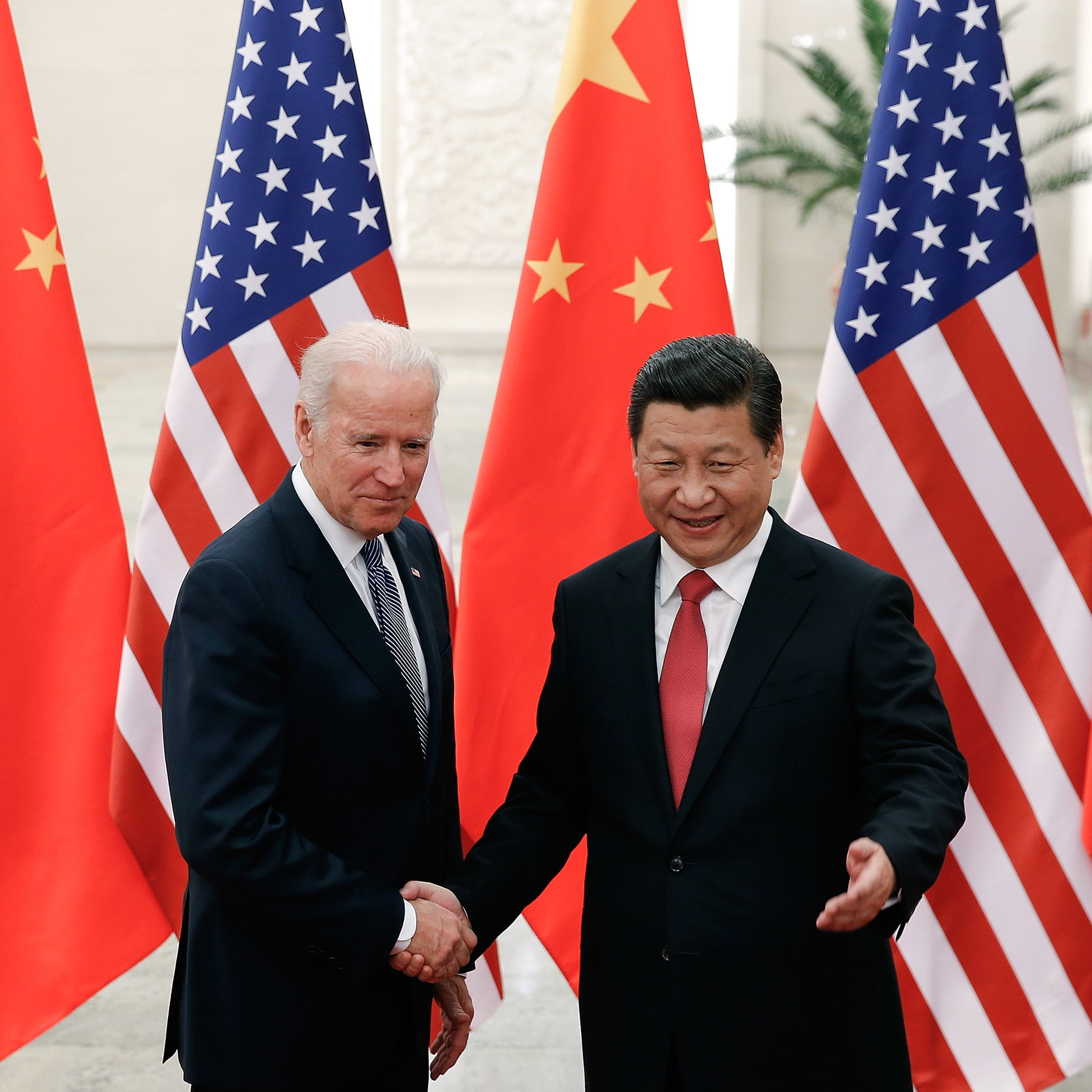

The United States has increased its defense budget to $777 billion this week after its key focus on tiff with China. Biden administration has pulled the last American troops out of Afghanistan as part of his promise to end the country’s “forever wars“, but the US Congress has approved five percent increase in national defense budget, to $777.7 billion.
Importantly, the Senate overwhelmingly passed the budget legislation a day earlier with 89-10 vote, following the US House of Representatives, which approved the legislation last week.
While the measure was welcomed by leading members of the Democratic and Republican parties as a bipartisan achievement, progressive legislators and advocacy groups are questioning the budget’s enormous price tag – and criticising policymakers who have justified it by pointing to intensifying competition with China.
“For the last 20 years, we heard that the terrorist threat justified an ever-expanding budget for the Pentagon,” said Stephen Miles, executive director of Win Without War, a Washington, DC-based group that advocates for a more progressive American foreign policy.
Meanwhile, several US legislators cited countering China as a top priority in the defence budget, formally known as the National Defense Authorization Act (NDAA).
Congresswoman Elaine Luria, a conservative Democrat, said on Twitter that the legislation “makes critical investments in our national defense, and takes important steps to counter the threat of a rising China”.
In some cases, the push to focus on China took a more alarmist tone. “The threat that the Chinese military poses is not a distant threat; it’s not something that might happen in 2030, 2035 or some time in the future,” top Republican Senator Jim Inhofe said in April, warning against cuts to defence spending. “It’s a problem we face today. Right now. It only gets worse over time,” he said.
Ties between Beijing and Washington have soured amid numerous points of tension in recent years, including a trade war during Donald Trump’s presidency and an ongoing US push against growing Chinese influence in the Indo-Pacific region.
The Chinese government has slammed US relations with Taiwan, an autonomous island that China considers its own, and rebuked Washington’s attempts to deepen alliances with its neighbours, including a recent effort to supply Australia with nuclear-powered submarines.
