

Trump Team Eyes Ground Troops to Grab Iran’s Hidden Uranium Stockpile
The Trump White House is quietly looking at a bold – some say reckless – plan: send American ground troops into Iran to physically seize its stockpile of enriched uranium. Officials who talked to CNN say the material is buried deep in underground tunnels at the Isfahan nuclear complex. If President Donald Trump gives the go-ahead, this wouldn’t be a small special-forces raid. It could mean hundreds or thousands of regular U.S. soldiers on the ground.
The whole idea ties back to Washington’s core goal: make sure Iran never builds a nuclear bomb. But right now, the proposal sits in the high-risk category.
Why This Operation Would Be a Nightmare
Military people who’ve studied it don’t sugarcoat the dangers. Digging into fortified bunkers to grab radioactive stuff is hard enough. Doing it while Iranian troops shoot back makes it ten times worse. Soldiers would have to lock down the site, safely package highly radioactive material, and haul it out without losing people or letting the stuff leak. One wrong move, and it turns into a disaster – casualties, contamination, or both.
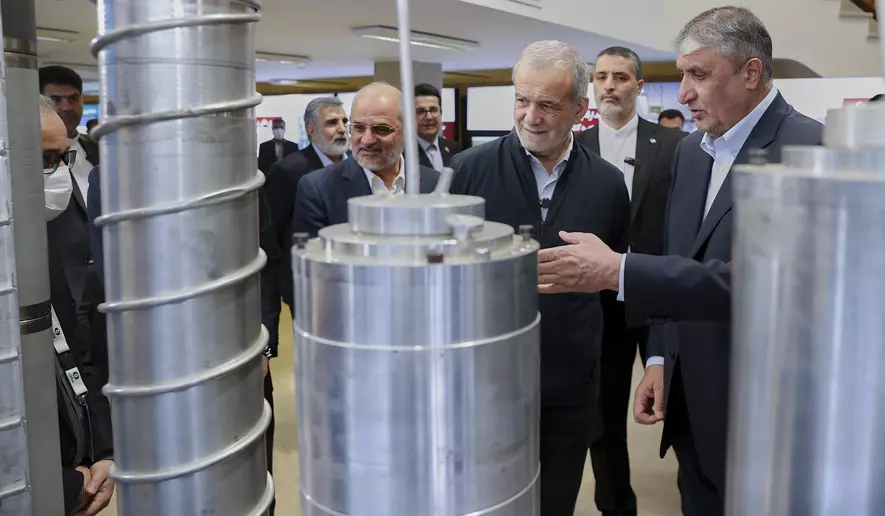
U.S. intelligence reckons about 200 kg of enriched uranium is still sitting at Isfahan. Iranian workers have been clearing out rubble from spots hit by American airstrikes last June. Some tunnels apparently stayed intact, which is why the ground option even got serious discussion.
Iran’s Enrichment Level Keeps Everyone on Edge
The International Atomic Energy Agency keeps watching closely. Iran has enriched uranium to around 60% purity – way past what’s needed for electricity but not quite at weapons-grade 90%. Tehran swears it’s all for peaceful power plants. Most Western experts aren’t buying that story. There’s also talk of more material possibly hidden at Natanz.
Trump has hammered the point repeatedly: Iran, in his words the “world’s leading sponsor of terror,” will never get a nuclear weapon on his watch. A ground raid to snatch the uranium would match that tough line perfectly. For the moment, though, it’s still just talk under review – no green light yet.

