

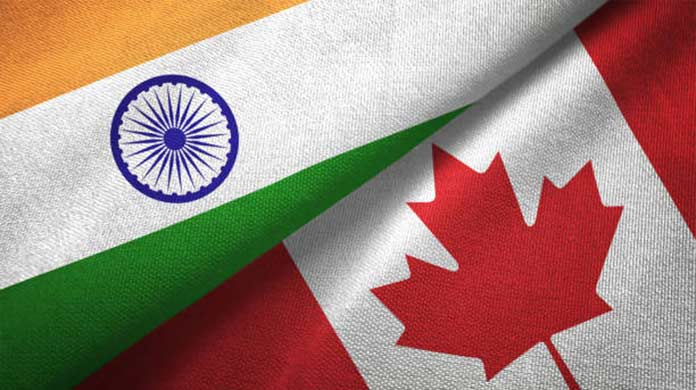

The United States and Britain have called on India not to demand that Canada reduce its diplomatic presence in India and expressed concerns after Canada withdrew 41 diplomats amid a dispute over the murder of a Sikh separatist.
The dispute arises from Canada’s allegations of Indian involvement in the June murder of Canadian citizen and Sikh separatist leader Hardeep Singh Nijjar in a Vancouver suburb. India has referred to Nijjar as a “terrorist” and denies the allegations.
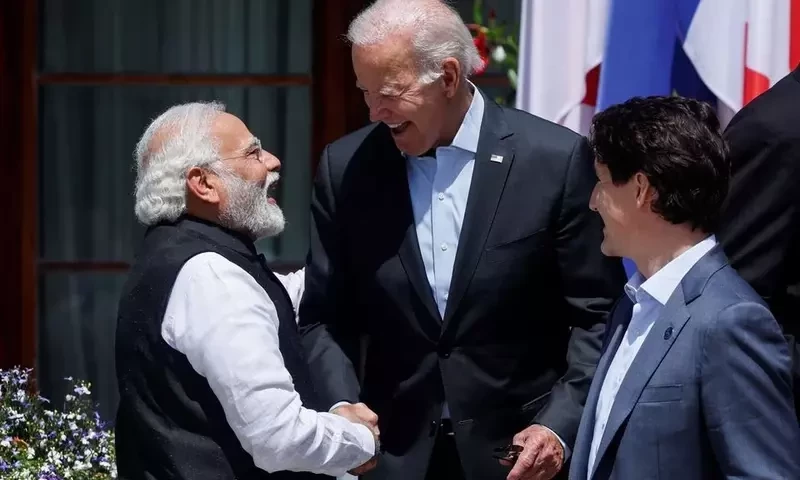
US State Department spokesperson Matthew Miller expressed concern about the departure of Canadian diplomats from India in response to India’s demand for Canada to significantly reduce its diplomatic presence in the country.
The United States has taken Canada’s allegations seriously and, along with the United Kingdom, has urged India to cooperate with Canada in the murder investigation. However, Western powers have been cautious about openly condemning India, as they view India as a counterbalance to their main Asian rival, China.
The statements from the US State Department and the UK’s Foreign Office represent the most direct criticism by Washington and London of New Delhi in this case so far.
Canada withdrew its diplomats from India after India requested a reduction in Canada’s diplomatic presence due to Canada’s allegations regarding Nijjar’s killing. Canada also temporarily suspended in-person operations at consulates in several Indian cities and warned of visa processing delays.
The US State Department and Britain’s Foreign Office cited the 1961 Vienna Convention on Diplomatic Relations, emphasizing the need for diplomatic presence to resolve differences and expressing concern over the unilateral removal of privileges and immunities meant to safeguard diplomats’ safety and security.
