
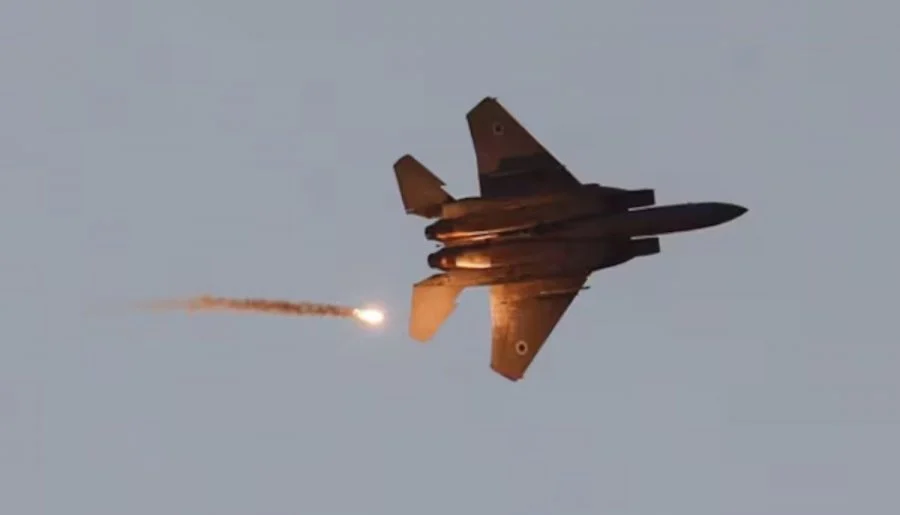

The United States acknowledged its first manned combat aircraft losses in the ongoing conflict with Iran, signaling a major shift in the aerial campaign and raising questions about the effectiveness of Iranian air defenses.
The most significant incident occurred over southwestern Iran, where an F-15E Strike Eagle was intercepted and shot down by the Islamic Revolutionary Guard Corps. US officials later confirmed that both crew members ejected safely. Subsequently, special operations forces carried out a high-risk rescue mission and recovered one crew member, who is now receiving medical treatment at an undisclosed location.
However, the second crew member remains unaccounted for, intensifying tensions. Iranian state media aired images of the wreckage and reported efforts to locate the missing airman, further escalating the situation.
Meanwhile, a second incident unfolded near the Strait of Hormuz, where an A-10 Thunderbolt II crashed into the Gulf. Reports indicated the aircraft was supporting search-and-rescue operations when it came under Iranian fire. The pilot was successfully rescued by a US Navy team.
As a result, the loss of two aircraft within a single day has heightened concerns within military circles and underscored the risks facing US forces in the region.
Furthermore, intense rescue operations highlighted the urgency of the situation. Footage circulating online showed US aircraft, including HH-60 Pave Hawk and MH-60 Black Hawk helicopters, flying at extremely low altitudes to avoid detection while searching for personnel.
Overall, the incidents challenge earlier claims that Iran’s military capabilities had been significantly weakened and suggest the conflict may be entering a more dangerous phase.

